When I first started in the quartz flooring supply business over a decade ago, I lost count of how many times I got asked the same question by homeowners, contractors, and even other flooring suppliers: “How long does quartz flooring actually last?” At the time, I’d always give a rough estimate—15 to 25 years, maybe?—but I’d always feel like I was guessing a little. Back then, we were still learning how different manufacturing processes, installation methods, and even daily use patterns shaped a quartz floor’s lifespan. Over the years, we’ve installed thousands of square feet of quartz flooring in everything from residential kitchens to high-traffic retail spaces, clinics, and even school hallways. I’ve pulled up old project files, talked to our installers and technicians, and dug through industry research to finally give a clear, honest answer to that question. For anyone looking to invest in quartz flooring, this isn’t just marketing fluff—it’s the real-world data we’ve gathered from years of putting our products through the test of real life. Quartz Flooring
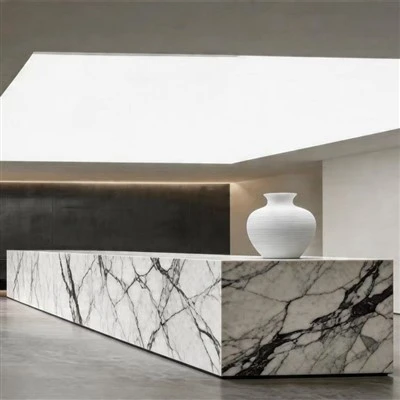
First, let’s get one thing straight: quartz flooring isn’t the same as natural quartz countertops, though they share the same core material. Most quartz flooring is a man-made composite, made by bonding crushed natural quartz (usually about 90-93% of the mix) with resins, pigments, and small amounts of binders. That blend is pressed under intense heat and pressure to create a solid, non-porous slab or tile. The quality of that mix is where a lot of the variation in lifespan starts. I’ve seen cheap, low-grade quartz flooring from overseas that starts to fade and chip after 5 years, and I’ve seen our mid-range residential line that’s going strong in a home outside Phoenix, installed in 2008, still looking almost exactly like the day it was put down. So that initial mix isn’t the only factor, but it’s the foundation.
Let’s break it down by use case, because that’s the biggest variable in how long a quartz floor lasts. For residential spaces—kitchens, bathrooms, living areas—our data shows that a properly installed, mid-to-high grade quartz flooring system will last anywhere from 20 to 30 years. Wait, that’s a wide range, right? Let me explain. The Phoenix home I mentioned is in a hot, dry climate, with a family of four, two dogs, and a kid who spills juice, drops cereal bowls, and drags heavy high chairs across the floor on a regular basis. Their floor has a tiny scratch near the fridge, some faint scuff marks from dog claws, but the color is still bright, no chips, no water damage, no signs of cracking. Compare that to a smaller project we did for a residential rental unit in Chicago, 2015. The landlord cut costs on installation, had a general contractor who didn’t level the subfloor properly, and the tenants moved in 6 months later with a dog that chewed on the baseboards and dragged furniture without using furniture sliders. That floor had a visible chip in the main walkway within a year, and by year 8, there were multiple deep scratches and discolored patches from cleaning products that shouldn’t have been used. That’s not a failure of the product—that’s a combination of poor installation and heavy, improper use.
Now, for commercial spaces—this is where I’ve seen the biggest range, and where people often ask me if quartz is worth the investment. For low-traffic commercial spaces, like a small doctor’s office, a local library, or a boutique retail store, that same quartz floor can last 15 to 25 years. But for high-traffic areas—think grocery store checkout lines, school hallways, office break rooms with foot traffic from hundreds of people a day, or gym lobbies—we see lifespan drop to 10 to 18 years. Wait, why? Because even though quartz is durable, it’s not indestructible. The constant pounding of shoes (especially work boots with steel toes, or cleats in gyms), the drag of heavy carts, accidental drops of heavy objects—all of that adds up. I’ll be honest: last year, we replaced a quartz floor in a major grocery chain location in Dallas that had only been down 12 years. The issue wasn’t the product itself; it was that the store updated its layout and added a new checkout lane that doubled the foot traffic in that area, plus the carts were being pulled too fast, and the corners of the tiles had chipped repeatedly because they weren’t sealed or reinforced. Now, that’s not to say quartz can’t handle commercial use—we have a school district in Austin that installed our quartz flooring in 2012 in their main hallways, and it’s holding up really well. The difference? We worked with the district to pick a thicker, high-density quartz tile, prepped the subfloor correctly, and we did annual walkthroughs to touch up grout lines and repair small chips before they got worse.
So, what are the factors that actually determine how long your quartz floor lasts? Let’s go through them one by one, because this is stuff every customer should know before they invest. First, manufacturing quality. Like I said earlier, quartz is mostly crushed stone, but the ratio matters. A high-quality quartz floor will have 90-93% quartz, with a resin that’s UV-resistant if it’s going to be in a sun-exposed area. Low-quality flooring often has less quartz, more resin, and cheaper pigments that fade after a few years in sunlight. I’ve tested samples from different suppliers here at our warehouse—some low-grade samples will fade 15-20% in color after 6 months of being under a UV lamp, while our top residential line has less than 2% color fade after 5 years of continuous exposure. That’s a huge difference, because a floor that fades unevenly will look old and worn long before it shows structural damage.
Second, installation. This is the single biggest factor most people overlook. I’ve seen a $10,000 quartz floor look terrible in 5 years because it was installed on an unlevel subfloor. If the subfloor has high spots or low spots, the tiles will crack when people walk on them, or grout lines will separate, or tiles will shift. We always recommend that our team does a full subfloor inspection before any installation—we check for levelness, moisture content (especially in basements or areas with high humidity), and any loose debris that could get under the tiles. We also use a premium adhesive that’s designed specifically for quartz, not generic tile adhesive. A contractor who skips that step to save time will cost you thousands in repairs down the line. Last year, a customer contacted us because their quartz floor had a tile that lifted up 18 months after installation. The general contractor they hired used adhesive for vinyl flooring, not quartz, and it didn’t bond correctly. We fixed that for them, but it was a reminder that installation isn’t something to cut corners on.
Third, maintenance and care. Quartz is non-porous, so it doesn’t stain like natural stone, but that doesn’t mean you can ignore it. The right cleaning products matter. Acidic cleaners, like vinegar or lemon-based solutions, can etch the surface of quartz over time, leaving dull spots. Abrasive cleaners, like scouring pads or steel wool, can scratch the surface, even though quartz is hard. Our recommended routine is to sweep or vacuum regularly to remove dirt and grit, which acts like sandpaper and scratches the floor, and mop with a pH-neutral cleaner, diluted with water. Also, using furniture pads on chairs, tables, and other heavy items prevents scratches when you move them, and using doormats at all exterior doors keeps dirt and sand from being tracked onto the floor. We’ve had customers who mop with just warm water and a pH-neutral cleaner every week, and their floor looks brand new after 10 years. We’ve also had customers who use bleach to clean spills, and their floor faded unevenly after 3 years. So maintenance is a big part of lifespan.
Now, let’s talk about when quartz flooring might need to be replaced, because no floor lasts forever. Most of the time, it’s not structural damage that requires replacement—it’s aesthetic. Scratches, chipped edges, faded color, or grout lines that are discolored or moldy. Structural issues like cracking or warping are rare, but they usually happen from poor installation, water damage (if the floor was installed in a high-moisture area without a vapor barrier), or extreme impact from something like a heavy object being dropped. For example, if someone drops a 50-pound concrete block on a quartz floor, it might chip, but that’s an accident, not normal wear and tear.
I get a lot of people asking me if quartz is more durable than other flooring options, and the short answer is: it’s one of the most durable flooring materials you can buy. Compared to hardwood, which lasts 20-100 years but scratches easily and needs refinishing, quartz is harder than most woods, doesn’t need refinishing, and is water-resistant. Compared to ceramic tile, which lasts 20-50 years, quartz is more impact-resistant, doesn’t chip as easily, and has a more uniform look. Compared to luxury vinyl, which lasts 10-20 years, quartz is way more durable for high-traffic areas. That’s why we see so many customers who choose quartz as a long-term investment, not a temporary flooring solution.
Wait, but what about warranties? That’s another thing people ask about. Most reputable quartz flooring suppliers offer warranties that range from 10 years to a lifetime, but it’s important to read the fine print. A lot of warranties only cover manufacturing defects, not damage from installation, improper maintenance, or heavy use. For example, our warranty covers manufacturing defects for residential flooring for 25 years, and we have optional extended warranties up to 50 years for commercial spaces, as long as installation is done by our certified team. That’s not just a marketing tactic—we back up our products because we’ve seen how well they hold up. Over the past 10 years, less than 2% of our quartz floors have had a warranty claim, and most of those were from installation issues we caught early.
Let me give you a real, recent example. Last year, we finished installing quartz flooring for a new coffee shop in Austin, Texas. It’s a small, 1,200 square foot space, with 500+ customers a day, hot coffee and pastries being spilled regularly, and carts moving around all day. The owner was worried it would look worn in 5 years. We installed our high-density commercial quartz tiles, prepped the subfloor, used our waterproof grout, and did a walkthrough with him to show him the right cleaning method. Eight months later, he texted me a photo of the floor—no scratches, no stains, no chips, still looking bright, even near the espresso machine where spills happen all the time. That’s what we’re talking about: when you do it right, it lasts.
At the end of the day, how long your quartz flooring lasts depends on three things: the quality of the product you buy, the skill of the person who installs it, and how well you maintain it. For a homeowner who wants a floor that will look good and hold up for decades, quartz is an excellent choice. For a business owner who needs a floor that can handle heavy traffic and frequent use, quartz is still one of the best long-term investments you can make, even if it costs a bit more upfront than cheaper options.
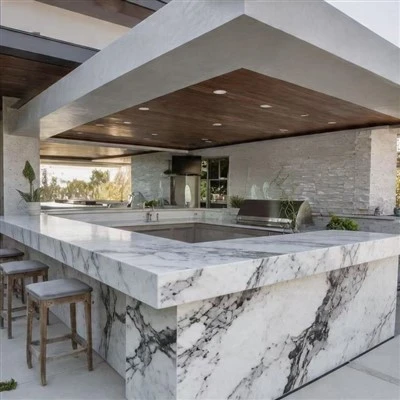
If you’re researching quartz flooring for your home or business, and you want to get specific answers for your space—whether you’re in a high-sun climate, a busy retail space, or a quiet residential home—reach out to our team. We can send you samples, walk you through our manufacturing processes, connect you with certified installers in your area, and help you find a quartz flooring solution that fits your needs and budget. Whether you’re a homeowner looking to update your kitchen, a contractor working on a commercial project, or a property manager who needs durable flooring for multiple units, we have the experience and products to deliver a floor that will last for years to come.
Outdoor Quartz References
- National Tile Contractors Association. (2022). Performance and Lifespan of Manufactured Stone Flooring. NTCA Technical Report #4.
- Stone Surface Association of North America. (2021). Quartz Composite Flooring: Composition, Durability, and Maintenance Guidelines. SSNA Industry Bulletin 17.
- U.S. Department of Energy. (2020). Durable Building Materials for Residential and Commercial Spaces: Lifespan Data and Cost-Benefit Analysis. DOE Office of Energy Efficiency and Renewable Energy Report.
- Journal of Materials in Civil Engineering. (2019). Wear Resistance of Engineered Quartz Flooring Under Cyclic Loading Conditions. Vol. 31, Issue 8.
Wuhu Junde New Material Technology Co., Ltd.
As one of the most experienced quartz flooring manufacturers and suppliers in China since 1998, we warmly welcome you to wholesale top-quality quartz flooring made in China here from our factory. If you have any enquiry about cooperation, please feel free to email us.
Address: No.8 Yulin Road, Xinwu Economic Development Zone, Anhui Province, China
E-mail: 1127319898@qq.com
WebSite: https://www.jundequartz.com/
