If you’re running a wastewater treatment plant, a municipal sludge processing facility, or a food manufacturing operation that relies on industrial sludge dewatering centrifuges, you know these machines are the workhorses that turn costly, high-volume wet sludge into manageable, transportable cake. But what happens when that workhorse slows down? Over time, accumulated sludge residue, embedded particulates, and minor wear from continuous operation can cut efficiency by 15% or more—costing you in energy, disposal fees, and downtime. As a supplier who’s helped dozens of facilities troubleshoot, repair, and maintain their centrifuges over the past 12 years, I’ve seen firsthand that a proper, regular cleaning routine isn’t just a “nice-to-have”—it’s critical to keeping your equipment running at peak performance. In this post, I’ll walk through the step-by-step process to clean an industrial sludge dewatering centrifuge correctly, share pro tips to avoid common mistakes, and explain how a consistent cleaning schedule can extend your machine’s lifespan. Industrial Sludge Dewatering Centrifuge
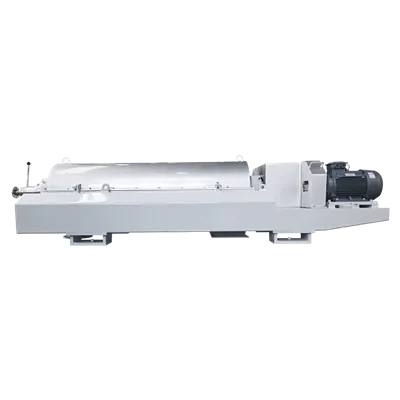
First, let’s set the stage: industrial sludge dewatering centrifuges aren’t the small tabletop models you might use in a lab. These are heavy-duty, stainless steel machines with a rotating bowl that spins at up to 3,000 RPM, separating solid sludge from liquid effluent via centrifugal force. The sludge being processed can vary wildly—from municipal primary sludge with high organic content to industrial sludge with heavy metals, oils, or chemical residues. That means the cleaning process needs to be tailored to your specific sludge type, but there’s a core sequence that applies across the board. Before we dive in, let’s talk about pre-cleaning safety. This is non-negotiable. Centrifuges handle hazardous materials, spin at high speeds, and have exposed moving parts when open. Always lock out and tag out (LOTO) the power supply before beginning any work—this is a OSHA requirement, and I’ve seen too many near-misses where a colleague forgot to lock out the machine before inspecting it. Wear personal protective equipment (PPE): chemical-resistant gloves, safety goggles, steel-toe boots, and a face shield for handling sludge or cleaning solvents. If your sludge contains pathogens (common in municipal facilities) or heavy metals, consider a Tyvek suit to avoid skin exposure.
Now, let’s get into the actual cleaning process, broken down into actionable steps.
Step 1: Shut Down and Prep the Machine for Inspection
Once LOTO is complete, start by draining the remaining sludge and water from the centrifuge. Most industrial centrifuges have a bottom drain valve—open this and let all liquid flow into a collection tank or approved disposal area. Do not skip this: standing water mixed with dried sludge can create a slippery mess inside the bowl, making it hard to access and increasing safety risks when you open the housing. Next, remove the centrifuge’s cover. This is usually held on by 4–6 heavy bolts or quick-release latches; use a wrench or socket set to loosen them, and have a helper hold the cover to avoid it falling or causing injury. If your machine has a screen or internal guard, set that aside carefully so you don’t bend or scratch it.
Step 2: Clean the Rotating Bowl (The Most Critical Part)
The bowl is where the dewatering happens, so this is where most of the sludge residue builds up. For initial cleaning, use a stiff nylon brush (avoid metal brushes, which can scratch the stainless steel surface and create places for sludge to adhere) to loosen caked-on sludge. Work in small sections: start at the top of the bowl, moving down toward the conical discharge end, brushing in a circular motion to avoid gouging the metal. For stubborn, dried-on sludge—especially if you process industrial sludge with high oil or chemical content—use a low-pressure (no more than 500 PSI) hot water spray. Hot water helps break down organic and oily residues without damaging the bowl. Never use high-pressure spray, as this can force water into the centrifuge’s bearings, leading to premature failure.
If your sludge has heavy metals or other hazardous compounds, you may need to use a mild, pH-neutral cleaning detergent (avoid harsh acids or bases, which can corrode stainless steel over time). Apply the detergent with a soft cloth, let it sit for 5–10 minutes to dissolve residues, then brush and rinse. Pay special attention to the bowl’s small ports and grooves—these are easy to miss, but leftover sludge here can unbalance the centrifuge when it restarts, causing vibration that wears out the motor prematurely. I once worked with a food manufacturing plant that skipped this step; their centrifuge started vibrating so badly it cracked the bowl, costing them $12,000 in repairs and 3 days of downtime. Don’t let that happen to you.
Step 3: Clean the Discharge Chutes and Screw Conveyor
After the bowl, move to the discharge components. The screw conveyor (also called the scroll) pushes dewatered sludge out of the bowl into the cake outlet, and this is another common area for buildup. Use the same nylon brush and hot water to clean the scroll’s flights (the angled blades that move sludge), making sure to remove all residue from between the blades. For the discharge chutes—where cake exits the machine—use a damp cloth to wipe away any sludge buildup, then dry thoroughly to prevent rust. If you have a centrifuge that processes oily sludge, you can use a food-grade degreaser here to break down stubborn oil residues.
Step 4: Inspect and Clean Auxiliary Components
Cleaning isn’t just about scrubbing surfaces—it’s about catching small issues before they become big problems. Take time to inspect the centrifuge’s seals, bearings, and belt during cleaning. Check the seals for cracks or leaks: a bad seal can let water or sludge into the bearings, leading to grinding or noise. If you see a small leak, note it for a repair visit. For the belt (if your centrifuge uses a belt drive), wipe it with a dry cloth to remove dust and sludge, and check for fraying. If the belt is cracked or stretched, replace it before it breaks and causes unplanned downtime. The bearings should be clean and free of grit—if you see sludge buildup around them, use a small brush to gently clean it, then lubricate according to the manufacturer’s specs.
Step 5: Rinse and Dry Thoroughly
Once all components are cleaned, give the entire inside of the centrifuge a final rinse with clean water to remove any loose debris or detergent residue. Then, use a lint-free cloth to dry all surfaces, especially the bowl and bearings. Leaving water on stainless steel can cause rust, especially if your facility’s water has high mineral content. For a quick, preventive step, you can spray a food-grade rust inhibitor on the metal surfaces after drying—this is a simple trick that adds years to the machine’s lifespan.
Now, let’s talk about common mistakes I see when facilities clean their centrifuges, because even a small error can derail all your hard work. First, using metal brushes or abrasive scrubbers on the stainless steel bowl. Over time, these scratch the surface, creating tiny pits where sludge can embed—leading to faster buildup and more frequent cleaning. Second, not draining the machine before cleaning. Standing water mixes with dried sludge to create a sludge-water paste that’s way harder to remove than dry or separated sludge. Third, rushing the inspection step. A quick wipe-down isn’t cleaning; taking 15 extra minutes to check seals and bearings can save you thousands in repair costs. And fourth, skipping the drying step. I’ve had customers tell me their centrifuge started rusting 6 months after a cleaning—turns out, they left the bowl damp, and the mineral-rich water caused corrosion.
So, how often should you clean your industrial sludge dewatering centrifuge? That depends on your usage and sludge type. For facilities running their centrifuge 24/7 with high-solid sludge (like municipal primary sludge), a full clean every 2–3 months is necessary. For facilities running it on a shift basis with lower-solid industrial sludge, a clean every 4–6 months works. But even if you’re not doing a deep clean, a quick daily wipe-down of the discharge chutes and a weekly check of the bowl’s ports will keep buildup from getting out of hand.
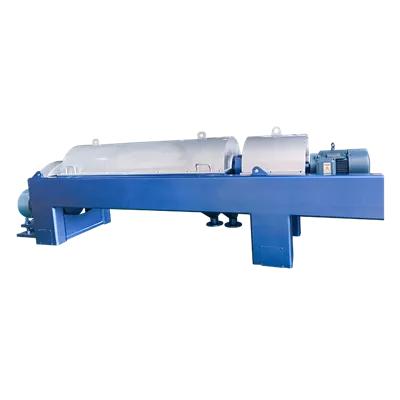
At the end of the day, a clean centrifuge is an efficient centrifuge. It uses less energy to spin, produces dryer cake (which cuts disposal fees), and has fewer breakdowns. If you’re not sure how to adjust your cleaning schedule for your specific machine, or if you’re facing persistent buildup that’s hard to remove, our team has worked with hundreds of facilities to develop customized maintenance plans. Whether you need replacement parts, a professional cleaning service, or guidance on optimizing your machine’s performance, we’re here to help. Don’t let a dirty centrifuge slow down your operations—reach out to our team today to discuss your needs and find the right solution for your facility.
Municipal Sludge Centrifuge References:
- Water Environment Federation. (2019). Operation of Municipal Wastewater Treatment Plants (7th ed.). WEF Press.
- American Society of Mechanical Engineers. (2021). Standard for Centrifugal Separators for Industrial Sludge Dewatering. ASME International.
- Occupational Safety and Health Administration. (2020). Lockout/Tagout: Control of Hazardous Energy (Standard 1910.147). U.S. Department of Labor.
- Sludge Management Association. (2022). Best Practices for Industrial Sludge Dewatering Equipment Maintenance. SMA Technical Bulletin Series.
- Stainless Steel Industry Association. (2021). Corrosion Prevention for Industrial Process Equipment. SSIA Technical Report.
Lishui Yuanrong Environmental Protection Equipment Co., Ltd.
As one of the most professional industrial sludge dewatering centrifuge manufacturers and suppliers in China, we have world-leading production equipment and strong manufacturing capabilities. Please feel free to buy customized industrial sludge dewatering centrifuge from our factory. Also, quotation is available.
Address: Lot 6-1, Block 15, Wanyang Zongchuang City, Lishui, Zhejiang, China
E-mail: 361184920@qq.com
WebSite: https://www.yrhdc.com/
