If you’ve ever sat at a bar stool, scooted a little forward to grab a drink, and heard that sharp, ear-splitting scrape against the floor—chances are you’ve dealt with one of the most annoying, overlooked issues for bar owners, café managers, and even home bar folks. As a bar stools supplier, I’ve heard this complaint a hundred times: customers hate the noise, floor managers panic about scuff marks on expensive wood or tile, and no one seems to have a simple, long-term fix that doesn’t cost a fortune or take half an hour to install. Bar Stools
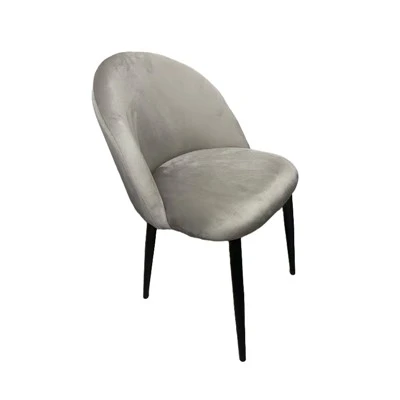
Let me cut to the chase: that scraping isn’t just a nuisance. Over time, those tiny, constant drags wear down bar stool legs, crack floor tiles, and leave permanent marks that are a pain to cover up. I’ve seen brand new bar stools get scuffed beyond recognition in a few months because someone skipped the right fix. So I’m gonna break down exactly why your stools are scraping, and what actually works to stop it—no gimmicks, no weird products, just stuff we’ve tested with hundreds of our clients over the years.
First, let’s get real about the root cause. Most people think it’s the “metal part” at the bottom of the stool, but that’s rarely the full story. Let’s start with basics: bar stool legs. A lot of cheap, mass-produced stools have thin, hollow metal legs with a flat, unprotected metal cap at the bottom. That cap is the thing grinding against your floor every time someone leans back or scoots. But even stools with wooden legs can scrape if the wood is unfinished, or if the stool’s weight is uneven. Wait—speaking of uneven weight: have you ever noticed a stool that rocks back and forth? That’s a wobbly leg, and even a little tilt makes one leg dig into the floor more, leading to way more scraping than a balanced stool. I’ve had a client who thought their tile was ruined, and it turned out just one stool leg was a sixteenth of an inch too long—fix that, and the scraping stopped cold. So first rule: check for wobbly legs before you buy anything extra.
Now, let’s talk about fixes, sorted from easiest (no tools needed) to long-term (for heavy use spaces like busy bars). I’m not gonna list every random product on Amazon—just the ones we’ve actually recommended to our clients, and seen hold up.
The first, most obvious fix: add a floor protector. But not just any protector. A lot of clients come in with those sticky felt pads—you know, the little square ones you get for chair legs. Those work, but only if you pick the right kind. Cheap felt pads get shredded in a week if you have customers who stand up often, or if you’re mopping the floor. I’d steer clear of the 99-cent packs at the grocery store. Instead, go for heavy-duty felt pads with a non-slip adhesive backing. Wait, but here’s a pro tip: don’t just slap a square pad on the center of the leg cap. Trim the pad to fit exactly the shape of the bottom of the leg. If it’s a round metal cap, cut the felt into a tight circle, so it doesn’t curl up at the edges. That way, it makes full contact with the floor, not just the corners, so it doesn’t wear out fast. We suggest these to café owners who have medium foot traffic—they’re cheap, easy to swap if they get damaged, and stop about 80% of light scraping.
But felt isn’t perfect. If you run a busy bar, or your floor is hardwood (which scratches super easy), felt might not cut it. Felt can slide a little, and on smooth floors, it doesn’t grip as well. That’s where rubber tips come in. Wait—no, not the cheap rubber caps that crack after a month. We use solid rubber tips with a threaded end, so you can screw them onto the bottom of metal bar stool legs. These are way sturdier than felt: they absorb vibration, don’t make noise when you scoot, and even add a little grip so the stool doesn’t slide around. A lot of our clients who have tile floors swear by these. One thing to watch for: measure your leg cap first. Not all metal legs are the same size—some are 1 inch, some are 1.25 inches. If you order a tip that’s too big, it won’t fit. And if it’s too small, it’ll fall off. We include a size guide with every order, so you don’t mess that up. For wooden bar stools, we usually use rubber pads that fit right over the end of the wood leg—no tools needed, just peel and stick. But again, go for the thick, high-density rubber, not the thin stuff that tears when someone drags a stool across a sticky drink spill.
Now, what if you have really heavy stools—like industrial bar stools that seat 300 pounds each, or a space where people are hauling stools around all day? Felt and rubber might wear out too fast, because the constant drag beats them up. That’s when we recommend modifying the leg itself. A lot of our clients like to powder-coat the bottom of the metal legs with a low-friction coating—something like nylon or Teflon. This isn’t the same as a regular paint job; it’s a thin, tough layer that lets the stool glide across the floor instead of scraping. We do this for all our commercial bar stools now, actually—because it’s a one-time fix that lasts for years. You might think it’s expensive, but when you compare to replacing a whole set of floor tiles every couple of years, it’s way cheaper. Another trick for wooden legs: sand the very bottom of the leg, then apply a few coats of polyurethane. That seals the wood so it doesn’t absorb moisture from mopping, which makes it expand and scratch the floor. We tested this on a set of vintage wooden stools a client had, and the scraping stopped completely—no more marks on their hardwood.
Wait, there’s one more thing people sleep on: the floor itself. No matter what fix you put on your stools, if your floor is concrete or has rough edges, you’re gonna get some scraping. I know that sounds obvious, but I’ve seen a bar with new stools and perfect rubber tips still scrape because their concrete floor had tiny grit particles stuck in the grout. The fix there? Sweep and mop every day, and maybe add a floor mat in the area where the stools are. A thick, woven floor mat acts as a buffer between the stool and the rough floor, and it also makes the stools glide easier. Just make sure the mat has a non-slip backing, so it doesn’t slide around when someone stands up.
Now, let’s talk about what NOT to do, because I’ve seen a lot of people waste money on dumb fixes. First, don’t put wax on the floor near the stools. Wax makes the floor slippery, which is a safety hazard—someone can slip and fall, or the stool can slide out from under a customer. Also, wax wears off fast, so you’ll have to reapply it every week, which is a hassle. Second, don’t use random household items like tape or rubber bands. Tape gets gooey on the floor and ruins it, rubber bands snap after a few uses. I once had a client who used hot glue to attach a felt pad—by the end of the month, the glue had melted from drink spills, and the pad fell off, leaving a sticky mess on their tile. Don’t do that. Third, don’t ignore wobbly legs. I can’t tell you how many times a client has tried 3 different protectors, only to realize one leg is just a hair too long. Grab a tape measure: if one leg is more than 1/16 inch shorter or longer than the others, that’s the problem. Most stools have adjustable feet, actually—little screws you can turn to make the leg longer or shorter. If your stools don’t have adjustable feet, you can buy them for cheap at any hardware store, and screw them onto the bottom of the legs. That’s a 5-minute fix that will solve 90% of your scraping issues before you even add a protector.
Let me wrap this up with a quick, no-BS guide for anyone who’s dealing with this right now. If you’re a home bar owner, or a small café: start with adjustable feet, then add heavy-duty felt pads if needed. If you’re a busy bar, go for solid rubber tips on metal legs, or powder-coat the legs for a long-term fix. If you have wooden stools, seal the legs with polyurethane and add rubber pads. And if you’re ordering new bar stools, ask the supplier about floor-friendly legs—we build all our commercial stools with that low-friction coating, so you don’t have to do extra work later.
I know this stuff seems small, but trust me: no one wants customers complaining about the noise, or you having to pay to replace scuffed floors. We’ve worked with thousands of bars and restaurants, and we’ve made sure every stool we sell comes with a free guide on how to stop scraping, because this is way more important than most people realize.
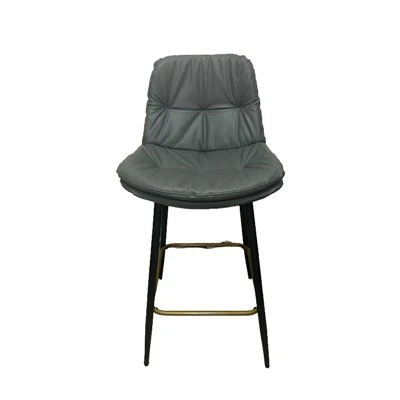
If you’re in the market for new bar stools, or you need help fixing the ones you already have, hit me up. We can walk through your space, what your floor is made of, and pick the best fix that won’t break the bank. No sales pitch, no pressure—just real advice from someone who’s dealt with this a million times.
Chairs References
- Hardwood Flooring Association: Chair Leg Wear and Floor Protection (2022)
- National Restaurant Association: Commercial Bar Stool Maintenance Guide (2021)
- ASTM International: Friction Coefficients for Floor Protector Materials (2020)
- Bar & Café Magazine: Common Bar Stool Nuisances and Solutions (2023)
- Furniture Industry Association: Adjustable Foot Design for Stable Seating (2022)
Bazhou Ransheng Furniture Co., Ltd.
We’re well-known as one of the most experienced bar stools manufacturers and suppliers in China. With a professional production team, we offer a wide range of chairs with superior quality. Welcome to wholesale bulk high-end bar stools in stock here and get quotation from our factory. Customized orders are welcome.
Address: Shengfang Town, Bazhou City, Langfang City, Hebei Province
E-mail: m13513011855@163.com
WebSite: https://www.ranshengfurni.com/
