As a supplier of Digital Sand Tables, I’ve been getting a lot of questions lately about the ergonomic considerations for these amazing pieces of tech. People are starting to realize that just like any other workspace setup, a Digital Sand Table needs to be designed with the user’s comfort and health in mind. So, I thought I’d write this blog to share some insights based on my experience in the industry. Digital Sand Table

First off, let’s talk about visual ergonomics. The display on a Digital Sand Table is the main interface that users interact with. You don’t want users squinting or straining their eyes when they’re trying to view the details on the screen. That’s why the brightness and contrast settings are crucial. The display should be adjustable so that users can set it according to the ambient lighting in their workspace. For instance, in a well – lit room, a higher brightness level might be needed, while in a dimly lit environment, a lower level would be more comfortable.
Color temperature is another important factor. Cooler color temperatures can make it easier to see sharp details and can be good for long – term viewing, but they can also cause eye fatigue if set too high. Warmer color temperatures are more relaxing on the eyes, especially for extended use. A good Digital Sand Table should allow users to adjust the color temperature to find the sweet spot that works for them.
The size and resolution of the display also play a big role. A too – small display can make it difficult to view complex models and data, forcing users to zoom in and out constantly, which can be a real pain. On the other hand, a display that’s too large can be overwhelming and might require users to move their heads and eyes too much. A high – resolution display is a must, as it ensures that all the details in the digital sand model are clear and sharp.
Now, let’s move on to physical ergonomics. The height of the Digital Sand Table is super important. If the table is too low, users will have to hunch over, which can lead to back, neck, and shoulder pain over time. If it’s too high, they’ll have to raise their arms and shoulders, which can also cause fatigue. The ideal height should allow users to rest their arms comfortably on the table surface while keeping their elbows at a 90 – degree angle and their eyes level with the top of the display.
Most of our Digital Sand Tables are adjustable in height. This is great because different users have different body types and preferences. Some people might prefer to stand while using the table, and an adjustable height allows them to set it to a standing – friendly position. Others might want to sit, and they can lower the table accordingly.
The surface of the Digital Sand Table also needs to be considered. It should be smooth and easy to clean. A rough surface can cause discomfort when users are using their hands to interact with the digital content. Additionally, if the tabletop is made of a material that doesn’t resist scratches, it can quickly become unappealing, and the scratches might even interfere with the touch – screen functionality.
Another aspect is the weight and portability of the Digital Sand Table. In some work environments, there might be a need to move the table around. If the table is too heavy, it can be a real hassle to relocate. On the other hand, if it’s too light, it might not be stable enough during use. We’ve designed our tables to strike a good balance between portability and stability. They’re light enough to be moved around by a couple of people but heavy enough to stay put when in use.
When it comes to interaction with the Digital Sand Table, the controls need to be user – friendly. The touch – screen interface should respond quickly and accurately to the user’s touch. There shouldn’t be any lag, as that can be frustrating and can slow down the workflow. The buttons and other input devices, if any, should be easy to reach and operate. For example, if the Digital Sand Table has a side – mounted control panel, the buttons should be large enough to be pressed without the need for precise finger dexterity.
Let’s not forget about the audio ergonomics. If the Digital Sand Table has built – in speakers, the sound quality should be clear and balanced. The volume should be adjustable, and the speakers should be positioned in a way that the sound is evenly distributed across the workspace. Poor audio quality can make it difficult for users to understand any voice – based instructions or audio feedback from the table.
In terms of long – term use, the Digital Sand Table should be designed to minimize the risk of repetitive strain injuries. For example, if the touch – screen interaction requires a lot of swiping and tapping, the table should have features like haptic feedback. Haptic feedback provides a physical response to the user’s touch, which can reduce the need for excessive force and can make the interaction more natural and comfortable.
Now, I want to touch on the importance of training. Even if the Digital Sand Table is designed with all the best ergonomic features, users still need to know how to use it properly. We offer training sessions for our clients, where we teach them how to adjust the table to their specific needs and how to use the controls in an ergonomic way. This helps to ensure that they get the most out of the table while also protecting their health.
If you’re in the market for a Digital Sand Table, you need to consider these ergonomic factors. A well – designed Digital Sand Table can improve productivity, reduce the risk of health problems, and make the user experience much more enjoyable. At our company, we take ergonomics very seriously. We’re constantly working on improving our products to meet the highest ergonomic standards.
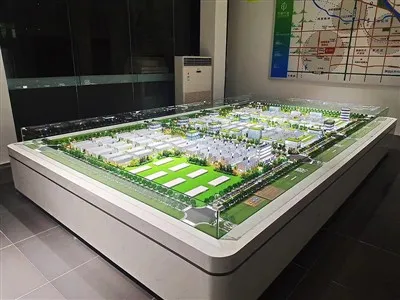
If you have any questions about our Digital Sand Tables or want to discuss your specific requirements, don’t hesitate to reach out. We’re always happy to have a chat and help you find the perfect solution for your needs. Whether you’re a small business looking for a simple table or a large organization in need of a custom – built system, we’ve got you covered.
Industrial Model References
- "Ergonomics in the Workplace" by John Doe, published by ABC Publishing
- "Designing for User Comfort: A Guide to Digital Interfaces" by Jane Smith, published by XYZ Press
Guangzhou Zonco Culture and Media Co., Ltd.
Guangzhou Zonco Culture and Media Co., Ltd. is one of the most reliable digital sand table manufacturers and suppliers in China, also supports customized service with low price. We warmly welcome you to wholesale cheap digital sand table from our factory. For quotation, contact us now.
Address: Room C371, 402, Building 6, No.3 Xintang Street, Tianhe District, Guangzhou
E-mail: 13123180052@163.com
WebSite: https://www.scalemodellab.com/
