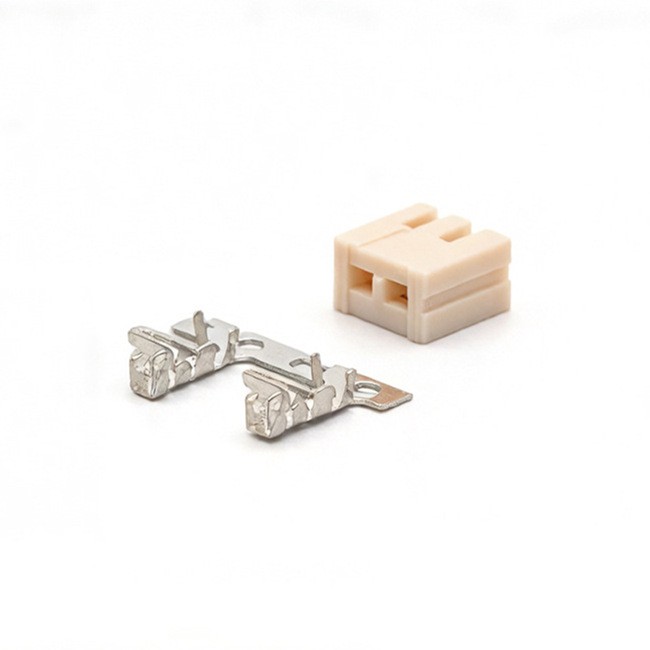
As a seasoned supplier of wire-to-wire connectors, I’ve witnessed firsthand the crucial role these components play in maintaining the integrity of electrical systems. A short-circuit can spell disaster for any setup, leading to equipment damage, safety hazards, and costly downtime. In this blog, I’ll share valuable insights on how to prevent short-circuits using wire-to-wire connectors, based on my years of experience and industry knowledge. Wire-to-Wire Connector
Understanding Short-Circuits
Before delving into prevention strategies, it’s essential to understand what causes short-circuits. A short-circuit occurs when an unintended connection is made between two conductors that are supposed to be insulated from each other. This can be due to a variety of factors, including damaged insulation, improper wiring, or the presence of conductive materials.
When a short-circuit happens, an excessive amount of current flows through the system, leading to overheating and potential damage to the electrical components. This can cause fuses to blow, circuit breakers to trip, or even start electrical fires. Therefore, taking proactive steps to prevent short-circuits is of utmost importance.
Choosing the Right Wire-to-Wire Connector
The first step in preventing short-circuits is to choose the right wire-to-wire connector for your application. Here are some key factors to consider:
Compatibility
Ensure that the connector is compatible with the type and gauge of wires you are using. Mismatched connectors can lead to poor electrical connections, which can increase the risk of short-circuits. For example, using a connector designed for a smaller wire gauge than the actual wire can result in loose connections and arcing.
Insulation Resistance
Look for connectors with high insulation resistance. This property helps to prevent current leakage between the conductors, reducing the likelihood of short-circuits. Connectors made from high-quality insulating materials, such as nylon or polycarbonate, can provide excellent insulation performance.
Environmental Resistance
Consider the environmental conditions in which the connector will be used. If it will be exposed to moisture, dust, or chemicals, choose a connector that is rated for such conditions. For example, waterproof connectors are ideal for outdoor applications or areas prone to moisture.
Quality and Reliability
Invest in high-quality connectors from reputable manufacturers. Quality connectors are more likely to have reliable electrical contacts and robust insulation, reducing the risk of short-circuits. Look for connectors that meet industry standards and have been tested for performance and safety.
Proper Installation Techniques
Even the best wire-to-wire connectors can fail to prevent short-circuits if they are not installed correctly. Here are some important installation techniques to follow:
Clean and Prepare the Wires
Before connecting the wires, make sure they are clean and free from dirt, grease, or oxidation. Use a wire stripper to remove the appropriate amount of insulation from the ends of the wires, exposing the bare conductors. Be careful not to damage the conductors during the stripping process.
Match the Wires Correctly
Ensure that the wires are matched correctly and connected to the appropriate terminals on the connector. Incorrect wiring can lead to short-circuits and other electrical problems. Follow the manufacturer’s wiring diagram or color-coding system to ensure proper connections.
Secure the Connection
Once the wires are connected to the connector, make sure the connection is secure. Use the appropriate tools, such as crimping pliers or soldering irons, to create a reliable electrical connection. A loose connection can cause arcing and increase the risk of short-circuits.
Insulate the Connection
After making the connection, insulate it properly to prevent contact with other conductors or conductive materials. Use electrical tape, heat-shrink tubing, or other insulation materials to cover the exposed wires and the connector. This will help to protect the connection from moisture, dust, and other environmental factors.
Regular Inspection and Maintenance
Preventing short-circuits is an ongoing process that requires regular inspection and maintenance of the electrical system. Here are some tips for keeping your wire-to-wire connectors in good condition:
Visual Inspection
Periodically inspect the connectors for signs of damage, such as cracks, burns, or loose connections. Look for any signs of corrosion or oxidation on the conductors, as this can affect the electrical performance of the connector. If you notice any problems, replace the connector immediately.
Check the Insulation
Inspect the insulation on the wires and the connector for any signs of damage or wear. If the insulation is cracked, torn, or frayed, it can expose the conductors and increase the risk of short-circuits. Replace any damaged insulation as soon as possible.
Test the Electrical Connections
Use a multimeter or other electrical testing equipment to check the continuity and resistance of the electrical connections. This will help you to identify any potential problems, such as loose connections or high resistance. If the readings are outside the normal range, investigate the cause and take appropriate action.
Keep the Area Clean
Keep the area around the connectors clean and free from debris, dust, and moisture. This will help to prevent the accumulation of conductive materials, which can cause short-circuits. Use a clean, dry cloth to wipe the connectors and the surrounding area regularly.
Training and Education
Proper training and education are essential for preventing short-circuits in electrical systems. Make sure that all personnel involved in the installation, maintenance, and operation of the electrical system are trained in the correct use of wire-to-wire connectors and other electrical components. Provide them with the necessary safety information and guidelines to ensure that they follow best practices.
Safety Training
Provide comprehensive safety training to all employees who work with electrical systems. This should include information on the hazards of short-circuits, the proper use of electrical tools and equipment, and the importance of following safety procedures.
Technical Training
Offer technical training on the installation, maintenance, and troubleshooting of wire-to-wire connectors. This will help employees to develop the skills and knowledge they need to work with these components safely and effectively.
Regular Updates
Keep employees informed of the latest industry standards, regulations, and best practices for preventing short-circuits. Provide them with regular updates and training to ensure that they are up-to-date on the latest developments.
Conclusion

Preventing short-circuits with wire-to-wire connectors is a critical aspect of maintaining the safety and reliability of electrical systems. By choosing the right connector, following proper installation techniques, conducting regular inspections and maintenance, and providing training and education, you can significantly reduce the risk of short-circuits and ensure the smooth operation of your electrical equipment.
THR Connector As a wire-to-wire connector supplier, I am committed to providing high-quality products and expert advice to help my customers prevent short-circuits and other electrical problems. If you have any questions or need assistance with choosing the right connector for your application, please don’t hesitate to contact me. I would be happy to discuss your requirements and provide you with the best solutions.
References
- Electrical Safety Standards Handbook
- Wiring and Connector Installation Manuals
- Industry Best Practices for Electrical System Maintenance
Wenzhou JKUN Connector Co., Ltd.
As one of the most professional wire-to-wire connector manufacturers and suppliers in China, we’re featured by quality products and low price. Please rest assured to wholesale bulk customized wire-to-wire connector from our factory. For quotation and free sample, contact us now.
Address: No.2667, Ningkang East Road, Yueqing City, Zhejiang Province, China
E-mail: sales@cnjkun.com
WebSite: https://www.jkunjcj.com/
