Hey there, RC aircraft enthusiasts! I’m a supplier of 30C – 35C RC aircraft LiPo batteries, and today I wanna chat about how the 30C – 35C rating impacts the take – off performance of an RC aircraft. 30C-35C RC Aircraft Lipo Battery
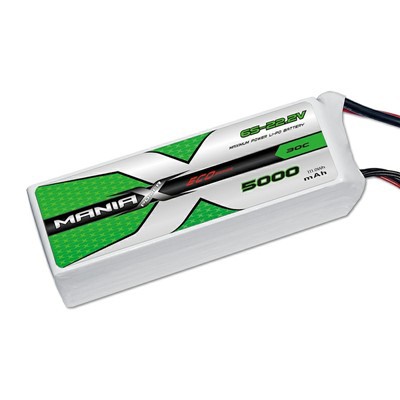
First off, let’s get into what the C – rating actually means. The C – rating on a LiPo battery tells you how fast the battery can discharge. In simple terms, a higher C – rating means the battery can deliver more power in a short amount of time. For our 30C – 35C batteries, it implies that they can discharge at a rate 30 to 35 times their amp – hour (Ah) rating.
Now, when it comes to take – off, an RC aircraft needs a huge burst of power. It has to overcome inertia and generate enough lift quickly. This is where the 30C – 35C rating really shines.
Imagine you’re trying to take off with a battery that has a lower C – rating. The power delivery would be slower, which means the motors of the RC aircraft won’t get the necessary oomph right away. The plane might take longer to build up speed, and it could end up needing a longer runway or launch area. This is not ideal, especially if you’re flying in a confined space.
On the other hand, a 30C – 35C battery can supply a large amount of current almost instantaneously. This allows the motors to spin up rapidly, and the propellers can generate a high amount of thrust. As a result, the aircraft can achieve take – off speed much quicker.
Let’s break it down even more. The relationship between power, current, and voltage is crucial here. According to the formula P = VI (Power = Voltage x Current), when you have a battery with a high C – rating, it can provide a large current. If the voltage remains constant, a higher current means more power. More power means the motors can perform at their best during take – off.
One of the key factors affected by the take – off performance is the pitch angle. With a 30C – 35C battery, the aircraft can lift off at a steeper pitch angle. This is because the strong power delivery allows for more rapid acceleration. The plane doesn’t have to rely on a long, flat take – off run. You can get it into the air at a more vertical angle, which is really useful in some flying scenarios like short – field take – offs or when you need to clear an obstacle quickly.
Another aspect is the stability during take – off. When a battery can’t deliver sufficient power, the motors may sputter or lose torque. This can lead to an uneven thrust distribution among the motors, causing the aircraft to wobble or veer off – course during take – off. A 30C – 35C battery helps to maintain a consistent power supply to all the motors. So, the thrust is evenly distributed, and the aircraft has a much smoother take – off.
I’ve seen so many RC flyers having issues with their take – offs because they’re using batteries with lower C – ratings. They’re constantly struggling to get their planes airborne quickly and smoothly. Once they switch to our 30C – 35C LiPo batteries, it’s like night and day. They notice a significant improvement in how fast their planes can take off and how stable they are during this critical phase of flight.
But it’s not just about the take – off performance. The 30C – 35C rating also has long – term benefits for the aircraft and the battery itself. A well – performing battery during take – off means less stress on the motors. When the motors don’t have to struggle to get the plane moving, they’re less likely to overheat or wear out prematurely. This can save you a lot of money on motor replacements in the long run.
Moreover, the high – performance nature of our 30C – 35C batteries means they’re built with better materials and manufacturing processes. They can handle the high – current demands without significant degradation. So, you can expect a longer lifespan from these batteries compared to lower – rated alternatives.
Now, I know some of you might be thinking, "This all sounds great, but are there any downsides?" While 30C – 35C batteries offer fantastic take – off performance, they do come with a few things to keep in mind. They’re generally more expensive than lower – C – rated batteries. Also, they require careful handling. High – C – rating batteries generate more heat during high – current discharge. So, you need to make sure you have proper ventilation in your battery compartment and that you don’t over – discharge them.
But in my opinion, the benefits far outweigh the drawbacks. If you’re serious about improving your RC aircraft’s take – off performance, investing in a 30C – 35C battery is a no – brainer.
As a supplier of these high – quality LiPo batteries, I’m always here to answer your questions and help you find the right battery for your specific RC aircraft. Whether you’re a beginner looking for a reliable battery to get started with or an experienced flyer looking to upgrade your performance, we’ve got you covered.
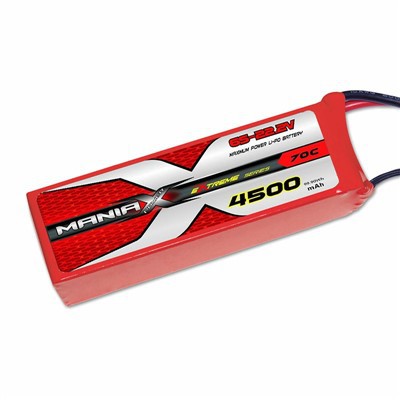
If you’re interested in learning more about our 30C – 35C RC aircraft LiPo batteries or want to start a purchase negotiation, feel free to reach out. I’d love to talk to you about how our batteries can take your RC flying experience to the next level.
Jet Turbines LiFePO4 Battery References:
- "Model Aviation Handbook" by various authors
- RC Flight magazines and online forums for real – world user experiences and insights
ManiaX Power Technology Co., Ltd.
ManiaX Power Technology Co., Ltd. is one of the most reliable 30c-35c rc aircraft lipo battery manufacturers and suppliers in China, also supports customized service. Please feel free to wholesale bulk durable 30c-35c rc aircraft lipo battery made in China here from our factory.
Address: Room 1508, 15/F, Two Grand tower, 625 Nathan Road, Kowloon, HongKong. P.R. China
E-mail: info@maniax-power.com
WebSite: https://www.maniaxpower.com/
