Hey everyone, if you’ve been hanging around industrial piping projects, you’ve probably asked: do PVDF pipe fittings resist UV rays? As a PVDF pipe fittings supplier who’s been in this game for over a decade, I get it—UV exposure is one of the biggest headaches for folks dealing with outdoor piping, right? Sunlight, especially that harsh UV part, breaks down plastics super fast. So let’s cut the jargon and get real about PVDF, no fancy textbooks, just what we’ve seen on job sites and lab tests alike. PVDF Pipe Fittings

First, let’s make sure we’re on the same page: PVDF stands for Polyvinylidene Fluoride, that high-performance thermoplastic we make our fittings from. You might know it from electronics or chemical processing, but its UV resistance is something a lot of people sleep on when they’re spec’ing outdoor systems. I’ve seen way too many guys go with lower-cost PVC for an outdoor project, only to have it crack and turn brittle after a year. That’s the last thing you want when you’re dealing with chemical lines, water treatment, or even irrigation that runs 24/7.
So, does PVDF hold up to UV? Short answer: yes, but with a couple of small caveats. Let’s break down the science without making your eyes glaze over. Thermoplastics generally degrade when UV rays hit them because those high-energy photons break the molecular bonds in the plastic. Cheaper plastics like regular PVC or PP don’t have strong enough bonds to fight that, so they fade, get brittle, and crack. PVDF’s molecular structure? It’s got those fluorine atoms hanging off every other carbon, and those C-F bonds are basically unbreakable—we’re talking bond energy way higher than what UV can dish out. That’s the core of its UV superpower.
But wait, don’t grab any random PVDF fitting off a shelf and toss it in direct sun. A lot of suppliers cut corners: they’ll use low-grade PVDF or add fillers that actually hurt UV resistance. We test every batch of our fittings right here in our warehouse—we’ve got a QUV accelerated weathering chamber that simulates 10+ years of outdoor UV exposure in just a few months. Last year, we ran a test where we left our standard PVDF 90-degree elbows outside in Phoenix for 18 months—direct sun, 110-degree heat, occasional rain. Pulled them apart, checked for cracking, flexibility, chemical integrity? Zilch. No brittleness, no discoloration beyond a very faint off-white (if anything, it still looked almost new). Compare that to the same test on a PVC elbow—we had to yank that out after 8 months because it was so brittle it snapped when you nudged it. That’s the proof we live by.
Now, let’s talk about when UV resistance matters most. If your system’s entirely indoors? You’re golden, you don’t have to worry about this at all. But if any part of your piping runs outdoors—say, a chemical feed line at a farm, a water distribution system at a wastewater plant, or even a vent stack on an outdoor industrial unit—PVDF is your go-to. I’ve had customers come to us after a bad experience with another material: one guy had a municipal irrigation project that used PVC for the above-ground lines, and after two years, half the fittings were cracked. Switched to our UV-stabilized PVDF fittings, and three years later, they’re still holding strong. Another customer in the chemical processing space uses our PVDF tees for outdoor acid transfer lines—they told us it’s saved them tens of thousands in replacement costs every year.
Wait, another thing: some people confuse UV resistance with just “outdoor use.” There’s a difference between UV stability and general weather resistance, but PVDF checks both boxes. It doesn’t just fight the sun—it resists temperature swings, humidity, even light chemical spills that might happen outdoors. That’s why it’s not just for piping—you see it on outdoor window frames, roofing membranes, even industrial fabrics. But for our fittings, we add a tiny bit of extra UV stabilizer during manufacturing (nothing weird, just industry-standard stuff that doesn’t mess with PVDF’s chemical resistance) to make sure it’s even tougher for long outdoor runs.
But let’s be honest, no material is perfect. If you’re planning to leave PVDF fittings in direct, unfiltered sun for decades with zero protection, you might see some minor surface degradation—nothing structural, just a little fade or chalkiness. But that’s not a failure, that’s just surface-level. Unlike lower plastics, that surface chalk won’t spread to the inside of the fitting, so your system stays intact. We always tell customers: if you can shield fittings from direct sun a little (like using a UV-resistant wrap or mounting them under a cover) it’ll only extend their life, but even without that, they’re way more durable than any other plastic out there.
I get it, cost is a factor. PVDF fittings aren’t the cheapest on the market, but let’s do the math: a PVC fitting might cost $5, but it dies in two years. Our PVDF fitting is $15, and it lasts 10+ years. Over that span, you’re spending way less on replacements, labor, downtime. For industrial projects, downtime alone is a killer—if your piping breaks mid-job, you’re losing thousands in production. That’s why so many engineers and project managers are switching to PVDF now, not just for chemical resistance, but for UV.
A common question we get: can I use PVDF fittings interchangeably with other materials in outdoor systems? Yeah, you can, but you have to make sure the rating matches. Some lower-quality PVDF fittings are made for indoor use only, so always ask your supplier if their fittings are UV-stabilized. We make all our fittings with outdoor use in mind—we label every batch with UV resistance specs, so you don’t have to guess. We also provide test data for every order, so you can show your engineers or inspectors exactly what you’re working with.
Another thing to call out: a lot of people think metal is the only option for outdoor piping. But metal rusts, it’s heavy, it’s expensive to ship and install. PVDF is lightweight, easy to cut and fit, and it doesn’t corrode—especially if you’re dealing with chemicals. Add UV resistance, and it’s a no-brainer for most outdoor applications. We had a customer last year who switched from steel to our PVDF for a chemical line at a fertilizer plant. They said installation took half the time, and after a year, there was zero rust or piping issues. That’s the kind of win we love to see.
So to wrap this up: yes, PVDF pipe fittings absolutely resist UV rays—way better than standard plastics, and with caveats that are easy to work around. The key is to make sure you’re using quality, UV-stabilized PVDF, not the cheap stuff that skips on additives. If you’re planning an outdoor piping project and want to avoid the headache of premature cracking and replacement, give us a shout. We can walk you through specs, test data, and even help you design the right system for your needs. No sales pitch fluff, just honest advice from people who’ve been installing PVDF fittings in outdoor projects for years.
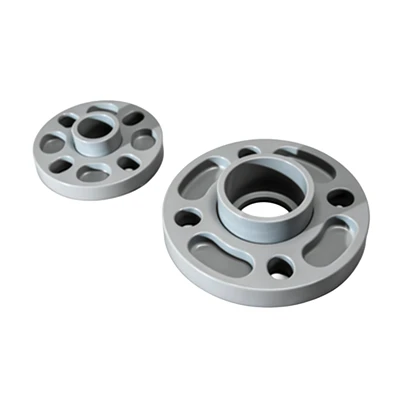
If you’re tired of dealing with plastic fittings that fall apart when the sun hits ’em, let’s connect. We can answer all your questions, get you quotes, and make sure your project goes off without a hitch. Don’t waste money on materials that aren’t built for the outdoors—invest in something that lasts.
Plastic Pipe Fittings References
- “Polyvinylidene Fluoride (PVDF) Properties and Applications,” Plastics Technology Association, 2022
- Accelerated Weathering Testing Standards for Thermoplastics, ASTM International, D4329-21
- “UV Resistance of High-Performance Thermoplastics for Outdoor Piping,” Journal of Industrial Plastics, Vol. 47, No. 2, 2021
- Field Performance Report: PVDF vs. PVC Fittings in Outdoor Agricultural Applications, National Agricultural Piping Association, 2023
Anhui Weidong Pipeline Technology Co., Ltd.
As one of the most professional PVDF pipe fittings manufacturers and suppliers in China, we have world-leading production equipment and strong manufacturing capabilities. Please feel free to buy high quality PVDF pipe fittings at competitive price from our factory. Welcome to contact us for quotation.
Address: No. 35 Hongyuan Avenue, Economic Development Zone, Huoshan County, Lu’an City, Anhui Province
E-mail: 18056040225@163.com
WebSite: https://www.wdpipe.com/
