If you’ve ever stepped into a basement flooded by a heavy rainstorm, or visited a job site where sprinkler lines sprung a leak and soaked equipment, you’ll know that water and low voltage distribution boxes don’t mix. As a low voltage distribution box supplier, I’ve spent years talking to electricians, facility managers, and construction crews who’ve faced costly downtime—sometimes lasting weeks—because water got into a box that was supposed to keep wiring, circuit breakers, and control components safe. I’ve seen power for a 10,000-square-foot warehouse cut out mid-shift, and a hospital’s backup lighting system fail during a test, all because of a tiny gap in a distribution box that should have been protected from water. The good news is that protecting these boxes from water ingress isn’t just about slapping a seal on and calling it done. It’s about understanding where water gets in, how different environments affect risk, and choosing solutions that actually stand up to real-world conditions. Low Voltage Distribution Box

First, let’s break down what water ingress in a low voltage distribution box even means. Low voltage systems are generally rated for under 1,000 volts, used for things like lighting circuits, small appliances, security systems, and HVAC controls. A distribution box for these systems has several entry points: cable glands that feed wires in and out, where the cable meets the box housing, the junction between the box body and its hinged cover, any knockouts that weren’t properly sealed, and even vents if the box needs airflow for heat dissipation. Water doesn’t have to be a full flood to cause damage—high humidity, condensation, or even splashing water from cleaning equipment can create moisture that corrodes terminals, shorts out circuits, or causes electrical arcing. I’ve worked with a manufacturing plant that installed their outdoor distribution boxes too close to a cleaning bay; daily splashes from high-pressure hoses corroded the neutral bar in just six months, leading to three unplanned shutdowns. That’s the kind of avoidable issue we help customers fix every day.
So how do you actually protect these boxes? The first step is matching the box’s ingress protection (IP) rating to its installation environment. IP ratings aren’t just marketing numbers—they’re standardized tests that tell you how well a box resists solid objects and water. For example, an IP20 box is only protected against solid objects over 12mm (like fingers) and no water protection at all. That’s fine for indoor, dry environments like a finished office closet, but it’s dangerous for a box in an unconditioned basement where condensation forms, or an outdoor utility closet that gets hit by rain. For indoor locations that might see occasional splashes, like a garage or a loading dock, an IP54 rating is a minimum—this means it’s dust-resistant enough to not let harmful dust in, and protected against water splashing from any direction. If a box is going to be in a more exposed outdoor spot, like a pole mount or near a parking lot where it might be hit by a stream of water from a pressure washer, you need at least IP65: dust-tight, and protected against low-pressure water jets from any direction. For areas that get heavy direct rainfall, like a rooftop or a wall exposed to constant rain, IP66 is better, as it can withstand high-pressure water jets without any water getting inside. I always stress to customers that choosing the right IP rating isn’t overkill—it’s the first line of defense. Too many people buy a cheaper IP20 box for an outdoor project and end up paying for a replacement months later.
Next, the cable entry points are the most common gaps for water to sneak through, and they’re the area where I see the most mistakes from installers. When a cable is fed into a distribution box, the space between the cable’s outer sheath and the hole in the box needs to be sealed to prevent water, dust, or pests from getting in. The best way to do this is with quality cable glands—specifically ones that are rated for the same IP as the box itself. A lot of installers use cheap, generic glands that are only IP54, even for an IP65 box, and that negates the higher rating. For armored cables, the gland should grip both the outer armor and the inner sheath, not just the outer layer. For multi-core cables, rubber sealing inserts inside the gland are key; they compress around each individual cable to eliminate gaps. I also recommend using cable glands with integrated strain relief, not just for water protection, but to keep cables from tugging loose over time, which can cause loose connections that lead to overheating and fire risks. A common trick I share with electricians is to apply a bead of silicone sealant around the base of the cable gland where it meets the box housing, but only after the gland is tightened properly. You have to make sure the sealant is compatible with both the gland material and the box’s finish—some sealants break down over time when exposed to UV light, which is a problem for outdoor installations.
Another often-overlooked area is the junction between the distribution box body and its cover. The cover gasket is what creates the watertight seal here, but gaskets degrade over time, especially in extreme temperatures or UV light. A gasket that’s made of cheap rubber might crack after a couple of years, leaving gaps where water can seep in. The best gaskets are made of EPDM (ethylene propylene diene monomer) rubber, which is resistant to UV, ozone, and temperature fluctuations from -40°C to 125°C, so it works for both indoor cold storage and outdoor sun-exposed locations. When installing a new box, always check that the gasket is seated evenly in its groove around the cover—if it’s twisted or not sitting properly, there will be gaps. I’ve had customers tell me their box was rated IP65 but still got water in, only to realize the electrician installed the cover gasket upside down, so half the seal was loose. Never overtighten the cover screws either—over-tightening can distort the box or the cover, pulling the gasket out of shape and breaking the seal. Tighten them in a crisscross pattern, like how you tighten a car wheel lug nut, to ensure even pressure all around. If a box is installed in a very wet area, like near a pool or a marine environment, you can add a secondary seal: a thin layer of silicone around the outer edge of the cover, after the gasket is in place, to add extra protection against heavy moisture.
Vents are a tricky part of distribution boxes because they’re needed to let heat escape—low voltage components, especially circuit breakers and transformers, generate heat when in use, and trapped heat can cause parts to fail prematurely. But vents are also a common entry point for water. The solution here is to use watertight ventilation grilles that are rated to match the box’s IP rating, instead of plain open holes. These grilles have a fine mesh to keep dust out and a baffled design that deflects water, so water jets or splashes hit the angled baffle and run off instead of getting into the box. For boxes that are in extremely humid environments, like a sauna room or a coastal area with salt air, you can also use desiccant breather vents. These vents let air pass through, balancing pressure inside and outside the box (which prevents condensation from forming when temperature changes, a common issue in unconditioned spaces), and they have a desiccant that absorbs any moisture that gets through. I once worked with a hotel that had distribution boxes in the basement near the pool; without breather vents, the temperature difference between the warm pool area and the cool basement caused heavy condensation inside the boxes, even though the boxes were IP54 rated. Adding the desiccant vents fixed the condensation problem completely.
Proper installation location is just as important as the box itself. Even the best IP66 box will let water in if it’s installed at ground level in an area that floods regularly. For outdoor boxes, always mount them at least 30cm above the highest recorded flood level for your area. If that’s not possible, install a raised concrete pad under the box to keep it elevated. Avoid installing boxes under downspouts or near sprinkler heads that spray water directly at the box—adjust sprinklers to aim away, and install a small overhang or a waterproof cover above the box if it’s near a downspout. For indoor boxes, don’t install them in areas where they’re exposed to cleaning hoses or pipe leaks; if that’s unavoidable, install a secondary waterproof enclosure over the distribution box. I recently worked with a construction company that installed a distribution box in a new restaurant’s kitchen, where staff use high-pressure hoses to clean floors. We put the box in a wall niche and added a waterproof, hinged cover over the box, so it’s protected from splashes while still being accessible for maintenance.
Regular maintenance is the final piece of the puzzle—even the best-protected distribution boxes will have issues if you don’t check them periodically. For outdoor boxes, inspect them every six months, especially after heavy rain or snow. Check the cover gasket for cracks, brittleness, or debris that’s stuck in the groove. Tighten the cover screws if needed, and make sure all cable glands are still secure. For boxes in industrial or coastal areas, inspect them every three months, as salt air and industrial dust can degrade seals faster. Every year, open the box (following lockout/tagout procedures, of course) to check for moisture inside. If you find any condensation, it might mean the vent is blocked, or the gasket is damaged. You can use a lint-free cloth to dry the inside, and add a small desiccant packet inside if needed (just make sure it’s not touching any live components). A lot of people think once they install a protected box, they never have to touch it—but regular maintenance catches small issues before they become big, expensive problems.
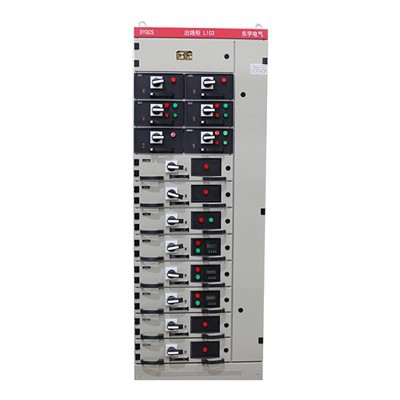
Over the years, I’ve seen too many customers cut corners on water protection for distribution boxes, and the result is always avoidable downtime, repair costs, and even safety hazards. Water in a low voltage box can cause electrical shorts, which not only damage equipment but can also pose a shock risk to anyone working on it. As a low voltage distribution box supplier, our job isn’t just to sell you a box—it’s to make sure it works for your specific environment, so you don’t have to deal with those problems. Whether you’re equipping a warehouse, a residential complex, an outdoor utility site, or a commercial kitchen, we can help you select the right box, seals, glands, and accessories to keep water out, no matter what conditions it’s exposed to. If you’re planning a project and need help figuring out the right water protection for your distribution boxes, feel free to reach out to us to discuss your requirements in detail. We can provide tailored recommendations, technical support, and high-quality products that meet industry standards and stand up to real-world use.
MNS Switch Cubicle References
- International Electrotechnical Commission. (2018). IEC 60529: Degrees of protection provided by enclosures (IP Code). Geneva, Switzerland: IEC.
- National Electrical Manufacturers Association. (2020). NEMA 250: Enclosures for Electrical Equipment (1000 Volts Maximum). Rosslyn, VA: NEMA.
- Underwriters Laboratories. (2021). UL 50: Enclosures for Electrical Equipment, Product Safety Standard. Northbrook, IL: UL LLC.
- Electrical Construction Maintenance. (2022). “How to Choose and Install Cable Glands for Watertight Enclosures.” ECM Media.
- Occupational Safety and Health Administration. (2023). Electrical Safety: Avoiding Water-Related Hazards. Washington, DC: U.S. Department of Labor.
Zhejiang Dongyu Electric Co., Ltd.
As one of the most professional low voltage distribution box manufacturers and suppliers in China, we’re featured by quality products and good price. Please rest assured to buy customized low voltage distribution box made in China here from our factory. Also, pricelist is available.
Address: No.11 Baoqiao Road, Huaxi Industrial Park, Changxing County, Zhejiang Province
E-mail: dongyu178@163.com
WebSite: https://www.dongyuswitch.com/
