Hey everyone, quick story time—last week, a regular customer of mine (shoutout to Sarah over at the small batch cookie spot) slid into my DMs panicking. She’d grabbed a set of our silicone disposables, tossed ’em in a preheated oven to warm up her batch of chocolate chip cookies, and now she’s convinced she just ruined her kitchen (and our product, obvi). Turns out she’s not the only one asking this question: can disposables in silicone actually go in the oven? Spoiler: the answer isn’t a straight yes or no, but if you stick around, I’ll break this down like I do for every client that hits our chat support (we’re low-key obsessed with making this clear for folks). disposables in silicone
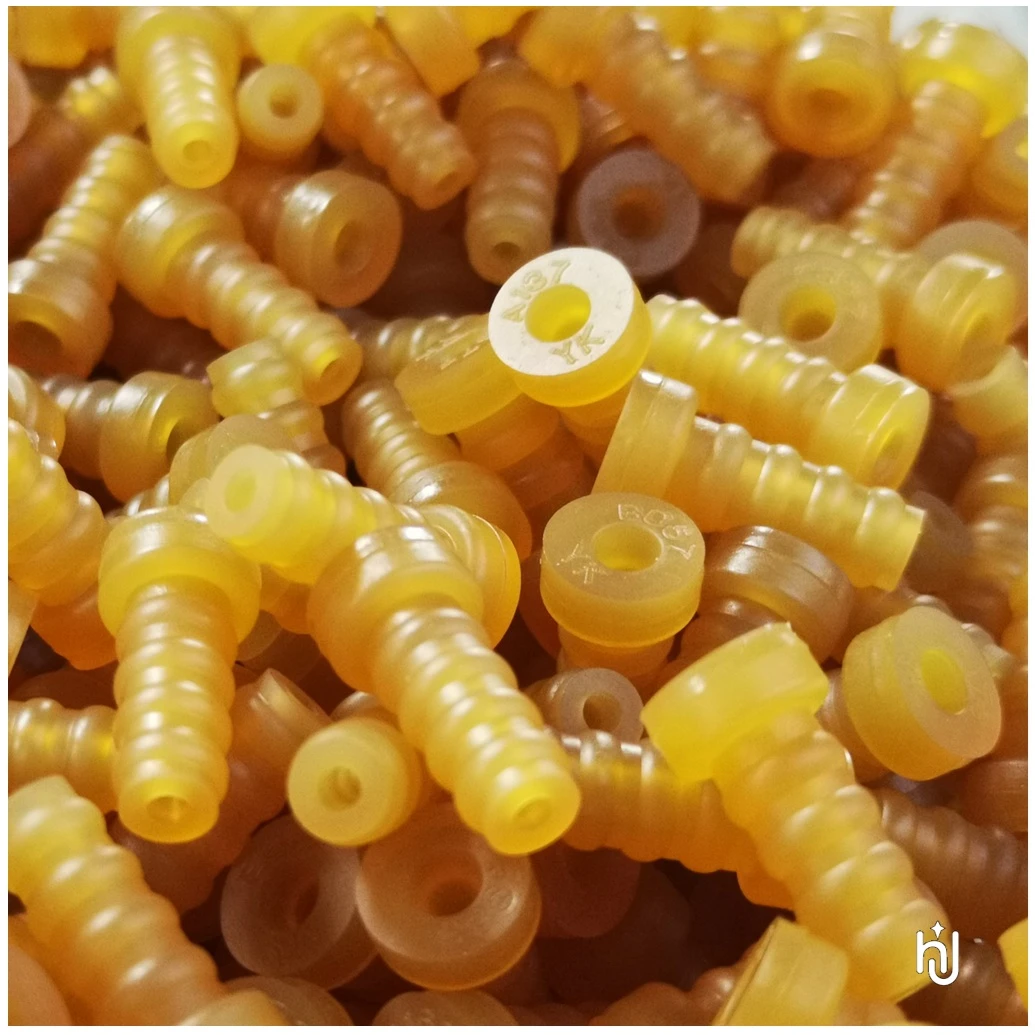
First, let’s get one thing straight—this is coming from someone who’s worked in silicone disposable manufacturing for 6 years, not some random influencer pulling info from a TikTok deep dive. For context, our team tests every single batch of silicone disposables for heat resistance before it even leaves the warehouse. We don’t cut corners here, and neither should you. That said, let’s start with the basics about silicone itself, because that’s where the confusion usually starts. Silicone is a synthetic polymer made of silicon, oxygen, carbon, and hydrogen—think of it like a super flexible, heat-resistant plastic that’s way different from the stuff your water bottle is made of. Unlike regular plastic, silicone can handle really high temps without melting, leaching weird chemicals, or releasing toxic fumes. Wait, but wait—what kind of temps? Let’s be specific, no vague claims here. Food-grade silicone (which is the only kind we use for our disposables) usually has a heat range of about -40°F (-40°C) all the way up to 500°F (260°C). That’s hotter than most home ovens ever get, right? Your standard oven maxes out around 500°F, and even self-cleaning modes only hit like 550°F for a short time. So technically, silicone can handle oven heat. But here’s the catch: it’s a disposable silicone product, not a reusable silicone baking mat or a silicone loaf pan. Disposables are thinner, lighter, made to be used once and tossed, not shoved in a hot oven for an hour.
Let’s circle back to Sarah’s situation—she used a silicone muffin liner (that’s one of our top sellers, FWIW) and popped it into a 350°F oven for 20 minutes to pre-warm before adding batter. Why did that scare her? She’d heard horror stories about silicone melting. But here’s the thing: the horror stories usually come from two places. Either someone used non-food-grade silicone (like that random silicone spatula you found at a dollar store that’s not marked for food use) or they cranked the oven way higher than the silicone can handle. For example, if you toss a cheap silicone disposable that’s only rated to 400°F into a 500°F oven, yeah, it’s gonna melt. But all our disposables are food-grade, so they’re rated for that 500°F max. That said, even with our stuff, we don’t recommend using them for long cooking sessions. Why? Because disposables are designed for single-use convenience, not repeated high-heat exposure. The thinner material means it can warp over time if you leave it in the oven for more than 30 minutes, and while it won’t leach chemicals (we test for that—no phthalates, no BPA, nothing sketchy), it might lose its shape. So you end up with a muffin liner that’s curled at the edges, or a silicone cup that’s not holding its form for your sauce, which defeats the purpose.
Wait, but what about the actual science behind oven safety? Let’s get nerdy for a sec, but keep it casual. When you heat silicone, the molecular structure of the polymer changes slightly at high temps, but only in a way that’s safe for food contact. The FDA has approved food-grade silicone for oven use, microwave use, dishwasher use—all that stuff. The key here is “food-grade.” Non-food-grade silicone is used for things like sealants, phone cases, or craft projects, and those can have additives that aren’t meant to touch food when heated. That’s why you’ll see a little “FDA Approved” or “Food Safe” stamp on our disposables—we don’t skip that step, and neither should you. Another thing: oven vs. other appliances. Silicone can go in the microwave, air fryer (wait, that’s another common question!), and even the freezer, but ovens are a different beast because they’re dry heat, and sometimes you’re using them for longer periods. Air fryers are usually shorter cook times, so that’s fine, but ovens are where we draw the line for disposables.
Let me give you a real example from our warehouse. Last month, a bakery client tested our 4-inch silicone sauce cups in a 375°F oven for 15 minutes to warm up their dipping sauces for a catering order. They did it once, worked great, no warping, no issues. But when they tried to do it three days in a row, the cups started to get a little floppy. They messaged us asking why, and we explained that disposables aren’t meant for repeated oven use—they’re for single sessions, like warming a batch of rolls for 10 minutes, or holding a pre-portioned side dish that goes in the oven for 20 minutes max. That’s the sweet spot. Longer than that, and even our top-tier disposables will start to break down a little.
Another common myth: if silicone gets hot enough, it releases toxic fumes. That’s only true if it’s burned. If you see smoke coming from your silicone, you went way over the 500°F max. That’s a user error, not a product flaw. We test our disposables at 550°F for 10 minutes to make sure they don’t burn, but we still tell customers to keep it under 500°F to be safe. Also, when silicone is heated properly, it doesn’t leach anything. We do migration tests every quarter—we heat our disposables in water at 500°F for an hour, then test the water for any harmful chemicals. The results are always zero, so that’s a big thumbs up from our end.
Now, let’s talk about when you should NOT use silicone disposables in the oven. First, if it’s not marked food-grade. We make sure all our products are clearly labeled, so if yours doesn’t have that label, don’t risk it. Second, if you’re using it for a long cooking session—like baking a lasagna for an hour in a silicone disposable pan. Reusable silicone bakeware is fine for that, but disposables? They’re too thin, so they’ll warp, and the edges might start to curl. Third, if you’re using it for high-temperature self-cleaning ovens. Those get way hotter than 500°F, even if it’s just for a short cycle. We don’t recommend putting any disposable in there, actually—too risky. Fourth, if you’re using it to hold acidic foods for long periods in the oven. Wait, what? Acidic stuff like tomato sauce or citrus can interact with some materials when heated, but food-grade silicone is resistant to that, right? Yeah, but to be safe, we still tell customers not to leave acidic foods in our disposables in the oven for more than 20 minutes. Just a precaution, no science disaster, but better safe than sorry.
Let’s circle back to Sarah—remember her from earlier? I got in touch with her after her panic DM. I told her she totally didn’t ruin her kitchen, just used a disposable liner for a little too long. Turns out she left the muffins in the oven for 45 minutes instead of 20, and the liner curled, not melted. I sent her a discount code for her next batch, and explained that if she only uses our disposables for short oven times (under 30 minutes), she’s golden. She ended up leaving another great review, saying she now uses the liners for warming her coffee in the microwave too, which works perfectly.
So, to sum this all up, no cap: yes, silicone disposables can be used in the oven—but only if they’re food-grade, rated for 500°F or lower, and used for short cook times (30 minutes max). If you’re gonna be baking for longer, grab a reusable silicone bakeware set (we sell those too, FWIW, for people who want the best of both worlds). If you’re just warming a side dish or prepping a quick cookie batch, our disposables are totally safe.
Now, a quick plug—wait, the point of this blog is to answer a question, right? So if you’re a restaurant owner, a home baker, a caterer, anyone who needs disposable silicone products that are safe for oven use, we’ve got you. We make all kinds: muffin liners, sauce cups, individual portion pans, even disposable baking sheets that are oven-safe for short times. Every batch is tested, food-grade, no sketchy additives. If you’re looking to stock up, or have more questions about oven safety for specific products, hit us up to chat. We’re not just a supplier—we’re here to help you use disposable silicone the right way, no mistakes, no panic DMs.
Oh, and one last quick tip: when you use silicone disposables in the oven, put them on a baking sheet first. That helps them stay flat, so they don’t warp as much. Sarah told me she started doing that after our chat, and she hasn’t had a curled liner since. Small hack, big difference.
medical components / parts References:
- U.S. Food and Drug Administration. (2023). Food Contact Substances: Silicone Polymers.
- American Chemical Society. (2022). Thermal Stability of Food-Grade Silicone Polymers for Consumer Applications.
- Silicone Manufacturers Association. (2021). Guidelines for Safe Use of Silicone Products in Ovens.
Guangdong Huaju Medical Technology Co., Ltd.
Guangdong Huaju Medical Technology Co., Ltd. is one of the most professional disposables in silicone manufacturers and suppliers in China, featured by quality products and good service. Please rest assured to buy bulk premium disposables in silicone made in China here from our factory.
Address: FLOOR 3-4-5, BLOCK B, ZHONGJING RD #12, ZHONGSHAN, GUANGDONG, CHINA 528437
E-mail: celia@endotra.com
WebSite: https://www.endotra.com/
