If you’ve ever grabbed a bag of cookies, a pack of sliced cheese, or a tray of pre-cut fruit from a grocery store, you’ve probably held matte CPP film without even knowing it. When I started as a matte CPP film supplier, I assumed it was just another “boring” packaging material—until I realized how many everyday food products rely on its low-gloss, flexible design. It’s not just a fancy alternative to shiny plastic; it solves specific problems that regular glossy films can’t, and it’s been a staple in food packaging for way longer than most people notice. Matte CPP Film
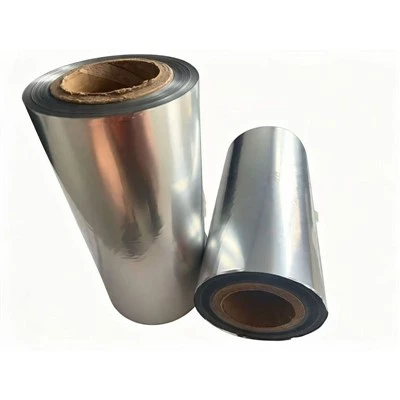
First, let’s break down what matte CPP (cast polypropylene) actually is, in case you’re new here. Unlike glossy CPP, which has a shiny, reflective finish, matte CPP gets its soft, non-glossy look from a texturing process during manufacturing—no extra coatings needed, most of the time. That texture also makes it way less slippery than glossy plastic, which is a huge win for food packaging. I’ve had customers tell me their packaging teams switched to matte CPP just because their staff kept dropping rolls of glossy film during setup, so small details like that add up fast.
Now, let’s get into the common food packaging uses, because that’s why we’re here. The biggest one, by far, is baked goods. Think about it: a cookie bag that doesn’t glare when you’re trying to check if the chocolate chips are still intact, or a loaf of bread wrapper that doesn’t show smudges from the bakery’s hands when it’s stacked on a shelf. Glossy film would make those smudges way more obvious, and customers might assume the bread or cookies are dirty—even if they’re totally fine. Matte CPP also has a subtle, “bakery-quality” feel that doesn’t scream “cheap plastic,” which makes it perfect for premium baked goods like artisanal sourdough loaves or gourmet pastries. It’s also heat-sealable, so it seals tight to keep stale air out, and it’s resistant to oil—so if a cookie has chocolate or a croissant has butter, the oil doesn’t seep through. That’s non-negotiable for baked goods; we’ve had a bakery client switch back to glossy film once and came right back to us because their customers were complaining about oil stains on the outer boxes of their cookie tins.
Next up: fresh produce and prepackaged fruit. I know what you’re thinking—“produce packaging is usually plastic clamshells or clear film, right?” But a lot of the pre-sliced fruit packs, like melon wedges or berries, use matte CPP for the overwrap. Why? Two big reasons: first, it’s not too see-through, but not completely opaque—you can still see the fruit inside, but it doesn’t show every little fingerprint or smudge on the packaging. If you’ve ever picked up a pack of sliced peaches and noticed how clean the bag looks? That’s matte CPP. Second, it’s breathable. Wait, plastic is breathable? Yeah, porous matte CPP lets tiny amounts of air circulate, which keeps produce from getting moldy too fast. Glossy film is less porous, so fruit would go bad in a day or two instead of three or four, which is a game-changer for grocery stores trying to reduce food waste. We also supply matte CPP for the shrink wrap on whole fruit, like apples or pears—again, the low gloss means it doesn’t glare under the produce section’s lights, and the tight seal keeps moisture from evaporating too quickly, so the fruit stays crispy.
Then there’s cheese packaging, both sliced and block. Sliced cheese packs are almost universally matte CPP these days, and for good reason. Sliced cheese has a tendency to stick together if it’s not packaged right, but the matte texture reduces friction between slices, so you can pull one slice off the stack without a mess. Also, cheese is high in fat, so matte CPP’s oil resistance keeps fat from leaching through the packaging and making the outer wrapper greasy. Block cheese, especially specialty stuff like aged cheddar or brie, uses matte CPP too. It’s lightweight, so it adds minimal weight to a block that’s already expensive, and it’s puncture-resistant—so if you’re pushing a cheese knife through a block, the film doesn’t tear open easily, which would let air in and spoil the cheese faster. One of our regular cheese clients told us they tested a competitor’s glossy film, and within a week, they had 120 returns from customers who said the cheese tasted “off” because the glossy film didn’t seal as well. That’s not something you want to deal with, so matte CPP is the safe bet here.
Candy and confectionery is another big use. Hard candy, lollipops, chocolate bars, and even gummy bears all use matte CPP for their packaging. The low-gloss finish looks sleek and premium, way better than the flimsy glossy plastic that used to be standard. Customers think it’s a higher-quality product, so they’re more willing to pay a little extra. It also keeps candy fresh: it’s moisture-resistant, so gummy bears don’t get sticky from absorbing humidity, and chocolate doesn’t get a whitish “bloom” (that’s when cocoa butter rises to the surface) because the film blocks moisture and light. Light is bad for chocolate, right? UV light can make it go rancid, and matte CPP has a slight natural UV filter—way better than clear glossy film, which lets almost all light through. We also do matte CPP for the twist ties on lollipops—again, the non-slip texture makes it easier to twist the ends tight, so the candy stays sealed. I remember a candy brand that switched to glossy twist ties and had 30% more open packages on store shelves; they couldn’t figure out why until they tried our matte ones. The texture made a huge difference in how tight the twist was.
Then there’s frozen food packaging, which people don’t talk about enough. Frozen veggies, frozen dinners, and even frozen pizza boxes use matte CPP as a liner or a wrapping. It’s cold-resistant—so it doesn’t get brittle or crack when it’s stored in a freezer, which is way more than I can say for some cheap plastic films. Glossy film often cracks after a few weeks in the freezer, letting freezer burn set in, but matte CPP stays flexible. It also repels moisture, so frozen food doesn’t get that “ice crystal” buildup on the outside that makes it look unappetizing. We supply matte CPP for the individual packs of frozen spinach, too—since spinach is leafy, the matte texture doesn’t catch on the leaves when you’re opening the package, so you don’t end up with a handful of broken spinach leaves instead of the whole bag. That’s a small thing, but customers notice when their frozen spinach is still intact.
Wait, let’s not forget about the niche uses that matte CPP is perfect for—like deli meat. Pre-sliced turkey, ham, and roast beef are almost always packaged in matte CPP film. Why? Deli meat is high in salt and moisture, so it can get slimy if the packaging doesn’t let a little moisture escape. Matte CPP is semi-permeable, so it lets excess moisture out without letting air in, which keeps the meat fresh for longer. Glossy film is too impermeable, so deli meat would get soggy in a day. Also, the matte finish doesn’t show the pink or red stains from the meat, which would make the packaging look messy. I’ve had a deli client tell me their customers used to complain about “dirty packaging” until they switched to matte CPP; now that complaint is gone.
Now, let’s address some common myths, because I hear this all the time. First, people think matte CPP is less durable than glossy film. No, not really—we test our matte CPP to be just as strong as glossy, if not more, because the texturing actually makes it more resistant to tearing. Second, people think it’s more expensive. Sometimes the upfront cost is a little higher, but when you factor in less spoilage, fewer returns, and less packaging waste (since it’s thinner than a lot of glossy films), it evens out. A lot of my customers tell me their bottom line went up 10% after switching, because they lost less food to bad packaging. Third, people think it’s hard to print on. Wait, no—matte surfaces actually hold ink way better than glossy ones. Glossier film can have ink smudges if it’s not dried right, but matte CPP’s texture grips the ink, so your brand’s logo and product info look crisp and don’t scratch off. That’s a huge plus for food brands that want their packaging to stand out—no more faded logos on the shelf.
As someone who’s been in the matte CPP film supply game for a while, I can tell you that the best part about this material is how versatile it is. It’s not one-size-fits-all, which is why we work closely with each customer to tailor the film’s thickness, porosity, and texture to their specific product. If you’re a bakery needing film that’s oil-resistant, we can adjust that. If you’re a frozen food brand needing cold-resistant film, we’ve got that. No matter what food product you’re packaging, there’s a matte CPP solution that fits.
At the end of the day, food packaging isn’t just about keeping food safe—it’s about making customers trust the product, and making it easy for retailers to store and display. Matte CPP checks both boxes. It’s not flashy, but it works. It’s flexible, durable, and solves problems that a lot of other packaging materials can’t. I’ve seen it keep cookies fresh for a week longer, prevent cheese from spoiling in transit, and make deli meat packaging look clean enough to display front-and-center.
If you’re a food brand looking to upgrade your packaging, or if you’re a packaging manager tired of dealing with spoiled goods and returns, I’m here to help. We customize matte CPP film for every food application, so you don’t have to settle for one-size-fits-all plastic. No matter what you’re packaging—baked goods, produce, cheese, candy, frozen food, deli meat—we can get you the right material to make your product look good and stay fresh. Hit us up to chat more about your needs, and we’ll walk you through all the options.
Biaxially-Oriented Polyethylene Terephthalate References
- Polypropylene in Food Packaging: Properties and Applications, 2022
- Matte Packaging Films: Market Trends and End-Use Case Studies, 2023
- Food Waste Reduction Through Improved Packaging Materials, 2021
- Cast Polypropylene Film Manufacturing: Process and Material Specifications, 2022
- Consumer Perception of Packaging Finish: Gloss vs. Matte, 2023
Qingzhou Huiyuan Packaging Materials Co., Ltd.
As one of the most professional matte cpp film suppliers in China since 1997, we’re featured by quality products and good service. Please feel free to buy cheap matte cpp film made in China here from our factory. For price consultation, contact us.
Address: Naoshan Industrial Park, Shaozhuang Town, Qingzhou City, Weifang, Shandong Province, China.
E-mail: 15864598133@163.com
WebSite: https://www.huiyuanfilms.com/
