If you’ve ever worked with fluid systems—whether at a manufacturing plant, a water treatment facility, or even an oil and gas site—you’ve probably heard someone throw around the term “high pressure ball valve” more than once. But let’s be real, when I first got into the ball valve supply game, I thought it was just a fancy name for a metal valve that’s extra tough. Spoiler: I was only half right. These aren’t your run-of-the-mill residential valves you’d buy at a hardware store for a backyard sprinkler. They’re workhorses built for when the pressure’s cranked way up, and one small leak or failure could shut down an entire operation. Today, I want to break down what they actually do, how they’re different from regular ball valves, and why if you’re in the market for one (or a whole set), you should work with a supplier who knows their stuff—yep, that’s us. Ball Valve
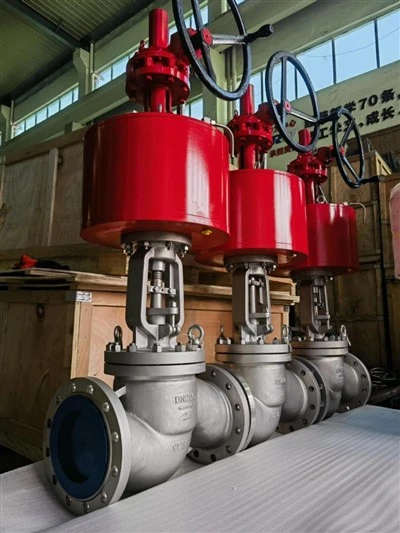
First off, let’s start with the basics: what makes a ball valve a ball valve in the first place? Unlike gate valves or globe valves that use a sliding disk to control flow, ball valves use a hollow, perforated sphere (that’s the “ball” part) inside a pipe’s body. Twist the valve handle a quarter turn, and the hole in the ball lines up with the pipe—flow opens up. Twist it another quarter turn, and the ball spins 90 degrees, blocking the pipe tight. It’s simple, right? No complicated moving parts, no grinding disks wearing out over time. That’s why ball valves have been a go-to for decades.
But when we slap “high pressure” on the front, everything changes. Regular ball valves are fine for low-pressure stuff—like a home’s gas line or a small industrial water line where pressure’s under 150 PSI or so. High pressure ball valves? These are built to handle way more. Like, we’re talking anything over 1,000 PSI, and some industrial-grade ones can go up to 15,000 PSI—think deep oil drilling, high-pressure steam systems, or even hydraulic lines for heavy machinery. The key here is that every single part of the valve is built to withstand that kind of force. You can’t just take a regular ball valve, crank up the pressure, and call it a day. It’d blow apart faster than a soda can left in a hot car.
So what makes a high pressure ball valve different from the standard ones? Let’s get into the nitty-gritty (no fancy jargon, I promise). First, the body material. Regular ball valves are often made of brass or cast iron, which works for low pressure. High pressure ones? We use way stronger stuff: stainless steel (316 stainless is super common because it resists corrosion, perfect for harsh chemicals), carbon steel, or even alloy steel for the extreme stuff. These materials don’t bend or warp when pressure spikes—even if the line hits a sudden pressure surge, like when a pump turns on or off.
Then there’s the sealing mechanism. Seals are everything with high pressure. If there’s even a tiny gap between the ball and the valve body, pressurized fluid will leak out—and that’s not just a mess, it’s a safety hazard. Regular ball valves use soft seals, usually PTFE (Teflon), which works great for low pressure but can get squished or damaged when pressure’s high. High pressure ball valves use a mix of soft and metal seals, or all-metal seals for the most extreme applications. Metal seals are way tougher—they don’t wear out as fast, can handle higher temps too, and they create a tighter, more pressure-resistant fit. Some also have what’s called a “floating ball” vs. a “trunnion-mounted ball.” Wait, that’s a good point to explain. Floating ball is what’s in most residential valves—the ball floats a little against the seals when closed, creating pressure. But at super high pressures, that floating ball can get pushed too hard, damaging the seals. So high pressure ones use trunnion-mounted balls—they’re supported at the top and bottom by metal pins, so they don’t move even when pressure’s cranked up. That’s a game-changer for durability and leak prevention.
Another big difference is the valve’s rating. Every ball valve has a pressure-temperature (P-T) rating, which tells you exactly how much pressure it can handle at a given temperature. For example, a standard ball valve might have a P-T rating of 1,000 PSI at 100°F, but a high pressure one could have a rating of 5,000 PSI at 100°F—and if the temp goes up, the pressure rating goes down, which is why that P-T balance is so important. If you mismatch those, you’re asking for trouble. I’ve seen customers come to us with a valve that worked for a year, then failed because they used a low-pressure valve in a high-temp, high-pressure steam line. Total shutdown cost them tens of thousands of dollars—way more than the cost of getting the right valve upfront.
Now, you might be wondering where these bad boys are actually used. Let’s name a few common spots so you can see why they matter. First, oil and gas—especially upstream drilling, where pressure thousands of feet underground is insane. They’re used on wellheads, pipelines, and processing equipment. Then there’s power generation—coal, natural gas, or nuclear power plants all have high-pressure steam lines that need valves that can handle constant, extreme pressure. Hydraulics for heavy construction equipment, like excavators or cranes, rely on high pressure ball valves too—hydraulic lines run at thousands of PSI, and if a valve leaks, the equipment stops working. Even chemical processing plants, where corrosive fluids are moved at high pressure, use these to keep everything contained.
Wait, can high pressure ball valves be used for other things too? Definitely. Some people use them in high-pressure waterjet cutting systems, which blast water at 40,000+ PSI to cut metal or stone. They’re also used in fire suppression systems that use high-pressure water or foam to put out large industrial fires. The key is, any system where pressure is higher than what a regular valve can handle, or where safety is non-negotiable, a high pressure ball valve is the way to go.
Now, let’s talk about what to look for when you’re shopping for one of these—because not all suppliers are equal, and not all valves labeled “high pressure” are actually built to last. First, make sure the valve’s rating matches your system’s requirements. Don’t just guess—get the exact pressure and temp specs from your engineering team or equipment manual, then cross-check with the valve’s P-T chart. Second, check the material. If you’re working with corrosive chemicals, you need a corrosion-resistant material like 316 stainless. If it’s just basic high-pressure water, carbon steel might work, but still make sure it’s rated for the pressure. Third, ask about the seal type. As I mentioned earlier, metal seals are better for extreme pressure and temps, while PTFE is fine for lower high-pressure applications. Fourth, work with a supplier that knows their stuff—we’re not just here to sell you a valve and forget about you. We’ll ask you questions about your system, your fluid type, pressure, temp, and make sure you get exactly what you need, not what we have in stock.
I should also mention a common misconception: people think high pressure ball valves are expensive, so they try to save money by buying a cheaper one, but that’s a false economy. A high-quality high pressure ball valve might cost a little more upfront, but if it lasts 10 years instead of 1, and prevents shutdowns that cost thousands, it’s worth every penny. We’ve had customers come back to us after buying cheap valves elsewhere that failed, and they say the peace of mind from our valves is way better than saving a few bucks initially.
Another thing that’s a big plus for high pressure ball valves: they’re super easy to maintain. Most of them have a top-entry design, meaning you can take the top of the valve off, inspect and replace parts like seals or the ball, without having to remove the entire valve from the pipe. That saves so much time and money on repairs—you don’t have to shut down the whole line for days to fix a valve. Just pop the top, swap out the worn parts, and you’re good to go in a couple of hours. That’s a huge benefit for any operation where downtime equals lost profit.
Wait, what about when to use a high pressure ball valve vs. another type of high pressure valve? Like, why not a gate valve or a globe valve? Gate valves are good for full flow, but they’re not designed for frequent operation—they can get stuck or leak if you open and close them a lot. Globe valves are better for regulating flow, but they have higher pressure drop, meaning they slow down the fluid, which can be a problem for high-pressure systems that need maximum efficiency. Ball valves, on the other hand, have low pressure drop, are quick to operate (quarter turn, remember?), and can handle frequent open/close cycles without wearing out too fast. So for most high-pressure applications where you need reliable, quick flow control, high pressure ball valves are the best pick.
Now, if you’re reading this and thinking, “Yeah, I need one of these for my operation,” or “I have a valve that’s not working right and I need to replace it,” don’t waste time with generic options. The right high pressure ball valve makes all the difference between a smooth-running system and a costly, dangerous headache. We’ve been supplying these valves for years, working with everyone from small fabrication shops to large energy companies, and we know how to match the right valve to your specific needs. Whether you need a single replacement valve or a whole batch for a new project, we’ve got you covered—we can even custom-build valves if your system has unique specs.
I get that sourcing industrial valves can feel overwhelming, with all the ratings and materials and jargon. That’s why we take the time to walk you through every step, answer any questions, and make sure you don’t end up with a valve that’s not fit for your job. No pushy sales stuff, no confusing fine print—just straight talk and quality products.

If you’re ready to get the right high pressure ball valve for your system, or just want to chat through what you need, reach out to our team. We’re here to help you avoid the mistakes I saw early on, and get a valve that works as hard as your operation does. Don’t wait until a valve fails mid-shift—be proactive, get the right equipment now, and keep your system running safely and efficiently.
Butterfly Valve References
- Valve Manufacturers Association of America. (2020). Pressure-Temperature Ratings for Industrial Valves. VMA Standards.
- API 6D. (2019). Specification for Pipeline Valves. American Petroleum Institute.
- ASME B16.34. (2021). Valves—Flanged, Threaded, and Welding End. American Society of Mechanical Engineers.
- Engineering Toolbox. (2023). Ball Valves – Pressure and Temperature Ratings. Retrieved from industrial fluid system design resources.
Zhejiang Poro Valve Manufacturing Co., Ltd.
With abundant experience, we are one of the most professional ball valve manufacturers and suppliers in China. We warmly welcome you to buy customized ball valve made in China here from our factory. If you have any enquiry about cooperation, please feel free to email us.
Address: PORO Ind. Park, Oubei Dongou Ind. Zone, Wenzhou, Zhejiang, China
E-mail: poro@cnporo.com
WebSite: https://www.cn-poro.com/
