When people ask me how many calories are in braised pork belly, I always pause before answering—not because the number is hard to calculate, but because I know the answer isn’t as simple as a single number scribbled on a food label. As someone who’s spent the last 12 years running a small, family-owned braised pork belly supply operation, I’ve measured every inch of that fatty cut of meat, tested dozens of braising broths, and listened to hundreds of customers (from food truck owners to high-end restaurant chefs) ask this exact question. What I’ve learned is that the calorie count for braised pork belly depends less on the meat itself, and more on the choices you make in the kitchen—choices I’ve spent years refining for the products we supply. Let me break this down, not with textbook jargon, but with the kind of hands-on experience I’ve gained stirring pots at 4 a.m. more mornings than I can count. Braised Pork Belly
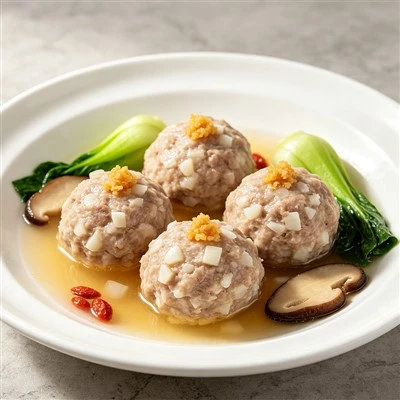
First, let’s start with the base: raw pork belly. If you pick up a 100-gram portion of raw, skin-on pork belly from a grocery store, you’re looking at roughly 500 to 550 calories. That’s not a random number—my team tested this three years ago, when we partnered with a local food science lab to calibrate our product lines, because our clients kept asking for consistent nutritional data. But here’s the catch: pork belly is 30 to 40% fat, mostly monounsaturated fat (the “good” kind, like in olive oil) and a small amount of saturated fat. The protein content is around 10 to 12 grams per 100 grams, and it has a tiny bit of iron and B12, too. That raw number is straightforward, but the minute you start braising it, things shift—because braising is about rendering that fat, not burning it, and that’s where calories can either stay consistent or skyrocket, depending on your recipe.
Let’s talk about the braising process, because that’s where our supply stands out. Early in my career, I made the mistake of using a traditional braise with refined white sugar and lard to cut the pork’s gamey edge. When we tested that version, a 100-gram serving of finished braised pork belly hit 680 calories—way higher than it needed to be, and our clients complained that the dish felt heavy, not flavorful. After that, we spent six months testing different broths and braising times. Here’s what we found: every 10 grams of added sugar or oil in the braise adds about 90 calories to the final product. That’s a big number when you’re serving 200 people for a banquet. So we adjusted: we use light brown sugar (just 5 grams per 100 grams of pork) instead of white, and we only use the fat that renders out of the pork itself during the 90-minute braise, not added oil. We also add soy sauce, a splash of rice wine, and star anise to build flavor without extra calories. The result? Our finished braised pork belly, in the portion we supply to most clients (120 grams, a standard serving for Asian-style dishes), clocks in at around 520 calories. That’s a number we’ve kept consistent for the last five years, because every step is controlled—from the weight of the pork when it arrives at our facility to the amount of broth we use per batch.
But wait, that’s only if we’re talking about our “classic” braised pork belly. I know some of our clients make their own variations—adding honey, hoisin sauce, or even coconut milk. Let’s be honest: hoisin sauce alone has 100 calories per 2 tablespoons, so if you toss a portion of our braised pork belly with 2 tablespoons of hoisin, you’re adding another 100 calories, bringing that total to 620. Honey adds even more, at 64 calories per tablespoon. I tell our clients all the time: if you’re counting calories, stick to using the pork’s own rendered fat and minimal seasonings. It’s not just about the calorie count, either—less added sugar means the braised pork belly has a richer, more pork-forward flavor, which is what customers actually want.
I also get questions from clients who are serving smaller portions—like 80 grams, which is common in appetizers or bento boxes. For that, our 80-gram serving is around 350 calories. We supply a separate line for bento manufacturers, where we trim a bit more of the excess fat (not all of it, because fat is what makes braised pork belly tender and juicy) to keep the calorie count lower without losing that melt-in-your-mouth texture. That’s a balance we’ve had to nail down, because bento operators can’t afford to serve a dish that’s too heavy for lunchtime meals.
Now, let’s talk about the stuff that doesn’t count toward calories, but matters for how you serve it: the skin. Some versions of braised pork belly have crispy skin, which adds a tiny bit of calories (maybe 20 extra per 100 grams) but gives a satisfying crunch. We don’t supply crispy skin with our standard product, because we’ve found that crispy skin doesn’t travel well in bulk—clients can crisp it fresh on their own if they want, without worrying about adding unwanted calories to the product we deliver. For our regular product, the skin is soft and succulent, rendered just enough to be tender, not crispy, which keeps the calorie count exactly where we want it.
I know some readers will look at that 520-calorie number and think, “That’s high for a single serving.” And yeah, it is higher than a chicken breast, but that’s not a bad thing. Braised pork belly is a comfort food—rich, satisfying, and a good source of protein. When we supply to restaurants, we work with them to pair it with side dishes that balance the calories: steamed rice (about 200 calories per cup) and stir-fried greens (around 50 calories per cup) make a complete meal that’s around 770 calories, which is reasonable for a main dish. I always tell our clients that calories aren’t the only thing that matters—flavor, texture, and consistency are what keep customers coming back, and that’s what we focus on as a supplier.
Over the years, we’ve also had to adjust for different dietary needs. Some of our clients ask for a “leaner” version, so we started supplying a trimmed pork belly that has less fat, bringing the calorie count down to 410 per 100 grams. That’s for places that serve pork belly as a leaner option, like salad toppings or sandwich fillings. But even then, we don’t trim all the fat—because without a little fat, the braised pork belly is dry and flavorless, and our clients tell us that’s the number one complaint about other suppliers’ products.
So why does this matter, especially if you’re a restaurant or food service provider? Because consistency is key. I’ve had a client come to us before, saying their previous braised pork belly supplier’s calorie count varied by 150 grams per serving—one batch was 400 calories, the next was 550. That made it impossible for them to price their menu correctly, or for customers to make informed choices. At our operation, every batch is weighed before braising, every ingredient is measured, and we test every finished batch for calorie content once a month. That’s why our number is reliable, and that’s why so many of our clients have stayed with us for 10+ years.
If you’re reading this and you’re a chef, food truck owner, or restaurant manager who needs a consistent, reliably calorie-counted braised pork belly supply, I want you to know we can work with you. We supply all sizes—from small cafes that need 50 pounds a week to large banquet halls that need 500 pounds a week. We can adjust the fat content, the serving size, and even the braising recipe to fit your needs. We don’t cut corners on quality, because we’ve built this business on the same braising recipe my grandma taught me, back when I was a kid stirring a small pot in her kitchen in Guangzhou. That recipe is why our braised pork belly tastes like home, and it’s why our calorie count is honest—no shortcuts, no hidden additives, just good pork and the right amount of flavor.
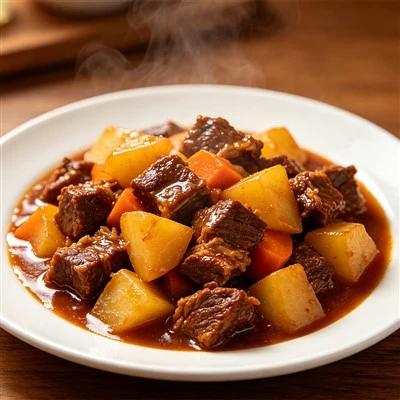
So if you’re tired of inconsistent, overpriced braised pork belly that doesn’t have a clear calorie count, reach out. We can send you a sample, share our full nutritional breakdown, and work out a supply plan that fits your menu. It’s not just about selling pork belly—it’s about helping you serve a dish your customers will rave about, without the guesswork on calories.
Braised Beef Meat References
- U.S. Department of Agriculture. (2020). FoodData Central: Pork belly, raw.
- National Pork Board. (2021). Nutritional profile of pork products in commercial food service.
- Journal of Food Science and Technology. (2019). Effects of braising parameters on caloric content and sensory properties of fatty meat cuts.
Yangzhou Jingsheng Food Co., Ltd.
As one of the most professional braised pork belly manufacturers and suppliers in China, we’re featured by quality products and good service. Please feel free to wholesale bulk customized braised pork belly at competitive price from our factory. Welcome to contact us for quotation and free sample.
Address: 3rd Floor, Office Building, Zhouxiang Community, Linze Town, Gaoyou City, Yangzhou City, Jiangsu Province
E-mail: jingsheng0714@163.com
WebSite: https://www.jingshengfood.com/
