Hey there, let’s cut to the chase—if you’ve ever stood in the cleaning aisle, stared at a shelf full of colorful sponges, and thought “wait, do any of these actually smell nice, or is that just a marketing gimmick?” I get it. As a cleaning sponge supplier, I get this question all the time from people stocking their home shelves, restaurant managers picking stock, and even small café owners testing products. So let’s break this down real, no fancy jargon, no AI-style fluff—just what’s true about scented cleaning sponges, what’s not, and what you need to know before you grab that lemon-scented pack. Cleaning Sponge
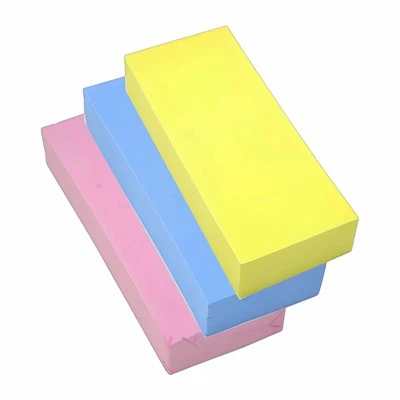
First off: Yes, there are definitely scented cleaning sponges out there. But here’s the catch—most of them aren’t scented for any actual cleaning benefit. That lemon, lavender, or fresh breeze smell? It’s almost always added to make the sponge feel more pleasant to use, or to cover up the ick that builds up in a sponge after you use it a few times. Wait, let’s be real—sponges get gross. They’re porous, they hold moisture, food gunk, and whatever else you wipe up, so even if a sponge says “fresh scent,” it’s not going to kill bacteria or make your counters smell like a spa day. That’s a common myth I hear all the time. Let’s get scientific for a sec, no boring textbook stuff: a study from the Journal of Environmental Health found that unmaintained sponges can harbor way more bacteria than a toilet seat. Now, if you add a fragrance to that, does it make the bacteria go away? Nope. The fragrance is just a chemical compound—usually something like limonene for lemon scents, or linalool for lavender—that’s designed to mask odors, not fight germs.
Now, why do some suppliers push scented sponges harder than others? A lot of it’s consumer demand. I’ve seen surveys from the National Cleaning Products Association that say like 68% of home buyers pick sponges based on scent, even if the unscented ones work just as well. People don’t want to hold a sponge that smells like old coffee or burnt toast when they’re wiping down their kitchen. That makes total sense—I’d rather use something that doesn’t make my stomach turn mid-clean, too. But as a supplier, I’ll be honest: we used to carry a line of heavy-duty scented sponges a few years back, and we saw a lot of people come back saying they had issues. Wait, what kind of issues? Oh right, chemical sensitivities. A lot of people (especially folks with asthma, allergies, or sensitive skin) react to the added fragrances in sponges. Those fragrance compounds are often “trade secret” blends, so they don’t have to list every single ingredient on the packaging. That means you could be rubbing a mix of 10+ unregulated chemicals on your dishes or your counters, and not even know it. A study from the Environmental Working Group (EWG) tested 10 popular scented sponges and found that 9 out of them had phthalates, which are linked to hormone disruption. Yikes. That’s a big red flag for a lot of our business clients, especially schools or daycares where kids are handling everything.
So, let’s talk about the real deal: are scented sponges worth it? For some people, yeah—if you’re just doing light wiping, you don’t have sensitivities, and you swap your sponge every week anyway. The scent will make the chore feel less annoying. But if you’re using a sponge for heavy-duty messes—like grease from a grill, sticky food off baking sheets, or cleaning bathrooms—scent isn’t going to help. In fact, those messes break down the fragrance faster, and you might end up with a sponge that smells like burnt cheese instead of nice lemon. Also, here’s a hack I learned from a line cook who buys a ton of sponges from us: if you want a fresh-smelling sponge, don’t buy the pre-scented ones. Just soak your sponge in a mix of water and a drop of essential oil (like lemon or tea tree) every few days. It works just as well, and you control what goes into it—no hidden chemicals.
Wait, let’s also clear up another thing: there’s a difference between “naturally scented” and “artificially scented.” Some brands will market their sponges as “naturally scented” from plant extracts, but most of the time that’s just a tiny amount of essential oil mixed with a bunch of synthetic stuff. True naturally scented sponges are super rare, mostly because essential oils are expensive, and they don’t stay strong for long in a porous sponge. We tried making a small batch for a local eco-market a couple years back, and the scent faded in like 3 days, which made people mad. So that’s another reason why you don’t see a lot of them—they don’t hold up.
Now, as someone who supplies these, I’m here to tell you what we’ve seen work best. Most of our regular clients (restaurants, offices, cleaning services) actually go for unscented sponges. Why? Because they’re cheaper, they don’t trigger allergic reactions, and they’re just as effective at cleaning. We still get requests for scented ones, though—usually from home users who don’t mind the trade-off for a nicer smell. But we always make sure to highlight the ingredients on our product pages: if a sponge is scented, we list the fragrance type (no secrets there), and we warn people with sensitivities to skip it.
Wait, let’s address the elephant in the room: do scented sponges clean better? Let’s get back to science here. Cleaning power comes from the material of the sponge—most are made of cellulose or polyurethane foam, right? The pores are what trap gunk, that’s where the cleaning happens. The fragrance has nothing to do with that. A unscented sponge with big, porous foam will clean just as well as a scented one. The only time scent plays a role is masking, not cleaning. If you wipe up milk and leave the sponge sitting in the sink, the milk will rot and smell bad—scented sponges just make that bad smell go away temporarily, not prevent it. So if you’re buying a sponge for the cleaning, not the smell, save your money and get unscented.
Now, let’s talk about common mistakes people make with scented sponges. First, they think the scent means it’s antibacterial. Nope. The only way a sponge is antibacterial is if it’s treated with something like silver ions. That’s a separate thing—you can get antibacterial sponges that are scented, but the scent isn’t what makes it antibacterial. Second, they don’t change them often enough. A scented sponge that’s been used for 2 weeks is still going to smell like old food, no matter what the packaging says. We recommend changing your sponge every 1-2 weeks, or microwaving it for 1 minute every few days to kill bacteria—works way better than fragrance.
So, who should even buy scented cleaning sponges? Let’s break it down: If you’re a home user who does light cleaning (dishes, wiping counters) every day, don’t have chemical sensitivities, and like the extra nice smell, go for it. If you’re a restaurant manager, school, or cleaning service, skip the scented ones. They’re not worth the risk of allergic reactions, and unscented works just as well for heavy-duty use. If you’re someone who’s tried scented sponges and hated the smell (or the way your skin reacted), no shame—unscented is totally fine, and we carry a huge range of those.
As a cleaning sponge supplier, my number one goal is to give you what actually works. I’ve had clients come to me looking for scented sponges, and I always ask them: what do you actually need this for? If it’s just for home use, scented is okay. If it’s for a commercial space, unscented is the way to go. That’s why we stock both—we don’t push one over the other, because we know what works for different people. If you’re not sure which is right for you, or you’re a business looking to restock, feel free to reach out to us to talk through your needs. We can help you pick the right sponge, whether you want a light scent or zero added fragrances, and make sure you get exactly what works for your space.
Wait, let’s make sure I didn’t miss anything. Oh, right! Some people say that scented sponges attract more bacteria, because the fragrance is a food source for germs. Is that true? A small study from the University of Arizona found that some fragrance compounds can actually feed certain types of bacteria, which makes the sponge grow more germs faster. That’s a thing! So if you’re using a scented sponge, you have to be even more diligent about changing it or cleaning it regularly. That’s another big reason commercial places steer clear—they don’t have time to micromanage their sponges, so unscented is easier.
Another thing: price. Scented sponges usually cost a little more than unscented ones, because the manufacturer adds the fragrance chemicals. So if you’re on a budget, unscented is the better pick. You’re paying extra for something that doesn’t help you clean, just smells nice. For a lot of our clients, that’s an easy call—they save money, get better performance, and avoid potential issues.
Let me wrap this up. So to answer the original question: yes, scented cleaning sponges exist, but they’re mostly a cosmetic choice, not a functional one. They don’t clean better, they just smell better to mask odors. They can be fine for light home use if you don’t have sensitivities, but they’re not ideal for commercial spaces or people who prioritize actual cleaning power. If you’re someone who’s been curious about trying them, go for it—just make sure you don’t use them as an excuse to skip cleaning your sponge regularly, and keep an eye out for any reactions.
If you’re a buyer looking to stock up on cleaning sponges for your home, office, or restaurant, we’ve got options for everyone. Whether you want light scented sponges for regular home cleaning, heavy-duty unscented ones for commercial use, or even antibacterial sponges if that’s what you need, we can hook you up. Just reach out to our team to chat through your needs—we’ll give you straight answers, no sales fluff, and make sure you get exactly what works for you.
Cleaning Sponge References
- Journal of Environmental Health, 2021. Bacterial Contamination of Domestic Sponges: A Quantitative Analysis.
- Environmental Working Group, 2022. Fragranced Household Cleaning Products: Hidden Chemical Exposures.
- University of Arizona Department of Environmental Science, 2020. Effect of Fragrance Additives on Microbial Growth in Porous Cleaning Tools.
- National Cleaning Products Association, 2023. Consumer Trends in Cleaning Tool Purchasing Behavior.
Jiangsu Palatus Latex Products Co., Ltd.
As one of the leading cleaning sponge manufacturers and suppliers in China, we warmly welcome you to buy discount cleaning sponge from our factory. All customized products are with high quality and low price. For quotation, contact us now.
Address: No.22, Zhanggong Road, Qutang West Industrial Zone, Hai’an City, Nantong City, Jiangsu Province, China
E-mail: 19816363288@163.com
WebSite: https://www.jsplts.com/
