As a walking tractor supplier with over 18 years in the equipment industry, I get dozens of questions every week from farmers, landscapers, and small construction crews across the Midwest. One of the most common – and most misunderstood – is: Can a walking tractor be used for trenching? When I first started in this business back in 2005, I’d fielded this query only a handful of times, mostly from small-scale vegetable growers who needed to dig rows for their crops. Now, with more people shifting to small-scale construction, residential landscaping, and even urban farming, that question has become central to our work. Today, I’m breaking down the science, the practicality, and the real-world uses of walking tractors for trenching – straight from someone who sells, services, and sees these machines in action every single day. Walking Tractor
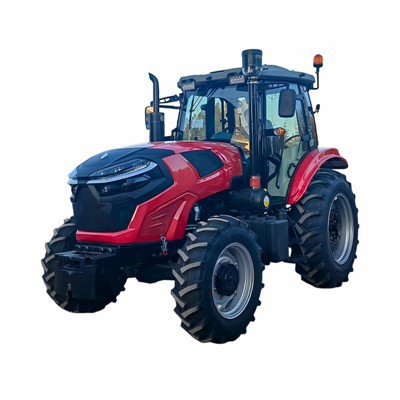
First, let’s get clear on what a walking tractor actually is, because there’s a lot of misinformation floating around. A walking tractor (often called a “power tiller” in North America, though we keep the traditional name for its versatility) is a self-propelled, two-wheeled machine operated by a person walking behind it, unlike a large four-wheel tractor with a cab. What makes it unique, and why it’s capable of so many tasks, is its modular design: most models come with quick-attach implements that let you switch from tilling soil to plowing, seeding, harvesting, and yes – trenching. That modularity is why our customers love walking tractors for multiple jobs. But can that translate to effective trenching? The short answer is yes, but with a lot of nuance that depends on the machine, the attachment, and the job you’re trying to do.
Let’s start with the science of trenching for small-scale projects, because that’s where walking tractors shine. Trenching isn’t just digging a hole; it’s creating a narrow, straight channel with consistent depth and width – usually for laying water lines, electrical conduits, drainage pipes, or small irrigation lines. For jobs that need trenches between 6 and 18 inches deep and 4 to 12 inches wide, a walking tractor-mounted trencher is perfectly capable. The key here is that walking tractors deliver enough power to drive a trencher attachment through compacted soil, clay, and even light rocky ground – as long as you match the right machine to the job.
A lot of first-time buyers make the mistake of thinking all walking tractors can handle trenching, and that’s where we see problems. I’ve seen a customer pick up a 5-horsepower basic walking tractor, load a trencher attachment, and get stuck within 10 minutes on a small residential lot with heavy clay soil. Why? Power isn’t the only factor – traction and weight matter just as much. A walking tractor needs enough rear weight to keep the drive wheels from slipping when the trencher bit is engaged, because slipping wastes power and can damage the machine or the trench itself. That’s why we recommend models with at least 8 horsepower for trenching; these machines have reinforced gearboxes, larger drive tires, and built-in weight brackets that let you add counterweights to keep traction high. Last year, a landscaper from Des Moines came to us after a bad experience with a smaller machine; he swapped his 6-horsepower model for an 8-horsepower one, and now he digs 12-inch deep trenches for 500 feet of electrical line in half the time it used to take him.
Next, let’s talk about the trencher attachments themselves, because even the best walking tractor won’t work with a bad or mismatched attachment. There are two main types of trenchers made for walking tractors: chain trenchers and disk trenchers. Chain trenchers are the most common, especially for small-scale jobs. They have a linked chain with digging teeth that rotate horizontally, cutting through soil as the machine moves forward. Disk trenchers, on the other hand, use a sharp circular disk with teeth that carve out the soil. For most residential and small commercial jobs, chain trenchers are the better choice: they create a cleaner trench edge, are easier to adjust for depth, and work well in mixed soil types. Disk trenchers are better for very hard, compacted soil, but they can leave rougher trench walls that need extra smoothing, which adds time to your project.
I always tell customers to match the attachment’s width and depth range to their job needs. If you’re digging a trench for a 4-inch drainage pipe, a 6-inch wide trencher is perfect – it’s narrow enough to minimize soil disturbance, but wide enough to let the pipe fit easily. For electrical conduits, which are often 1 to 2 inches wide, you can even get a narrow 4-inch trencher, which reduces the amount of soil you have to move later. Depth is another key point: most chain trenchers for walking tractors max out at 24 inches, which covers 90% of the small trenching jobs our customers handle. If you need deeper trenches – say for a large irrigation system or a foundation footer – a walking tractor trencher might not be the right fit, but for the vast majority of people asking about this, 12 to 18 inches is all they need.
Now, let’s get into the real-world practicality of using a walking tractor for trenching, because there’s a big difference between a machine that works on paper and one that works on a job site. The biggest advantage here is maneuverability. A large four-wheel tractor with a trencher attachment can’t fit through narrow gates, between existing garden beds, or around backyard trees – but a walking tractor can. Last spring, I worked with a family-owned vegetable farm in Ohio that needed to dig 300 feet of trenches between raised beds to install a drip irrigation system. Their 100-horsepower tractor was too big to navigate the 3-foot wide paths between beds, but their 9-horsepower walking tractor with a 6-inch trencher attachment fit perfectly. They finished the job in 3 hours, whereas a smaller crew digging by hand would have taken two full days. That’s the kind of return on investment that makes walking tractors so valuable for small operations.
Another practical benefit is cost. A walking tractor with a trencher attachment costs a fraction of a dedicated small trencher machine – usually between $2,500 and $4,500, compared to $8,000 to $15,000 for a dedicated walk-behind trencher. For someone who only needs to trench once or twice a year, or who uses their machine for tilling, plowing, and other tasks the rest of the time, that’s a huge difference. We had a landscaper from Indianapolis tell us he saved over $10,000 by buying a walking tractor instead of a dedicated trencher; now he uses the same machine to till his own backyard garden in the summer, plow a small snow path in the winter, and do all his trenching work. The versatility is unbeatable.
Of course, there are limitations, and it’s important to be honest about those, because no machine is right for every job. Walking tractors aren’t designed for high-volume, large-scale trenching. If you’re digging 1,000 feet or more of trench, a dedicated ride-on trencher will be faster and more efficient. Also, if you’re working in soil with large rocks, roots larger than 2 inches, or extremely heavy clay, you might run into issues – though a good quality chain trencher can handle small to medium rocks and roots, as long as you’re not forcing the machine. We always recommend testing the machine on a small section of your job site first before starting a large project; that way, you can adjust the depth, speed, and even the number of counterweights if needed.
I also want to talk about safety, because that’s something we prioritize more than anything as a supplier. Walking tractors are safe when used correctly, but trenching requires attention. Always wear proper safety gear: steel-toe boots, gloves, ear protection, and safety glasses. Never leave the machine running unattended, and make sure to disengage the trencher when you’re moving the machine between job sites. If you’re working near utility lines – water, gas, electrical – always call your local utility company to mark the lines first; that’s a rule we drill into every customer before they take a trencher attachment home. We include a full safety manual with every machine, and our service team is always available to walk through proper operation with new buyers.
Over the years, I’ve heard a lot of customers say, “I thought I’d have to hire a contractor for trenching, but my walking tractor does the job perfectly.” That’s why we’ve spent so much time developing trencher attachments and matching machines to the right jobs – because that’s what our customers need. Whether you’re a small-scale farmer, a residential landscaper, a homeowner working on a backyard project, or a small construction crew, a walking tractor can absolutely be used for trenching, as long as you choose the right machine, the right attachment, and understand its limitations.
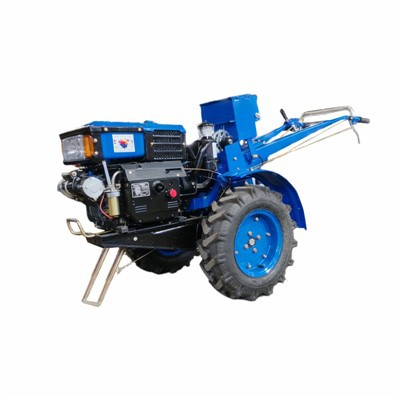
If you’re in the market for a walking tractor and a trencher attachment for your next project, we’re here to help. We carry a range of models from 7 to 12 horsepower, all designed with reinforced gearboxes and weight brackets ideal for trenching, and our trencher attachments are compatible with every machine we sell. Our team can help you figure out exactly what you need based on the size of your trenches, the type of soil you’re working with, and how often you’ll use the machine. Whether you have questions about power requirements, attachment compatibility, or operation tips, we’re ready to walk through it with you. Reach out to our team to discuss your trenching needs and find the right walking tractor setup for your project.
Walking Tractor References
- American Society of Agricultural and Biological Engineers. (2019). Performance Standards for Small Tractor-Implement Systems. ASABE Standards.
- National Agri-Marketing Association. (2021). Versatile Power Equipment for Small-Scale Agricultural Operations. Agricultural Equipment Industry Report.
- Occupational Safety and Health Administration. (2020). Safety Guidelines for Walk-Behind Construction and Agricultural Equipment. OSHA Safety Publication.
- Midwest Small Farm Resource Center. (2022). Implement Compatibility for Walking Tractors and Power Tillers. Small Farm Technical Bulletin.
Shandong Ling Ke Industry Group Co., Ltd.
As one of the most professional walking tractor manufacturers and suppliers in China, we’re featured by quality products and good price. Please rest assured to buy cheap walking tractor for sale here from our factory. We also accept customized orders.
Address: 50 Meters West of the Connecting Road Between Jiuma Road and Shima Road, Fangzi District, Weifang City, Shandong Province, P.R.China
E-mail: aileenlin@sdlingkegroup.com
WebSite: https://www.lingketractor.com/
