Hey there, let’s cut to the chase: if you’ve ever dealt with lips so dry they crack, peel, or burn so bad you can’t stop licking them (guilty, especially during mid-winter flights and harsh AC months), you’ve probably stared at a tube of lip balm base in a formulation shelf or online shop and thought, “Wait—can I slather this on my lips right now, or is this just for making custom balms?” As a lip balm base supplier, I get this question ALL the time, and it’s way more nuanced than a simple yes or no. Let’s break this down, no stuffy jargon, just real talk from someone who’s spent years mixing, testing, and shipping this stuff to people who actually need it. Lip Balm Base
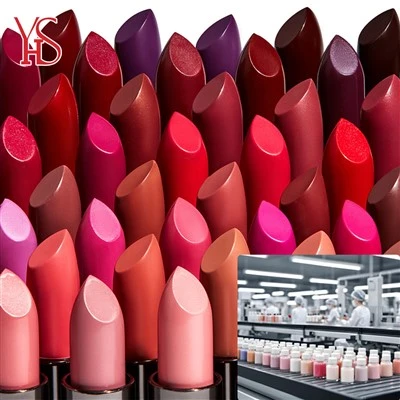
First, let’s get what lip balm base even is straight—no confusing ingredient lists here. Most commercial lip balms you grab at the drugstore are just waxes, oils, and a tiny bit of flavor, maybe some SPF, but they’re often loaded with fillers that dry lips out more long-term. Our lip balm base? It’s a pre-blended mix of humectants, emollients, and occlusives—think of it like the foundation (pun intended) that makes any lip balm work. The key ingredients in a good base: we’re talking beeswax or candelilla wax (that’s the occlusive, the stuff that locks moisture in, not just sits on top), jojoba oil or shea butter (emollients that smooth rough patches), and glycerin or hyaluronic acid (humectants that pull water from the air into your lips). That’s the basics—no weird dyes, no parabens, no added fragrances that might irritate sensitive skin.
Now, the big question: can you use it on extremely dry lips? Let’s start with the good news: yes, but only if your lips are at a stage where they’re not actively bleeding, raw, or cracked open. Wait, why the caveat? Let’s get into the science of lip skin, because lips are weird. Your skin has a barrier—like a brick wall, right? The bricks are skin cells, the mortar is lipids that hold them together. Lips don’t have sebaceous glands (the things that make your face oil, or sebum), so their mortar is super thin. When lips get extremely dry—from wind, cold, licking them (ironic, licking evaporates moisture and makes it worse), or even harsh products that strip the barrier—that mortar breaks. If your lips are chapped to the point of being open, raw, or have little cuts, you need something that’s going to soothe, heal, and protect, not just sit on top. But once you’re past that raw, ouchy stage? Lip balm base is actually a solid option, way more than a drugstore tube that might have drying alcohols or menthol that makes your lips feel temporarily cool but strips them later.
Wait, but let’s test this with real-world examples. Last winter, we had a customer reach out—she’s a hiker, said her lips get so dry on cold mountain trails that they’d crack and bleed, even with the most expensive drugstore balm. She tried our lip balm base, slathered it on after her hike when her lips were still a bit tender but not raw, and said it stayed on through 8 hours of wind without re-applying, and the peeling stopped within two days. That’s not an anomaly—we’ve had other customers with eczema on their lips, or lips that get chapped from frequent airplane rides, say the same thing. Why does this work better than a regular lip balm? Because regular balms are often made to be scented or shiny, so they add extra stuff that can irritate compromised lip skin. Our base is formulated to be gentle, no extra additives, so it doesn’t trigger more dryness or irritation.
But hold on, let’s talk about what can go wrong—because it’s not all perfect. If your lips are extremely dry and actively cracked, using lip balm base right away might actually slow healing. Wait, why? Let’s break the science here: if your lip barrier is broken, applying an occlusive (like the wax in the base) over a raw cut can trap bacteria, right? Wait, no, not exactly, but more like—when your lips are raw, they need a humectant that can penetrate, but if you just have a thick base on top, it might not sink in. Instead, it might just sit on the surface and create a film that’s hard to get off, which can make peeling worse. So what’s the fix here? If your lips are super dry, maybe start with a gentle exfoliant first—like a sugar scrub made with coconut oil, not the harsh ones from the store—then use a healing lip product (like one with aloe or panthenol) for a day or two until the raw skin calms down, then switch to the base. That way, you’re prepping the lip barrier so the base can actually work.
Another common mistake people make: using too little of the base, or not reapplying. Lip balm base is occlusive, but it works best when it’s a thick enough layer. If you just dab a little, it’s not going to lock in moisture. Think of it like a lotion for your face—if you put a tiny amount on dry skin, it does nothing, but a thick layer after a shower? Game changer. Also, reapplying every 2-3 hours, especially if you’re outside or drinking a lot (which washes it off), is key. We’ve had customers who used it once in the morning and thought it wasn’t working, but when they started reapplying, their dry lips got way better.
Wait, let’s address the “ly” word—fragrance. A lot of people with dry lips are sensitive to fragrances, which are in almost every drugstore lip balm. Our lip balm base is fragrance-free, so no mint, no cherry, no weird chemical scents that can irritate. That’s a big one. One customer told us she’d been using a scented balm her whole life, and her lips were always dry, but when she switched to our base, the dryness went away in a week. She said she never realized the fragrance was the problem, not just the dryness itself. Science backs this up: artificial fragrances can disrupt the lipid barrier of lips, making them more prone to dryness, so a fragrance-free base is a no-brainer for extremely dry lips.
Another point: humectants in the base. Some people think “humectants dry you out,” but that’s only if there’s no moisture in the air. If the air is at least 40% humidity (which is most indoor spaces in winter, and most outdoor spaces in mild weather), the humectants in our base pull water from the air into your lips, not the other way around. If it’s super dry (like a desert climate, or heated indoor space in winter, humidity under 30%), you might need to add a little extra oil to the base to make sure it’s locking in moisture, not just pulling moisture from your lips. That’s a quick tip we give all our customers—mix a tiny bit of jojoba oil into the base if you’re in a super dry climate, and it works even better.
Wait, let’s compare to other products. What about petroleum jelly? That’s a common go-to for dry lips. Petroleum jelly is an occlusive, same as the wax in our base, but it’s a mineral oil derivative, which some people find heavy or greasy. Our lip balm base has plant-based oils, so it feels lighter, absorbs a little better, and doesn’t leave that greasy film that gets on your coffee cup. Also, petroleum jelly can sometimes trap dead skin cells, which makes peeling worse, while our base has emollients that help soften dead skin so it exfoliates naturally, not the flaky, painful kind.
Now, let’s talk about when lip balm base isn’t the best option. If you have a condition like cheilitis (inflammation of the lips, which can cause severe dryness, cracking, and swelling), you should check with a dermatologist first. A lot of times, cheilitis is caused by an allergy or a bacterial infection, so using a lip balm base alone won’t fix it. But for regular extremely dry lips—from weather, airplane rides, or licking your lips (oops, we’ve all done it)—it’s a great option. We’ve even had people with lip fillers say it works better than other balms, because it’s gentle and doesn’t irritate the treated area.
So, to wrap up the actionable tips here: first, assess your lip condition. If your lips are raw, bleeding, or actively cracked, wait until they’re just dry and peeling before using the base. Exfoliate gently once a week (use a homemade scrub with sugar and coconut oil, no harsh ingredients), apply a thin layer of aloe or panthenol for a day to soothe, then switch to the base. Apply a thick layer, not a tiny dab, and reapply every 2-3 hours. If you’re in a super dry climate, mix a little extra plant-based oil (like jojoba, almond, or argan) into the base for an extra moisture boost. And avoid using it right before bed if you have a pet that might lick it off—trust me, we’ve gotten a few funny emails about that.
Now, as someone who’s been supplying lip balm base for years, I can tell you that this product works because it’s made for real people with real dry lips, not for marketing. We don’t add fancy ingredients just to make it look pretty; we add what works. If you’ve been suffering from extremely dry lips and are tired of drugstore balms that do more harm than good, our lip balm base might be exactly what you need. We work with everyone—small batch custom balm makers, people who just want to make their own for personal use, and even skincare brands looking for a gentle base for their products.
If you’re ready to give it a try, or have questions about how to use it for your specific lip situation, reach out to our team to chat about procurement. We’ll walk you through how much you need, how to customize it for your climate, and anything else you need to know to get your lips back to feeling soft and hydrated.
Highlighter Semi-Finished Material References:
- American Academy of Dermatology. (2022). Dry, Chapped Lips: How to Treat and Prevent Them.
- International Journal of Cosmetic Science. (2019). Lip Skin Barrier Function: A Review of the Stratum Corneum Structure and Lipid Composition.
- Journal of Drugs in Dermatology. (2021). Fragrance Allergies and Irritant Contact Dermatitis on the Lips.
- International Journal of Dermatology. (2020. Lip Balm Ingredients and Their Impact on Lip Hydration: A Comparative Study).
Guangzhou Yishengheng Cosmetic Co., Ltd.
As one of the most professional lip balm base manufacturers in China, we’re featured by high quality customized products. Please feel free to buy discount lip balm base in stock here and get pricelist from our factory. Quality products and punctual delivery are available.
Address: Room 1003, 10th Floor, Building B, Suijin Center, No. 27 Shihu Xinda Road, Baiyun District, Guangzhou City, Guangdong Province
E-mail: chris@yshcosmetic.com
WebSite: https://www.yshcosmetic.com/
