If you’re in the market for a tractor truck, you already know that picking the right suspension setup isn’t just a “nice-to-have” — it’s make-or-break for how your rig handles, how much it hauls, and even how long it lasts. As someone who’s been selling tractor trucks for years, I’ve talked to more owners and fleet managers than I can count, and 9 out of 10 of them only think about suspension when something goes wrong. That’s a mistake. The truth is, not all setups are created equal — and matching the right one to your job will save you cash, cut downtime, and make those long hauls way less of a headache. Let’s break down the main ones, what they’re for, and how to pick what works for you. Tractor Truck
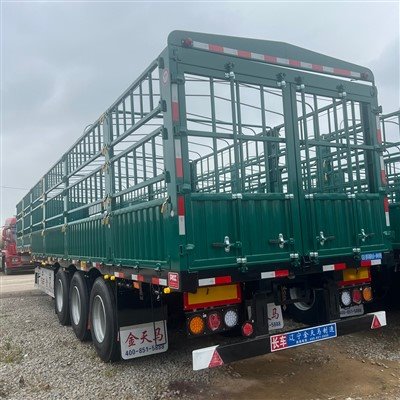
First up, let’s get one thing straight: tractor truck suspension does two big things. It cushions the ride for the driver and the cargo, and it keeps the wheels firmly planted on the road so you’ve got control, especially when you’re hauling heavy loads. Mess that up, and you’re looking at broken parts, damaged freight, or worse — safety issues. Now, the two most common types out there are leaf spring and air ride, but there are a few hybrid and specialty setups that come up too.
Let’s start with the classic: leaf spring suspension. This is the old reliable that’s been around for decades, and for good reason. I’ve got a lot of fleets that run these for on-highway work, especially if they’re hauling heavy, dense loads like steel or construction materials. Leaf springs are made of multiple curved steel strips stacked on top of each other, bolted to the frame and the axle. When the truck hits a bump, the strips bend and flex, absorbing the shock.
Why do so many people still swear by these? For one, they’re cheap. Parts are easy to find, maintenance is straightforward, and repairs take way less time than other setups. I had a client last month who hauled steel beams from Chicago to Detroit — round trip, 500 miles, 40k lbs of steel. His leaf springs didn’t miss a beat. They’re also super durable. If you’re driving on rough backroads, not just smooth interstates, leaf springs can take way more abuse than a lot of air rides. The downside? The ride is way stiffer. No matter how much weight you’re hauling, you’re gonna feel every pothole, every rumble strip, and your back will thank you if you upgrade. Also, empty or light loads? Leaf springs don’t adjust, so the ride gets way bouncy and can actually be harder on the truck’s frame over time. They’re great for heavy, consistent loads on rougher roads, but not ideal for long hauls with drivers who complain about back pain.
Next, the big one these days: air ride suspension. This is the setup that’s taken over the on-highway market, especially for long-haul trucks. Instead of steel leafs, air ride uses air bags (usually made of rubber and reinforced with fabric) that hold air pressure to support the weight. You can adjust the pressure depending on how much you’re hauling — heavy load? Pump up the bags. Empty? Let a little out. That translates to a way smoother ride. I’ve had drivers tell me that going from leaf springs to air ride is like night and day — they don’t finish a 12-hour haul sore anymore, and damaged cargo is way down.
Wait, there are two types of air ride, right? I should split those out because a lot of folks mix them up. There’s cab air ride and chassis air ride. Cab air ride cushions the driver’s seat and the cab itself, so you’re not feeling every jounce in the cab. Chassis air ride, on the other hand, supports the whole tractor frame, including the load. That’s the one for hauls that are super sensitive — like refrigerated goods, electronics, or fragile products that can’t bounce around. The downside of air ride? It’s more expensive upfront. Parts are pricier, and if something goes wrong with the air system (like a leak in a bag), repairs can be a pain. You can’t just swap a leaf spring on the side of the highway easily, and you need regular maintenance to check air lines, valves, and pressure levels. Also, if you’re running super heavy, off-road work, air bags can take a beating that leaf springs would shrug off. That’s why I always ask clients: is this truck mostly on interstates, or is it gonna hit dirt roads, job sites, or rough terrain? If it’s the latter, maybe air ride isn’t the pick.
Now, the hybrid setup that a lot of my clients are asking about lately: spring-assist air ride. This one tries to split the difference. It uses leaf springs as a base, and adds air bags on top to adjust the ride height and cushion. So you get the durability of leaf springs for heavy loads, but you can tweak the pressure for lighter loads to make the ride smoother. I’ve seen this work great for fleets that do a mix of long hauls and local runs. Like, a client who runs a tractor that hauls pallets of groceries to stores and sometimes backhauls empty pallets. With a hybrid, they don’t have to endure a bone-jarring ride when they’re light, and they don’t have to worry about breaking parts when they’re loaded up. The tradeoff? It’s still more expensive than straight leaf springs, and you’ve got parts from both systems to maintain, so more things that can go wrong. But if you’re not 100% committed to all-air or all-steel, this is a solid middle ground.
Then there are the specialty setups for really specific jobs. Let’s talk about heavy-duty or extra-heavy-duty suspension. Some fleets haul way more than the standard 80k lbs gross weight — like construction materials, large equipment, or multiple trailers. For those, we have heavy-duty leaf spring setups, sometimes with multiple leaf stacks, or even tandem leaf springs, to support way more weight. These are built to take constant heavy loads, no bending, no flex. Another specialty one is off-road suspension. If you’re a utility company that’s hauling gear to job sites in the woods, or a farm operation moving heavy equipment across fields, you need a setup that can handle mud, rocks, and uneven terrain. Those use thicker leaf springs, reinforced axles, and sometimes added shock absorbers to keep control on rough ground. They’re way sturdier than standard setups, but the ride is even rougher — so driver comfort is an afterthought here.
Wait, let’s not forget to mention how suspension ties to other parts of your truck. Like, if you’re running a tractor that’s paired with a trailer, the suspension has to work with the trailer’s setup too. If your tractor has leaf springs but your trailer has air ride, you’re gonna get a lopsided ride, maybe even damage the trailer. That’s why when clients come to me, I always ask about their whole operation — not just the tractor. Do they run a single trailer, double, triple? What kind of cargo? Where do they drive most? That’s the only way to pick the right suspension.
Let me throw in a quick example to make this real. Last quarter, a small construction company came to me. They had two old tractors with leaf springs, but they were constantly breaking parts when they hauled excavators to job sites on dirt roads. They didn’t want to pay for full air ride, so we went with heavy-duty leaf spring setups with upgraded shock absorbers. It cost them a bit more upfront than replacing the stock leafs, but in 6 months, they’d saved almost $2k in repair bills and lost 3 fewer days to downtime. Perfect for their job. Another client: a long-haul carrier that runs refrigerated trailers coast to coast. He went with full air ride on both tractor and trailer, and his cargo damage went down 15% in the first year. That’s a huge win for his bottom line.
So, how do you actually pick the right one for you? Let’s sum it up in simple questions:
- What’s your average load weight, and does it vary a lot? If it’s consistent heavy loads, leaf springs work. If it swings from empty to full, air or hybrid is better.
- Where do you drive most? Smooth interstates = air ride. Rough backroads, job sites, dirt = leaf or heavy-duty specialty.
- How much do you care about driver comfort and cargo protection? If you’re hauling fragile stuff and your drivers do long hauls, air ride is worth the extra cost. If your main concern is low upfront cost and durability, leaf springs are hard to beat.
- What’s your maintenance budget? Air ride needs more regular checks, parts are pricier. Leaf springs are simple to fix, parts are cheap.
Wait, a lot of people ask me about common myths, too. Like, “air ride is always better.” No, not if you’re hauling 50k lbs up a dirt mountain road — air bags can get damaged by sharp rocks, and you don’t want a leak that leaves you stuck on the side of the mountain. Another myth: “leaf springs don’t need maintenance.” They do — you have to check the U-bolts, make sure the leafs are lubed, replace worn bushings. Neglect that, and they’ll break just like anything else.
As a supplier, I can tell you that the most common mistake I see is buying the wrong suspension for the job. Some guys see a buddy’s truck with air ride and think it’s the way to go, even if 90% of their driving is on rough roads. Or someone buys a cheap leaf spring setup for long hauls, and their drivers quit because their backs hurt. That’s why we spend time talking through your needs, not just selling you the most expensive option.

If you’re in the market for a tractor truck, or just looking to upgrade your current suspension, don’t guess. Tell us about your operation, what you haul, where you drive — we’ll walk you through the setups that fit, no jargon, no pressure. We’ve got setups for every job: from local runs with heavy loads to cross-country long hauls, from job site work to specialized freight. Our teams are ready to answer any questions, walk through specs, and help you pick what’ll save you money and hassle in the long run. Reach out to us to chat through your needs, no obligation.
Concrete Mixer Truck References
Truck Manufacturers Association. (2022). Tractor Suspension Systems: Performance and Application Guidelines.
Heavy Duty Trucking Magazine. (2021). Guide to Air Ride vs. Leaf Spring Suspensions for Commercial Trucks.
American Trucking Associations. (2023). Maintenance Best Practices for Commercial Vehicle Suspensions.
National Institute for Occupational Safety and Health. (2020). Driver Comfort and Vehicle Suspension Impacts on Long-Haul Trucker Fatigue.
Jining Yaochi Automobile Trading Co., Ltd.
With abundant experience, we are one of the most professional tractor truck manufacturers in China. Please feel free to buy cheap tractor truck made in China here from our factory. Quality products and reasonable price are available.
Address: Liangshan Industrial Park, Jining City, Shandong Province, China
E-mail: Yzhiying23@gmail.com
WebSite: https://www.yaochitruck.com/
