If you’ve ever spent hours hunched over a lab bench, rearranging pipettes mid-experiment only to knock over a reagent bottle, or struggling to pull out a centrifuge drawer without blocking a neighbor’s access, you know lab design isn’t just about counters and cabinets. For nearly a decade, our team has supplied lab benches to biotech startups, academic research facilities, and pharmaceutical labs across North America, and over that time, we’ve watched the field shift from one-size-fits-all metal workstations to spaces that evolve with the people and work happening inside them. Today, lab bench design is driven by three core priorities: worker safety, adaptability to fast-changing research, and sustainability. These aren’t just buzzwords—they’re trends we’re already building into our latest bench lines, and trends we expect will redefine lab space in the next five years. Lab Bench
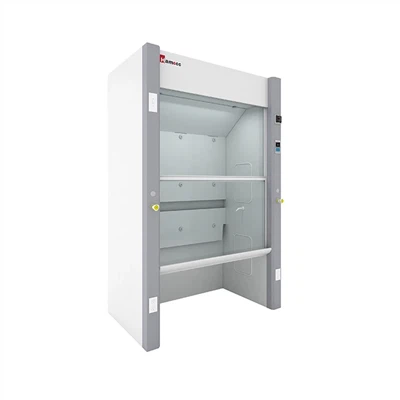
First and most urgent is the rise of safety-integrated design, which moves beyond adding a fume hood to a separate corner and builds protection into every part of the bench. A few years ago, we got a call from a cancer research lab at a mid-sized university. Their old wooden benches had chipped edges that trapped spilled cell culture media, and their shared reagent stations lacked dedicated secondary containment for volatile solvents. The lab was dealing with a rash of small contamination incidents—no one was hurt, but they were losing three weeks of experiment time every month to cleaning and restocking. When we worked with their team to design new benches, we didn’t just swap wood for chemical-resistant epoxy resin. We added built-in, leak-proof under-sink trays under every reagent tap, recessed electrical outlets so they were out of splash zone range, and height-adjustable work surfaces so researchers working with hazardous materials didn’t have to hunch over their samples, reducing the risk of accidental splashes. What’s more, we integrated proximity sensors into the bench edges that trigger a subtle, non-intrusive alarm if a reagent bottle is left within 10 inches of an open flame—something the old bench setup didn’t have space for. This shift isn’t just about following OSHA guidelines anymore; today’s researchers want safety that’s seamless, not an afterthought. We’re also seeing a rise in modular safety add-ons: lab benches that can be fitted with retractable splash guards for gel electrophoresis, or magnetic holders for sharps containers, all without needing to permanently alter the bench structure.
The second big trend is adaptability, driven by the fact that research moves faster than lab space ever has. A startup might launch focused on antibody development, then pivot to mRNA vaccine research in 18 months. A university lab might get a grant to add single-cell sequencing one year, then switch back to traditional microbiology the next. Old, fixed lab benches were built for one type of work, which meant costly renovations every time a project changed. Now, labs are demanding benches that reconfigure without heavy construction. That’s why our newest line features interchangeable work surfaces: a researcher can swap a solid epoxy top for a grated stainless steel top for cell culture work in an hour, no tools required. We’ve also added mobile utility carts that slot directly into the bench frame, so a lab can adjust how many workstations they have from six to eight on a single day when a temporary research assistant is brought on. Even storage is adaptive: instead of fixed cabinets, our new benches have drawer systems that can be reconfigured to fit pipette racks, sample boxes, or centrifuge units, with labels that can be swapped as supplies change. Last year, we installed this line at a diagnostic lab that handles COVID-19 testing and now tests for monkeypox too; they told us they cut their lab renovation costs by 70% in the first year, because they never had to rebuild the bench layout when they shifted testing protocols.
Third, and often overlooked, is the push for sustainable lab bench design. For a long time, lab furniture was built to last 20+ years, but most of it was made from materials that aren’t recyclable: vinyl laminates, glued particleboard, heavy steel that ends up in landfills when labs upgrade. Today, researchers and lab managers are asking for benches that have a lower carbon footprint, from material sourcing to end-of-life. We’ve responded by switching 60% of our bench components to FSC-certified plywood cores with non-toxic, chemical-resistant surface coatings that can be repaired instead of replaced. For metal parts, we use 90% recycled steel from industrial scrap yards, and our packaging is made from 100% post-consumer recycled cardboard. We also offer a take-back program for old benches: when a lab upgrades, we pick up the old units, repair what’s working, and repurpose parts for new benches, so less waste goes to landfills. A biotech client in Boston told us this was a key factor in choosing our benches: their company’s ESG (Environmental, Social, and Governance) policy requires all lab equipment to have a circular lifecycle, and the lab estimated they reduced their annual carbon emissions from furniture by 45% after switching to our line. What’s interesting here is that sustainability doesn’t have to mean sacrificing durability. Our eco-friendly benches hold up to the same chemical spills and heavy use as traditional ones, so labs aren’t compromising performance for their climate goals.
Of course, no trend exists in a vacuum, and we’re also seeing overlap between these three. For example, a safety-integrated adaptive bench can also be designed with sustainable materials. We recently worked with a marine biology research facility that studies coral samples; they needed benches that are resistant to saltwater, can be reconfigured when they switch between fieldwork lab and growth tank work, and don’t use toxic materials that would leach into their samples. We built them benches with a saltwater-resistant recycled polymer surface, modular work sections that can be swapped between sample preparation and tank maintenance, and integrated filtration trays that catch saltwater spills before they contaminate their coral cultures. That’s the kind of holistic design that’s replacing the outdated approach of “buy a bench, use it for a decade.”
If you’re a lab manager or facilities director, it’s easy to stick with what you know: the same bench you’ve used for 15 years. But the cost of not upgrading isn’t just about comfort—it’s about productivity, safety, and even compliance. Labs that use static, unsafe benches are more likely to experience delays from contamination or accidents, and they’re missing out on the flexibility to pivot with new research opportunities. Our team has been testing these new designs with clients over the last two years, and the feedback has been clear: when benches work for the people using them, research moves faster, mistakes are fewer, and the lab becomes a place where innovation can thrive.
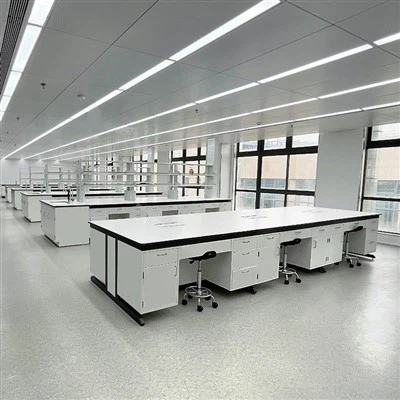
If your lab is ready to upgrade to a lab bench that fits your current work, grows with your future projects, and keeps your team safe, we’re here to help. We don’t sell one-size-fits-all benches—we work with you to assess your specific needs, whether that’s adapting to a new research focus, upgrading safety protocols, or meeting ESG targets. Reach out to our team to schedule a consultation, and we’ll help you design a bench space that works for your lab, not against it.
Balance Tables References
- Occupational Safety and Health Administration. (2022). Laboratory Safety Guidelines for Chemical and Biological Work. U.S. Department of Labor.
- Global Biological Standards Institute. (2023). Lab Efficiency and Adaptability Report: Trends in Modern Research Facilities.
- International Organization for Standardization. (2022). ISO 14001:2015 Environmental Management Systems for Laboratory Facilities.
- American Institute of Architects. (2021). Design Guidelines for Research and Development Laboratories.
HAMECC(Shanghai) Lab Solutions Co., Ltd.
We’re well-known as one of the leading lab bench manufacturers and suppliers in China, featured by quality products and good price. Please rest assured to buy customized lab bench made in China here from our factory.
Address: Building 1, No. 2222, Huancheng Road, Jiading District, Shanghai
E-mail: info@hamecc.com
WebSite: https://www.hamecc.com/
