If you’ve ever stood by an electric vehicle (EV) at a public charging station, scrolling through your phone while the battery fills, you might’ve noticed a detail no one talks about enough: the charging cable you’re relying on. Most people fixate on charger power output or EV battery size, but as an AC charging supplier who’s worked with thousands of installers and EV drivers over the past eight years, I can tell you: cable quality isn’t just a minor detail—it’s the backbone of safe, efficient, and reliable AC charging. AC charging is the most common method for everyday EV use, from overnight home top-ups to quick workplace stops, and the cable that carries power from the grid to your vehicle’s on-board charger determines every part of that process. Today, I want to break down why that cable matters more than you think, and why choosing quality over cheap shortcuts saves everyone time, money, and hassle. AC Charging
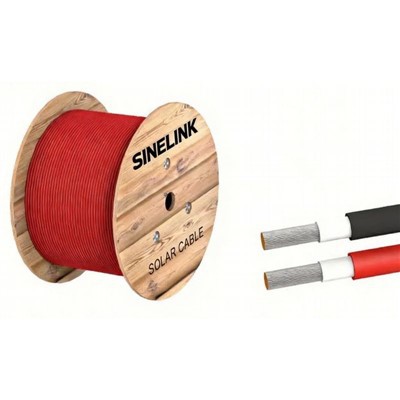
Let’s start with the basics: how AC charging works, and why cables are non-negotiable here. Unlike DC fast charging, which converts grid electricity to DC power at the charger itself, AC chargers send alternating current straight to your EV’s on-board charger, which handles the conversion to DC for the battery. That means the charging cable acts as a direct conduit for live electricity, sometimes carrying 30 amps or more (for level 2 chargers, the most widely used AC option) over several hours. For a cable to handle that current without issues, it needs three core things: properly sized conductors, durable insulation, and consistent build quality. Cheap cables often cut corners here, and those shortcuts lead to problems you won’t notice until they cause a disruption.
First, current carrying capacity (ampacity) is a make-or-break factor. Every electrical cable has a maximum amount of current it can safely carry without overheating. If a cable has too small a conductor (the copper or aluminum wire inside that moves electricity), resistance goes up, and heat builds. That heat doesn’t just wear out the cable over time—it can trigger safety hazards, too. I’ve seen installers bring back cheap aftermarket cables that warped after a month of regular use, their insulation melted from excess heat, exposing the inner conductors. More alarmingly, a few of those cables have caused minor ground fault issues, tripping home circuit breakers mid-charge and leaving drivers with a dead car before they planned to leave. Quality cables are built with conductors sized to match the charger’s output: for a level 2 charger rated for 32 amps, that means a 10-gauge conductor minimum, per National Electrical Code (NEC) standards, with enough extra copper to handle small voltage drops without overheating. Cutting costs by even one gauge here doesn’t just reduce charging speed—it risks fire codes and compliance, something every installer and end user should take seriously.
Next, voltage drop. Even a quality cable will have a small amount of voltage loss, but that adds up over longer cable runs, or in poorly built cheap cables, to a noticeable hit in charging efficiency. Let’s put that in real terms: if you use a 10-foot cable on your home charger, you might see a 1-2% voltage drop, which barely affects your charging time. But if you use a 25-foot cable, a cheap one could have a 5% drop, meaning your charger will take 10% longer to fill your battery. For workplace charging stations, where cables are often 50 feet or longer, that drop becomes even more impactful. I worked with a fleet manager last year who’d installed 12 cheap level 2 chargers for his 18 electric delivery vans, all with 30-foot cables. He ended up needing to add two more hours of charging time per van, because the cheap cables cut effective output by nearly 15%—wasting thousands in labor hours and charging infrastructure costs. Quality cables use high-purity copper conductors (not aluminum, which is a common cheap substitute) to minimize resistance, keeping voltage drop below 2% even over long runs. That small difference translates to faster, more reliable charging, no matter where the charger is installed.
Then there’s durability, which is critical for cables that get plugged and unplugged hundreds of times a year. Public charging cables, home chargers used by multiple family members, fleet cables that get dragged over pavement—all of these take constant wear. Cheap cables have thin insulation, flimsy connectors, and internal strain relief that breaks after a few dozen bends. I’ve had customers tell me their cheap home charging cables frayed at the plug after six months of daily use, or the connectors stopped locking into the EV port, leading to intermittent charging. Quality cables are built to endure: they use thermoplastic or rubber insulation rated for extreme temperatures (from -40°F to 150°F, depending on the region) to resist cracking in cold weather or melting in direct sunlight, and strain relief that’s molded into the plug rather than glued on, so it can handle repeated bending without failing. For public charging stations, where cables are exposed to rain, snow, and foot traffic, a quality cable can last 5-7 years, while a cheap one might need replacement every 2-3 years. That’s not just an inconvenience—it’s a huge cost for charging station operators, who have to budget for ongoing cable repairs instead of expanding their network.
Beyond the practical wear and tear, cable quality directly impacts compatibility and connectivity. EV manufacturers design charging ports to work with cables that meet specific current and voltage specifications, and cheap cables often fail to hit those marks. I’ve seen drivers plug an uncertified cable into their Tesla or Nissan Leaf, only to get a “charging unavailable” error, even when the charger is working fine. Certification matters here: UL-listed or CE-marked cables are tested to ensure they work with all major EV models, with built-in communication technology that matches the charger and EV’s protocols. Cheap cables skip those certification tests, so they might charge one car perfectly but not another, creating frustration for both installers and end users. For example, a level 2 charger that works with a 2018 Chevy Bolt might not communicate correctly with a 2023 Hyundai Kona if the cable’s internal wiring isn’t up to par, even if both are rated for the same power output. That’s not a defect in the charger or the car—it’s a gap in the cable’s build quality.
Let’s also talk about safety, which is the most important reason cable quality can’t be an afterthought. AC charging is low voltage compared to DC fast charging, but it’s still live, alternating current that can cause electrical shock, arc faults, or fires if the cable is compromised. Poorly made insulation can tear, exposing live conductors, and loose connections in the plug can create arcing—sparks that can ignite flammable materials nearby. In 2022, the Electrical Safety Foundation International (ESFI) reported that 12% of EV-related electrical incidents were linked to faulty charging cables, 80% of which were aftermarket, uncertified cables. Those numbers aren’t a coincidence: every quality cable we manufacture goes through 12 separate safety tests, including insulation resistance, temperature cycling, and arcing performance, to meet global standards. We also add ground fault circuit interrupter (GFCI) protection to our home charging cables, an extra layer that trips the power if there’s any imbalance in the electrical current, reducing shock risk even further. Cheap cables rarely include that level of protection, leaving drivers and their homes vulnerable.
I know what some of you are thinking: “Cable costs are just a few bucks, right? Why not save money upfront?” Let’s do a quick cost comparison to put that in perspective. A quality 25-foot level 2 charging cable costs around $120-$150, while a cheap uncertified cable is $50-$70. At first, the cheap option seems like a steal. But over three years, that cheap cable will likely fray, fail, or cause compatibility issues, requiring a replacement every 12-18 months. That adds up to $150-$210 over three years, plus the cost of the time you spend ordering a new cable, troubleshooting why it doesn’t work, or arranging a technician to replace it. The quality cable, on the other hand, will last 5-7 years, with no major issues, and works with every EV you own. For fleet operators or charging network providers, that difference is even bigger: installing 100 cheap cables means replacing 100 every two years, while 100 quality cables only need replacement every 6 years—saving tens of thousands in operational costs. Plus, you avoid the hidden costs: a disrupted charge for a delivery van can mean missed drops, a broken public charger can lead to negative reviews and lost customers, and a cable-related safety incident can lead to costly insurance claims or legal fees.
Another point that’s easy to overlook: cable quality affects grid efficiency, too. Even small voltage drops or resistive heat waste mean more electricity is lost between the grid and the EV battery. A study by the Department of Energy (DOE) found that poorly made charging cables can waste up to 8% of the electricity sent to a charger, compared to less than 2% for quality cables. That waste adds up nationwide: if every AC charging cable in the U.S. was replaced with a quality version, the DOE estimates it would save enough electricity annually to power 1.2 million homes. That’s not just good for your wallet—it’s good for the environment, too, reducing the carbon footprint of EV charging even further.
So, what does this mean for you, whether you’re a homeowner installing a home charger, a small business adding workplace charging, or a large charging network operator? The takeaway is simple: cable quality is not a luxury—it’s an investment. When you choose a quality cable, you’re not just buying a cord to plug in your car; you’re buying reliability, safety, and long-term savings. You’re also ensuring that your AC charging setup works as intended, every time you plug in, no matter if it’s -10°F in the middle of winter or 100°F on a summer workday.
At our company, we’ve built our business around that principle. We don’t cut corners on copper, insulation, or certification, because we’ve seen firsthand the problems that cheap cables cause. Every cable we manufacture is tested to meet NEC, UL, and CE standards, built with reinforced strain relief and weather-resistant insulation, and guaranteed to work with all major EV models. We work with installers, fleet managers, and homeowners to match the right cable to their needs, whether that’s a 10-foot cable for a tight garage or a 50-foot cable for a public charging station.
If you’re planning to install AC charging, whether for your home, business, or fleet, don’t leave the most important part of the system to chance. A quality cable is the foundation of safe, efficient EV charging, and it’s one detail you can’t afford to get wrong. To learn more about our AC charging cables and discuss what’s right for your project, reach out to our procurement team to set up a consultation. We’re here to answer your questions, provide custom quotes, and make sure your charging setup works for years to come.
Solar Connector References
- Electrical Safety Foundation International. (2022). EV Charging Safety Report: Analysis of Residential and Public Charging Incidents.
- U.S. Department of Energy. (2021). EV Charging Infrastructure Efficiency: The Impact of Cable Build Quality on Energy Losses.
- National Electrical Code (NEC). (2023). Article 625: Electric Vehicle Charging Systems.
- International Electrotechnical Commission (IEC). (2020). Standard 62196: Plugs, Socket-outlets, Couplers, and Vehicle Inlets for Conductive Charging of Electric Vehicles.
- Charging Industry Association. (2022). Annual State of EV Charging Infrastructure Report.
Tianjin Xilingke New Energy Technology Co., Ltd.
Address: Suite 2601, Tower B, Wanghai International, Haihe East Road, Hebei District, Tianjin, China.
E-mail: robin@sinelinkev.com
WebSite: https://www.sinelinkenergy.com/
