What are solid wood door slabs? Let’s cut through the jargon straight—if you’re in the market for interior doors, you’ve probably stumbled on this term more than once, and you might be wondering how it’s different from the flimsy hollow-core or MDF doors you can grab at your big-box hardware store. As a solid wood doors supplier who’s been doing this for over a decade, I get it; “door slab” sounds fancy, but it’s just the plain door panel itself—no hinges, no hardware, no frame. But there’s way more to it than that. Let’s break it down like I’d explain it to a customer who just brought in a sketch of their new bathroom renovation. Solid Wood Doors
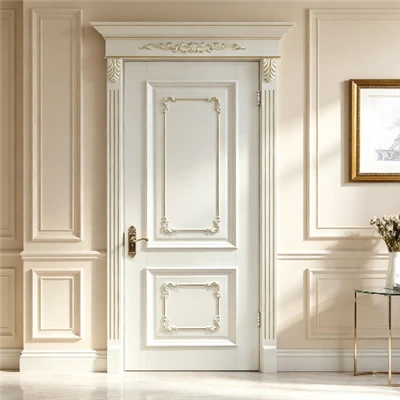
First, let’s get the basics right. A door slab is the main, flat piece of a door, not including the trim, hinges, or frame you’ll need to install it. It’s pre-cut to standard sizes most of the time—like 30” wide, 80” tall, which fits most standard door frames—but you can get custom sizes too, which is why so many people pick solid wood over prefab junk. The big thing that sets solid wood door slabs apart is the material: it’s cut from a single piece (or sometimes glued-up pieces, but still 100% solid wood, no particleboard or MDF) of real lumber, no fake stuff pressed together with glue that’ll bubble or warp in a year.
Wait, hold up—let’s clear up the confusion between “solid wood” and the stuff that’s labeled as wood but isn’t. A lot of budget doors are called “solid” but are actually a wood veneer over a core of particleboard or hollow cardboard. Those are the ones that get dented if you drop a glass on ’em, and if a kid slams them too hard, the veneer will peel right off. Solid wood door slabs? They’re made from actual wood—oak, maple, walnut, pine, whatever species you want—so they move with the humidity, not against it, which is huge for places like Florida or Arizona where the air changes a lot.
Why would you care about that movement? Let’s talk practicality. If you live in a climate that swings between super dry winter months and swampy summers, wood that’s not solid (MDF, plywood) will expand and contract at different rates than your frame, which means sticking doors or gaps that let air in. Solid wood door slabs move uniformly because they’re the same material all the way through. A pine slab might shrink a tiny bit in the dry winter, but it won’t crack along the edges like a veneered door would. We see this all the time—customers who bought cheap doors for their beach houses come back within two years saying their doors won’t close, and they end up swapping ’em for our solid wood slabs that hold up even with the salt air and humidity.
Another point: customization is where solid wood door slabs really shine. If you want a rustic look for your cabin, a knotty pine slab with hand-planed edges is perfect. For a modern home, a smooth, plain white oak slab with no raised panels fits right in. We also do routed edges—beveled edges, rounded edges, even custom cuts for things like pocket doors or French doors. You can’t do that with a hollow-core door; it’ll split if you try to route it. And if you ever want to change the finish? Solid wood lets you sand it down and refinish it ten, twenty, even thirty years later. MDF? You can sand it a couple times max before it turns to dust. That’s the difference between a door that’s a one-and-done purchase and one that becomes a permanent part of your home.
Now, let’s talk about common misconceptions. Some folks think solid wood door slabs are way too heavy, or super expensive. Sure, a heavy oak slab is heavier than a hollow core, but that’s actually a good thing— it feels sturdy, not like you’re opening a cardboard box. It also dampens sound way better, which is why they’re great for bedrooms, home offices, or media rooms. As for cost? If you’re thinking long-term, they’re actually a better value. A $50 hollow core door might last two years, while a $250 solid wood slab can last a lifetime, plus you don’t have to deal with the hassle of replacing it. We’ve got options for every budget, too— knotty pine is more affordable than walnut, and we offer unfinished slabs so you can stain or paint them to match your existing trim, which saves you cash on finishing work.
Wait, let’s get into how they’re made, just to give you a sense. We source our lumber from responsibly managed forests, which is a big one for a lot of our customers. The logs are milled into planks, then cured to get the right moisture content (around 6-8%, which is perfect for indoor use—too wet, and it’ll warp after installation; too dry, and it’ll crack). Then we cut the planks into door-sized slabs, sand ’em smooth, and sometimes add a few design details like raised panels, recessed panels, or a plain flat slab depending on what you want. No shortcuts here—we don’t use any composite cores, no formaldehyde-based glues that off-gas, which is a win for people worried about indoor air quality.
What about installation? A lot of DIYers can handle putting in a solid wood door slab, as long as you have a basic frame already. You just hang it with hinges, add a doorknob, and you’re done. It’s way simpler than you might think, and since the slab is pre-cut to standard sizes, there’s not a lot of fitting around. If you’re remodeling a whole house, we can match all your door slabs to your baseboards or trim, so everything looks cohesive. That’s a big one—when you have all interior doors matching, it makes your home feel put-together, not like you grabbed random doors from the hardware store.
Let’s talk about specific use cases to make it real. If you’re building a vacation home in the mountains, a knotty pine solid wood door slab will look cozy, hold up to the cold dry air, and stand up to wear from guests. For a master bathroom, a solid maple slab is resistant to moisture, so it won’t warp if you accidentally leave the shower door open. For a commercial space? Solid wood door slabs are durable enough for high-traffic areas, plus they add a warm, professional vibe that makes a space feel inviting, not sterile like hollow-core office doors.
I’ve been in this game long enough to see the mistakes people make. A customer a couple years ago came to us because they installed hollow-core doors in their new kitchen, and within a year, the veneer had peeled off around the door handle, and the edges were chipped from moving appliances in and out. They ended up replacing all of them with our solid oak slabs, and two years later, they texted me a photo of their kitchen doors still looking perfect. That’s the kind of thing solid wood door slabs do—they work hard, look good, and don’t let you down.
Another thing: sustainability. A lot of our customers care about this, and we make sure our solid wood door slabs are FSC-certified, so you know the lumber comes from forests that are managed to last. Unlike composite doors, which end up in landfills because you can’t refinish them, a solid wood slab can be repurposed later—if you renovate, you can use old door slabs for shelves, furniture, even wall art. That’s a huge plus for people who want to reduce waste in their homes.
Wait, let’s circle back to what a door slab actually is, just to make sure we’re all on the same page. If you go to a hardware store and buy a “door,” what you’re actually getting is a complete set: the slab, hinges, doorknob, and frame. A door slab is just the core panel—so you pick it separately if you’re reusing your existing frame, or if you want to mix and match finishes. For example, if you have a set of old oak frames you love, you can buy a new solid wood slab in a matching species and just swap it out, instead of buying a whole new door set. That’s a great trick for updating a home on a budget.
I know a lot of people are hesitant to switch because they think solid wood is too high-maintenance. Nope—all you need is a quick wipe with a damp cloth once a week, and every few years, a light coat of wood polish if you want to keep the finish shiny. That’s way less work than fixing a peeling veneer or a warped hollow door.
Now, if you’re reading this and thinking, “Hey, I need solid wood door slabs for my next project,” here’s what to do. Don’t waste time scrolling through generic hardware sites with 100 different door options that all feel the same. As a solid wood doors supplier, we work with everyone: DIYers doing a single bedroom door, contractors doing a whole house remodel, designers working on a commercial space. We can help you pick the right wood species, size, and finish, even custom sizes if standard ones don’t fit your frame. We also ship nationwide, so you don’t have to worry about picking up a heavy slab yourself.
Wait, I should mention one more thing: warping. A lot of people ask if solid wood door slabs warp. The short answer is, if they’re cured properly, no. We test every slab before it leaves our warehouse to make sure it’s flat and has the right moisture content, so when it gets to your home, it won’t twist or warp after you install it. That’s a mistake a lot of cheaper suppliers make—they use green lumber (wet wood) that dries out after installation and warps. We don’t do that, so you can trust the slab you get from us will be ready to go.
Let me wrap this up plain and simple: a solid wood door slab is the sturdy, customizable, long-lasting core of a door, made from 100% solid wood, no fake stuff. It’s better than hollow core or MDF in every way—durability, soundproofing, look, sustainability—even cost when you factor in how long it lasts. Whether you’re renovating a single room or a whole house, solid wood door slabs are a smart choice that won’t leave you regretting it a year down the line.
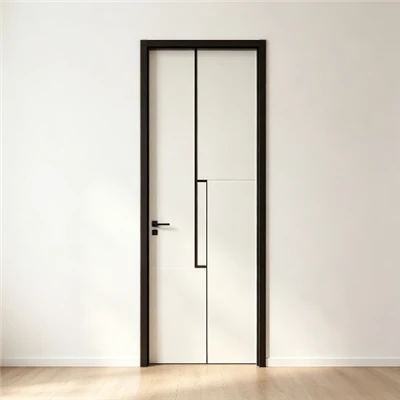
If you’re ready to pick out slabs, need a custom size, or have questions about wood species and finishes, don’t hesitate to reach out. We can walk you through every step, from choosing the right slab to making sure it fits your existing frame, no sales pitch, just honest advice from someone who’s been in the doors business for ages.
WPC Door References
- National Wood Flooring Association. (2022). Solid Wood vs. Composite Building Materials: Durability and Performance.
- Forest Stewardship Council. (2023). FSC Certified Wood Products: Sustainability and Traceability Standards.
- Door and Hardware Institute. (2021). Interior Door Specifications: Slab Sizes, Material Standards, and Installation Best Practices.
- U.S. Department of Energy. (2020). Indoor Air Quality Impacts of Composite Wood Products vs. Solid Wood Materials.
- Journal of Construction Wood Science. (2022). Moisture Movement in Solid Wood Doors: Mitigating Warping and Distortion.
Yongkang Phipulo Smart Home Co., Ltd.
As one of the most professional solid wood doors manufacturers and suppliers in China, we also accept customized orders. We warmly welcome you to buy discount solid wood doors from our factory. If you have any enquiry about quotation, please feel free to email us.
Address: Phipulo, 22nd Floor, Jinbi Building, Headquarters Center, Yongkang City, Jinhua City, Zhejiang Province
E-mail: door@phipulodoors.com
WebSite: https://www.ppdwooddoors.com/
