Hey there! Let’s cut to the chase—if you’re new to canning (or even if you’ve been at it for a hot minute) and staring at a stack of dry beans, ripe tomatoes, or pickling cucumbers thinking, “Wait… what size ceramic jar do I even need for this?” you’re in the right place. As someone who’s been selling ceramic canning jars for years—talking to home canners, hobby bakers, and even people who’re turning their grandma’s old pickle recipe into a side hustle—I’ve heard every version of that exact question. No stuffy industry jargon, no confusing charts that make you want to order mason jars and call it a day. Let’s break this down like we’re chatting over a jar of your latest pickles. Ceramic Jar
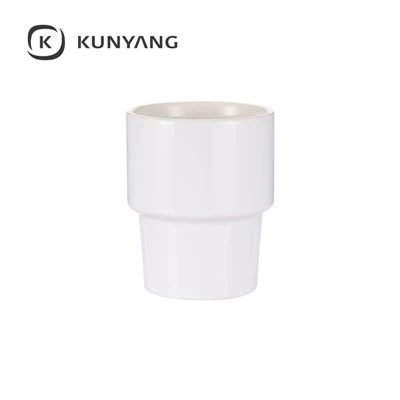
First off, let’s get one thing straight: ceramic canning jars aren’t your basic mason jar. Yeah, they’ve got that same airtight seal, food-safe glaze, and durable build, but they come in sizes so random, I’ve had customers show up to my shop with a 1-gallon jar that’s way too big for half-pint jam and a 4-oz mini that holds exactly three olives. The biggest mistake people make? Just grabbing the biggest jar they have because they think “more = better.” Spoiler: it’s not. Too big and you’ll waste precious headspace (more on that later) or have food sitting at the top that doesn’t seal right. Too small and you’ll be canning 17 tiny jars of salsa when you could do it in two. Annoying, right?
Let’s start with the most common canning tasks, because that’s where most people need clarity. Let’s go from smallest to largest, since that’s how you’ll likely use them:
First up, mini 4-oz (approx 120ml) jars. These are great if you’re making single-serve jams, fancy honey for gifts, or pickled garlic cloves for charcuterie boards. I sold out of these every holiday season last year because people love gifting small batches—way more personal than a big jar of jam. But here’s the thing: you can’t use these for pressure canning or large batches of veggies. Too little volume means uneven heat during processing, so they’re basically for shelf-stable treats you’re gonna eat within a few weeks, or gifts. If you’re putting them up for long-term storage, skip the mini ones.
Next, the workhorse half-pint (8 oz / 240ml) jars. These are my personal favorite for regular canners. Perfect for small batches of jam, jelly, fruit preserves, or even pickled peppers if you’re not making a ton. They’re also super easy to handle—fits in most standard canning pot racks, easy to label, not too heavy when full. A lot of new canners start here because they don’t want to commit to a full pint of something that might go bad before they finish it. Pro tip: if you’re making a thick salsa that’s hard to pack, half-pints are way less intimidating than pints. I see so many customers coming back for these again and again because they’re versatile and not too much work.
Then we’ve got pints (16 oz / 480ml) and pint-and-a-halves (24 oz / 720ml). Pints are the go-to for most standard canners. Think: dill pickles, spaghetti sauce, whole green beans, or even berries for canning. They hold just enough for a family of 2-3 to get a few uses out of one jar, and they process perfectly in both water bath and pressure canners—no weird heat issues here. Pint-and-a-halves are a little more niche, but they’re great if you’re making things like chutney or a mix of veggies for stew—enough to make a couple of meals, not so big that you’re stuck with leftovers after opening. I’d say if you’re canning for your own family, pints are non-negotiable. The pint-and-a-half is for when you want a little extra without going to a full gallon.
Now the big boys: quarts (32 oz / 960ml) and half-gallons (64 oz / 1.9L). These are for people who are canning in bulk—like if you’re stocking up for the winter, or selling your pickles at a local farmers market. Quarts are for things like large batches of whole tomatoes, pumpkin puree, or big jars of sauerkraut. They’re sturdy enough for pressure canning too, as long as you follow the right processing times (important, I’ll get to that later). Half-gallons? Only if you’re serious. I mean, serious canning. If you’re fermenting a huge batch of kimchi that needs to weigh down veggies, or making gallons of pickles for a crowd, these are your jam. But here’s the catch: half-gallon jars are heavy. Like, 5 pounds when full. So if you’re canning to store and move them around your pantry, quarts are way more practical. Half-gallons are for set-it-and-forget-it bulk projects.
Wait, before you go “okay, so pick a size, done,” let’s talk about the one rule that matters more than all the size charts: headspace. Yeah, I know, it sounds boring, but it’s why choosing the right size isn’t just about volume. Headspace is the empty space between the top of your food and the lid of the jar. For ceramic canning jars (most have a standard 2-inch rim, so they work with standard two-piece lids), the recommended headspace is usually ½ inch for most fruits, jams, and pickles, and 1 inch for veggies and things that expand. If you pick a jar that’s way too big for your batch, you’ll have way more headspace than needed. That means air gets trapped in the jar, which can mess with the seal—and a bad seal means your food can go bad, fast. I’ve had a customer tell me she used a 1-gallon jar for a pint of jam because she thought “more jar = fancier,” and 6 months later, the jam molded because there was 4 inches of air at the top. Oops. Don’t be that person.
Also, think about how you’ll use the jar after you open it. A lot of people only think about the canning part, but what happens when you crack that seal? If you’re making a jar for your morning oatmeal, a half-pint is perfect. If it’s for pasta sauce you’ll use all at once, a pint is fine. But if you’re canning something you’ll use over a week, don’t get a jar that’s too big—you’ll have to refrigerate the leftover half, which defeats the purpose of canning for shelf storage. I always tell people: if you’re canning for 1-2 people, stick to half-pints and pints. If it’s a family of 4, quarts are your best bet. If you’re stocking up for a block or selling, go for quarts and a few half-gallons.
Now, let’s talk about what not to do. I get it, when you’re at the store, the big jar looks so impressive, like you’re super serious about canning. But unless you’re feeding a football team or fermenting 10 pounds of cabbage at once, you don’t need a half-gallon. I’ve had people order a 1-gallon jar and then email me a week later saying it’s way too big for their small batch of pickles. Save yourself the hassle. Start small, then add sizes as you get more comfortable.
Another thing: ceramic jars vs. glass mason jars. I know, we’re a ceramic jar supplier, so obviously I’m biased, but hear me out. Ceramic is thicker, so it holds heat better during processing, which means more consistent seals—no more worrying about a hot glass jar cracking when you put it in the canner. Also, they look way nicer on your pantry shelves. No more ugly glass jars cluttering up your space. They’re also reusable (obviously, that’s the point of canning) and way easier to label—glue sticks stick way better to ceramic than glass, and the matte finish makes labels pop. But when it comes to size, ceramic jars follow the same volume rules as any other canning jar. So a half-pint ceramic is the same usable volume as a half-pint glass, just sturdier.
Wait, what about fermenting? A lot of my customers who ferment sauerkraut or kimchi ask if they can use the same jars. The short answer is: yes, but adjust the size based on how much you’re fermenting. For small batches, half-pints are fine, but if you’re making a big batch, quarts or half-gallons work too. Just remember that when fermenting, you need extra headspace for the bubbles and expansion—so don’t fill it all the way to the top. Leave at least an inch, so it doesn’t overflow. That’s where size matters again. If you get a jar that’s too small, it’ll overflow. Too big, and you’ll have air space that could lead to mold.
Let me throw in a quick real-life example, because stories make this way easier. Last year, I had a regular customer named Mia who started canning after her grandma passed away and left her a bunch of old tomato plants. She showed up to my shop with a notebook full of recipes, and she was so overwhelmed. She thought she needed a big jar for every tomato batch, so she ordered 10 half-gallon jars. By the end of canning season, she told me half of them were still in her basement because she could only process 2 at a time (they were too heavy to carry to the canner easily) and she had way too many tomatoes left that would’ve fit in smaller jars. We swapped her half-gallons for 5 quarts and 5 pints, and she ended up using all of them by the end of August, with zero waste. That’s the kind of thing I see all the time—people overbuying size because they think it’s more, but it’s just wasted space and money.
So let’s recap the quick cheat sheet, because I know you’re skimming (no judgment, I do it too):
- 4 oz (mini): Single-serve jams, gifts, pickled bits. Not for long-term canning.
- 8 oz (half-pint): Small batches of jam, jelly, pickled peppers, single-serve fermented veggies. Perfect for 1-2 person households.
- 16 oz (pint): Standard go-to. Salsa, whole tomatoes, pickles, sauce. Good for 2-3 people.
- 24 oz (pint-and-a-half): Chutney, stew mixes. Niche, but useful for bulk meals.
- 32 oz (quart): Bulk canning, families of 4+, fermented sauerkraut/kimchi. Workhorse for serious canners.
- 64 oz (half-gallon): Super bulk, farmers market sales, big ferment batches. Only if you need it.
Now, a few final tips to make sure you pick the right size:
- Know your canner size: Make sure the jars you pick fit in your water bath or pressure canner. Most standard canners fit 7 pints or 4 quarts. So if you have a small canner, stick to smaller sizes so you don’t have to process in batches forever.
- Check your recipe: Most canning recipes will tell you exactly what size jar to use. Don’t ignore that! Recipes are tested for a reason, and using the wrong size can throw off processing times.
- Start small: If you’re new, don’t buy a whole set of quarts. Grab a mix of half-pints and pints first, then add more sizes as you go. No need to invest in a whole bunch of jars you’ll never use.
- Think about storage space: How big is your pantry? Big jars take up way more shelf space, so if you have a small pantry, stick to smaller sizes so you can fit all your canned goods.
At the end of the day, the “right size” is whatever works for your needs. Whether you’re canning for fun, stocking up for winter, or selling your pickles at the local market, there’s a ceramic jar size that’s perfect for you. And since we’re a ceramic jar supplier, I’ll be honest: we make all these sizes, and we can help you figure out exactly how many you need, no matter what your project is. No pressure to buy a whole pallet, just whatever makes sense for you.
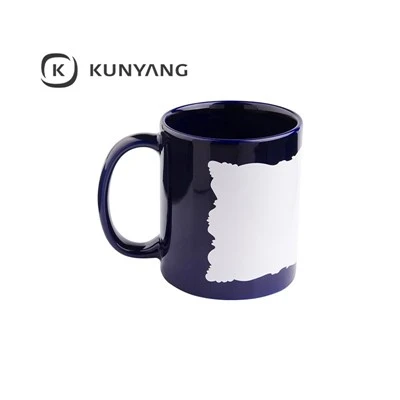
If you’re ready to chat through your specific canning plan—whether it’s a small batch of jam, a big sauerkraut project, or something in between—just reach out. We can walk you through sizes, answer any other questions you have, and make sure you get exactly what you need, no guesswork required.
Halloween Ceramic Mug References:
- National Center for Home Food Preservation. (2023). Canning Jar Sizes and Headspace Requirements.
- Ball Canning. (2022). Beginner’s Guide to Canning Jar Selection.
- Ceramic Industry Magazine. (2021). Food-Safe Ceramic Packaging for Canning and Fermentation.
- University Extension: Home Canning Safety Guidelines. (2023). Jar Size Recommendations for Water Bath and Pressure Canning.
Zibo Kunyang Ceramic Corporation Limited
Zibo Kunyang Ceramic Corporation Limited is one of the most experienced ceramic jar manufacturers and suppliers in China. With abundant experience, we are committed to providing high quality customized ceramic mugs for global clients. Please feel free to buy the newest ceramic jar made in China here from our factory.
Address: No.3,Industrial Road 2, Zhangyi Industry district, Zhangyi village,Fengshui Town, Economic Development Zone, Zibo, Shandong Province, China
E-mail: info@kunyangtaoci.com
WebSite: https://www.kunyangceramic.com/
