If you’re reading this, you’re probably staring at a sand pump that should be moving slurry right now, but isn’t—whether it’s sitting idle on a construction site, a mining operation, or a wastewater treatment plant you run. As a sand pump supplier with over a decade of walking worksites, troubleshooting field calls, and sitting across from clients who’ve dropped tens of thousands on equipment that’s now not working, I get exactly how frustrating this is. A sand pump isn’t just a hunk of metal and motors; it’s the backbone of your project. A stalled pump means stalled work, missed deadlines, and maybe even extra costs for hiring temporary equipment. I’ve spent hundreds of hours helping clients fix these issues, and today I’m walking through the most common, practical, and science-backed reasons your sand pump might not be running—no overly technical jargon, just the stuff that actually shows up on jobsites every day. Sand Pump
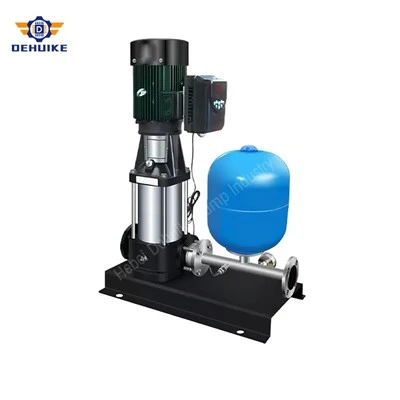
First, let’s start with the most obvious culprit, and the one I see every single week: improper priming. This sounds basic, but sand pumps are centrifugal pumps, right? They work by creating a vacuum that pulls slurry into the suction side, then accelerating it through the impeller and out the discharge. If there’s air or gas trapped inside the pump casing or suction line, that vacuum never forms. It’s called “cavitation” when that trapped air starts to erode parts, but before it gets that bad, you just have a pump that spins but moves nothing. I had a client last spring on a river dredging project who swore he primed the pump three times. Turns out, the suction hose had a small crack at the fitting where it connected to the pump. He’d fill the casing with water, but every time he turned it on, air would suck in through that crack. We fixed the fitting, re-primed correctly, and he had slurry moving in 10 minutes. How to check priming right? First, make sure the suction line is completely submerged under the slurry—no part of it sticking above the fluid surface. For self-priming pumps, open the vent on the top of the casing until water flows out steadily with no bubbles, then close it. For non-self-priming models, you have to fill the entire casing and suction line with water before starting, and make sure all fittings are airtight. If you see bubbles coming out of the vent when you prime, there’s an air leak somewhere— that’s your first stop.
Next, impeller issues. The impeller is the heart of the centrifugal pump, and sand is abrasive. A lot of people forget that sand pumps aren’t like water pumps—they’re built to handle solid-laden slurry, but even they have limits. Over time, sand can wear down the impeller vanes, or if you ran the pump dry for even a minute, those vanes can warp or crack. I’ve seen impellers so eroded that half the vanes were gone, and the pump still spun, but it was moving less than half its rated capacity. Sometimes, the impeller isn’t broken, it’s just clogged. If you had a batch of extra coarse sand, or maybe even a rock that got sucked into the suction line and stuck between the impeller and the volute (the curved part that directs flow), the pump can’t move anything. Last month, a construction client of mine called at 7 a.m. saying his pump wouldn’t discharge. We showed up, shut it off, pulled the suction line, and found a 2-inch gravel rock wedged right in the impeller. Once we pulled that out, it ran perfectly. How to check this safely? Always disconnect power first—never work on a pump that’s plugged in. For most horizontal sand pumps, you can remove the access plate on the volute to peek at the impeller. If you see sand buildup or a foreign object, gently pull it out (no tools with sharp edges, you don’t want to scratch the impeller). If the impeller looks worn—thinner vanes than when it was new, or pitting from cavitation—that’s a replacement job. Pro tip: if you’re handling extra abrasive sand, opt for an impeller made of high-chrome alloy instead of cast iron; it lasts 2-3 times longer in most cases.
Then there’s suction and discharge line blockages, which are less about the pump itself and more about the system around it, but they make the pump seem like it’s broken. Let’s break this down. Suction line blockages: this usually happens if you’re working with sand that has a lot of debris, or if the suction line is too small for the pump’s capacity. A common mistake I see is a client buying a pump that’s rated for 100 GPM (gallons per minute) and using a 2-inch suction line, when the pump actually needs a 3-inch line to keep up. The smaller line restricts flow, so sand and debris build up in the line, blocking it. Discharge line blockages are even more frequent—especially if you’re pumping long distances. If the discharge line has sharp bends, or if slurry has built up and solidified in the pipe (especially if you turned the pump off and left slurry sitting in the line for a few hours), that creates a clog. I had a mining client last summer who turned his pump off for a weekend to fix another part of his operation. When he tried to start it Monday, nothing came out the discharge. We had to disassemble 50 feet of the discharge line and chip out a 10-foot section of solidified sand slurry. The fix here is simple, in theory: make sure your suction line is at least one size larger than the pump’s suction port, avoid sharp bends (use long-radius elbows instead), and if you have to shut the pump down for more than 15 minutes, flush the lines with clean water to prevent slurry from setting. If you do get a blockage, disconnect the line at the pump first to check—don’t just crank the pump harder, that can damage the motor or impeller.
Motor issues are another big one, and this isn’t just “the motor won’t turn on” — sometimes the motor runs, but the pump doesn’t move. Electrical problems: a tripped breaker, a blown fuse, or loose wiring connections. I’ve had so many clients blame the pump when really their site power had a tripped circuit from another tool they used that morning. Mechanical motor issues: if the pump’s coupling (the part that connects the motor shaft to the pump shaft) is broken, or if it’s misaligned, the motor spins, but the pump doesn’t turn at all. Last year, a landscaping company called saying their sand pump for a beach replenishment project wasn’t working. I showed up, turned on the motor, and heard a loud grinding noise. Turns out, the coupling pin had sheared—so the motor was spinning, but there was no connection to the pump. That’s why it sounded like it was running, but nothing was happening. How to test this? First, check the power supply with a multimeter to make sure you’re getting the correct voltage. If power is good, shut it off, remove the coupling guard, and try turning the pump’s shaft by hand (once power is disconnected, never spin it with the motor). If the shaft won’t turn, you’ve got a seized pump—likely from being left full of slurry in cold weather, or a bent impeller. If it turns, check the coupling for broken pins or misalignment. Misalignment is common after moving the pump around a jobsite, so a quick realignment with a feeler gauge usually fixes that.
Then there’s hydraulic overload, which is when the pump is working too hard to move slurry, and the motor is drawing more power than it’s rated for, leading to a thermal overload switch that cuts power to protect the motor. This happens when you’re pumping sand that’s too dense, or when the suction head is too high. Suction head is the vertical distance from the slurry surface to the pump’s suction center. If that distance is more than the pump’s maximum suction lift (most standard sand pumps max out at 25 feet of lift, but for coarse sand it’s even less), the pump can’t pull the slurry up, so it strains. I had a construction client trying to pump sand from a 30-foot deep pit with a standard sand pump, and every time he turned it on, the motor would trip in 2 minutes. We switched him to a submersible sand pump, which sits at the bottom of the pit, so it doesn’t have to pull slurry up that long distance, and it worked. Overload can also happen if you’re running the pump at the wrong speed—if you throttled the discharge valve to reduce flow without adjusting the motor speed, that increases the pump’s load. Always follow the pump’s rated speed, and use variable frequency drives (VFDs) if you need to adjust flow; that prevents overload and saves energy too.
I also want to address something that’s easy to miss, especially if you’re new to using sand pumps: the type of slurry you’re pumping. Not all sand is the same. Fine, smooth river sand vs. coarse, angular quarry sand—angular sand is much more abrasive, so it wears down pump parts faster, and requires a pump with thicker impellers and volutes. If you tried using a water pump for sand, that’s a non-starter, but even some lower-quality sand pumps aren’t built for dense slurry. If your pump is rated for a maximum solids concentration of 30% by weight, and you’re pumping 50% solids, that’s going to strain the pump, cause clogs, and wear out parts in weeks instead of years. I always tell clients to tell me exactly what type of sand they’re pumping, how dense it is, and how far they need to move it, so I can recommend the right pump. If you already have a pump that’s not rated for your slurry, you might have to adjust the solids concentration by adding water to the mix, or upgrade to a heavier-duty model.
Let’s wrap this up with a quick troubleshooting checklist you can use right now, before you call a technician or a supplier: 1. Check power: Make sure breakers aren’t tripped, fuses aren’t blown, and connections are tight. 2. Verify priming: Disconnect power, fill the casing with water, open the vent—if bubbles come out, there’s an air leak in suction line or fittings. 3. Inspect impeller and suction line: Disconnect power, remove access plate, check for clogs, worn vanes, or foreign objects. 4. Check lines: Make sure suction line is the right size, no sharp bends, and discharge lines aren’t blocked or solidified. 5. Check coupling: Make sure the coupling is connected, not broken, and shafts are aligned.
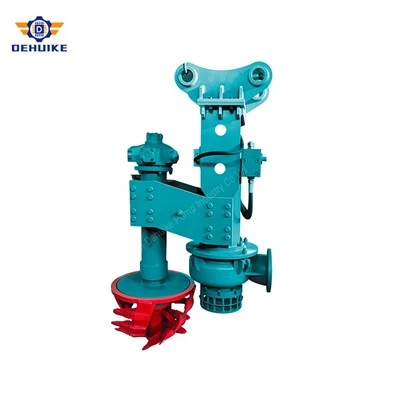
At the end of the day, most sand pump issues are fixable without replacing the whole pump, and most come down to simple missteps—forgetting to prime, using the wrong line size, running the pump dry for a second, or not flushing lines after use. If you’ve tried this checklist and your pump still isn’t working, or you’re not sure how to do any of these checks safely, feel free to reach out to our team. We’ve helped everyone from small construction crews to large mining operations get their sand pumps back up and running, and we can help you find the right solution for your specific jobsite needs. Whether you need parts, troubleshooting help, or a new pump built to handle your exact sand and slurry, we’re here to work with you.
Vertical Slurry Pump References:
- Karassik, I. J., Messina, J. P., Cooper, P., & Heald, C. C. (2008). Pump Handbook (4th ed.). McGraw-Hill Education.
- American Water Works Association. (2011). Centrifugal Pumps for Water and Wastewater Applications. AWWA Press.
- Slurry Pump Institute. (2020). Operation and Maintenance Guidelines for Abrasive Slurry Pumps. Slurry Pump Manufacturers Association.
- Hydraulic Institute. (2018). Pump Alignment Best Practices for Rotating Equipment. Hydraulic Standards Committee.
- Construction Industry Institute. (2019). Equipment Maintenance and Troubleshooting for Heavy Construction Operations. CII Publications.
Hebei Dehuike Pump Industry Co., Ltd.
Hebei Dehuike Pump Industry Co., Ltd. is one of the most experienced sand pump manufacturers and suppliers in China, featured by quality products and good price. Please rest assured to wholesale durable sand pump made in China here and get quotation from our factory. Customized orders are welcome.
Address: Building A, Shanggu Daguan, Jingxi District, Baoding City, Room 1708
E-mail: postmaster@dhkpump.com
WebSite: https://www.dehuikechina.com/
