Hey there, thanks for stopping by—if you’ve ever stared at a product and wondered why some labels look like crinkly metal while others feel like thick plastic, you’re not alone. I’ve spent the last 8 years supplying aluminum labels to all kinds of industries, from outdoor gear brands to industrial equipment makers, and let me tell you, the “vinyl vs. aluminum” question is one I get asked at least once a week. A lot of people assume they’re interchangeable, but once you dig into the details, the differences aren’t just cosmetic—they can make or break a product’s performance, durability, and even its cost. Aluminum Label

Let’s start with what each label actually is, because that’s the foundation of everything else. Vinyl labels are super common—they’re made from a type of flexible plastic (usually polyvinyl chloride, or PVC, though some newer ones are PET for a greener take) that’s printed on with inks and then laminated with a clear protective top layer. They’re lightweight, bendable, and you can mold them around curved surfaces like a water bottle or a bike handlebar without much effort. Aluminum labels? Well, like the name says, they’re thin sheets of aluminum—usually 0.004 to 0.01 inches thick, so they’re not rigid, but they hold their shape way better than vinyl. We cut them to custom sizes, etch or print the design directly onto the metal (not just a surface layer), and sometimes cover them with a clear epoxy for extra protection.
Now, the big one: durability. This is where the two split hard. Let’s talk about outdoor use first, because that’s where most of our customers struggle. Vinyl labels? I’ve seen them peel off a surfboard after 6 months of saltwater and sun. Fade? Try a label on a construction tool left out in the rain—vinyl ink will start to wash off in a year, max. Scratches? Scuff the top layer of a vinyl label, and the print under it’s gone. Aluminum? Aluminum is naturally corrosion-resistant (thank you, that thin oxide layer that forms on its surface) and when we print it directly onto the metal (instead of a separate ink layer), that print is part of the label, not just stuck on top. I have a label we made for a marine company 5 years ago that’s still on a boat’s engine—it’s not faded, no scratches came through, and it never peeled even when the boat was left on a dock all winter. Even in extreme temps: vinyl will get brittle in below-freezing weather and crack, or soften and bubble in a 120°F warehouse. Aluminum? It doesn’t care—stays flexible when cold, doesn’t deform when hot. That’s why you’ll see aluminum labels on heavy machinery, military gear, and aviation parts—stuff that can’t afford a label falling off mid-use.
Flexibility vs. rigidity is another point. Vinyl is flexible—perfect if you need a label to wrap around a round or irregular surface. I’ve supplied vinyl labels for phone cases, yoga mats, and even some disposable electronics. But here’s the catch: if the surface is metal (like a propane tank), vinyl might not stick as well because it’s too soft. Aluminum, on the other hand, can be bent to match curves, but it has that slight spring back. Wait—spring back is a thing. If you bend an aluminum label too tight around a tiny curve, it won’t hold that shape permanently; it’ll try to flatten out. Vinyl will hold whatever shape you mold it to. So if your product is something like a disposable vape pen where you need a tight, curved fit around a thin cylinder, vinyl might work better. If it’s a metal valve cover that’s flat but has slight edges, aluminum is your guy.
Then there’s adhesion and installation. Vinyl labels usually come with a pressure-sensitive adhesive (PSA) on the back—peel and stick, that’s it. Super easy for manufacturers who just slap them on a conveyor belt. Aluminum labels also use PSA, but because the metal is stiffer, you can’t just lay it on a flat surface and press it like vinyl. You have to make sure the surface is completely smooth and clean (no grease, no dust) because any little bump will cause the aluminum to lift at the edges. We usually tell customers to use a roller to press the whole label down after applying, which is a small extra step but worth it for the durability. And once an aluminum label is on, it’s there to stay—no peeling off accidentally, which is a huge plus for things like food packaging that needs to meet regulatory standards; you can’t have a label falling off into the product.
Cost is a big factor too, right? I get it, not every business has a big budget. Vinyl labels are cheaper upfront—material is less, printing is faster, no extra steps for metal prep. For small runs (like 100 labels), vinyl might cost half what aluminum does. But wait, let’s do the math over time. I had a customer who switched from vinyl to aluminum for their industrial pump labels. At first, they paid 3x more per label, but their return rate for peeling/faded labels dropped by 90%. They weren’t replacing broken labels anymore, so over a year, they saved way more than they spent on aluminum. For small runs, vinyl makes sense—like if you’re making custom event swag and only need 50 labels, you don’t want to waste money on aluminum. For long-term, high-use products (where labels are exposed to the elements or heavy use), aluminum pays for itself.
Wait, also, environmental stuff—people are asking about that now, so I can’t skip it. Vinyl labels are mostly plastic, so they’re not recyclable with regular recycling (since they’re stuck to adhesives and inks). Some PET vinyl is recyclable, but it’s not as easy as aluminum. Aluminum labels are 100% recyclable, and the adhesive can be removed easily if needed. That’s a big win for brands that want to reduce their carbon footprint. Though, I should note—if you’re trying to be super green, both labels can have eco-friendly inks, but aluminum’s recyclability is a no-brainer.
Let me throw in a real example to make this concrete. Last year, a customer came to me with a problem: they made camping stoves, and their vinyl labels kept peeling off after a few weeks of use. The stoves get left in rain, snow, and are scrubbed clean after each trip. We supplied them with aluminum labels—etched with their brand name, model number, and safety warnings, covered in a clear epoxy. A month later, they came back and said not a single label had peeled. They even sent a photo of a stove that had been accidentally left out in a thunderstorm for 3 days— the label was still sharp, no fade. That’s the kind of thing vinyl just can’t do.
But don’t get me wrong—vinyl isn’t bad. It’s great for disposable items, promotional stuff, and products where flexibility or low cost is key. I recently made vinyl labels for a local brewery’s bottle neck tags—they needed something thin, bendable, and cheap enough to not worry about if a few got damaged during shipping. That was the perfect use case. The mistake people make is assuming one works for everything. If you’re selling a product that’s going to see rough treatment, aluminum is non-negotiable. If it’s a one-off promotional item that’s used indoors, vinyl is fine.
Another thing: print quality and customization. Vinyl uses digital printing, which is super sharp for small details, and you can do full-color graphics easily. Aluminum can also be printed digitally, but we often do etching for a more matte, industrial look that’s hard to replicate with vinyl. Etched labels are also more resistant to scratching—if you scratch an etched aluminum label, you’re just removing the clear coat, not the print. Vinyl scratch, and the print is gone. So if you want a bold, long-lasting brand mark on a product that’s going to be handled a lot, etched aluminum is the way to go.
Wait, let’s recap the key differences to make it easy:
- Material: Vinyl = flexible plastic; Aluminum = thin metal sheet
- Durability: Aluminum beats vinyl by a mile (corrosion, fade, scratch resistance)
- Flexibility: Vinyl is bendable to any curve; aluminum holds shape but can be bent for smooth curves
- Installation: Vinyl is peel-and-stick; aluminum needs a smooth surface and a roller
- Cost: Vinyl is cheaper upfront; aluminum saves money long-term for high-use products
- Eco-friendliness: Aluminum is 100% recyclable; vinyl is mostly non-recyclable
I’ve talked to so many people who’ve wasted money on vinyl labels for industrial gear because they didn’t know the difference. The last thing I want is for you to make that mistake. If you’re not sure which one is right for your product, send me the details—what’s your product? Where will it be used? How many labels do you need? I can walk you through the pros and cons specific to your needs.
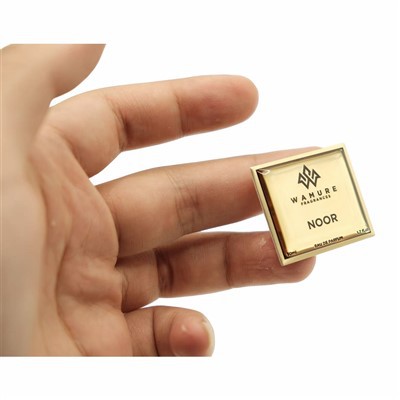
I work with brands of all sizes, from startup founders to big corporations, and I don’t push aluminum on everyone— I tell you if vinyl is the better pick too. Because at the end of the day, I want my customers to have labels that actually work for their products, not just whatever I sell. If you’re ready to chat through your project, hit me up. No sales pitches, just straight talk about what’ll work best for you.
Sticker References
- Aluminum Association. (2023). Aluminum Corrosion Resistance & Applications. Retrieved from industry technical papers on aluminum material properties
- Vinyl Institute. (2022. Understanding Vinyl Label Durability for Consumer and Industrial Products. Retrieved from vinyl industry technical resources
- Label and Naming Society. (2021). Comparative Analysis of Label Adhesion and Material Lifespan. Journal of Industrial Labeling Applications, Vol. 12, Issue 3
Guizhou Mingguan Sign Nameplate Products Co., Ltd.
We’re well-known as one of the leading aluminum label manufacturers and suppliers in China. With abundant experience, we warmly welcome you to wholesale bulk customized aluminum label at low price from our factory. For quotation and free sample, contact us now.
Address: Xinpu New District, Zunyi City, Guizhou Province of China
E-mail: zhangyixuanmglabel@126.com
WebSite: https://www.mingguan-label.com/
