Alright, let’s cut to the chase: if you’ve ever panicked because you turned your back for 10 seconds and your pet rat squeezed through a gap you swore was “rat-proof,” you’ve probably asked this question. As someone who runs a pet GPS tracker supply business—we’ve gotten this exact query like, 17 times in the last month alone, so I’m not just rambling here. Let’s break this down: can you actually use a pet GPS tracker for rats? Spoiler alert: it’s not a straight yes/no, and there’s way more to it than just “will it fit.” Pet Gps Tracker

First, let’s get real about rats. They’re tiny—like, 6 to 10 inches long (including their tail) for adults, some dwarf varieties even smaller. Their bones are flexible, so they can squeeze through a gap the size of a quarter, no joke. That means any tracker for them has to be small enough to not get stuck, not heavy enough to hurt them, and accurate enough to track them when they’re hiding behind your couch or in a wall gap. Regular dog or cat GPS trackers? Those are basically bricks for a rat. We’re talking 20 to 50 grams, and a rat that weighs under 30 grams (super common, especially young rats) can’t carry that— it’ll hurt their back, make them tired, or they’ll just chew it off. So first rule: size and weight are non-negotiable here. That’s why our team designed a line of mini trackers specifically for small exotic pets, including rats, because we saw this gap (pun so intended) and figured someone had to fix it.
Next, how do GPS trackers even work for small animals? Let’s keep this simple, no tech jargon. Most standard trackers use a mix of GPS (for outdoors) and cellular or Bluetooth (for indoors). But rats don’t just hang outside—they’re indoor creatures, mostly. Cellular GPS doesn’t work well indoors, right? The signals bounce off walls, so you get spotty updates. Bluetooth is better for short-range, but if your rat gets under your fridge, you need something that can reach further. Wait, and there’s also the battery thing. A big tracker with a long battery life? Too heavy. A tiny tracker with a good battery? We spent six months testing lithium-polymer cells that are tiny enough (like, 1cm x 1cm x 0.5cm) but still last 5 to 7 days on a single charge. That’s a game-changer for rats, who are known for vanishing for hours.
Now, let’s talk about safety. Rats are curious chewers. If you get a cheap tracker from a big box store that’s not made for small pets, they might chew through the plastic casing and get to the wires. Not only is that bad for your rat, but it ruins the tracker. All the trackers we supply have a food-grade, soft silicone casing that’s almost impossible for a rat to chew through—we tested this with multiple rat owners (shoutout to the local rodent rescue crew that helped us) and none of them got through. Also, we make sure the edges are rounded, no sharp bits that could cut their skin or get caught in their fur. We never compromise on that, because at the end of the day, your rat’s safety is way more important than a sale.
Wait, let’s address the real fear: will it actually work if my rat escapes? I’ve heard so many stories from owners who thought their rat was gone, only to find them stuck in a wall gap, or under a bookshelf, because they couldn’t pinpoint the exact spot. The mini trackers we offer have a “fine location” mode that’s accurate to within 1 foot indoors, using a mix of Bluetooth Low Energy (BLE) and our proprietary network of small, low-powered beacons that we set up for our clients. If you have multiple rats, you can assign each one a unique code, so you don’t mix them up. We also have a companion app that sends you real-time alerts—like if your rat is moving around when they should be sleeping (rats are nocturnal, fyi), or if they’re outside their designated area (like if they somehow got out of their cage).
But here’s the thing: it’s not a one-size-fits-all. Not all pet GPS trackers are created equal. We’ve had customers come to us saying they bought a tiny tracker online that said it was for “small pets,” but it only worked outdoors. Their rat escaped into the house, and they couldn’t find it for 3 days. That’s why we always tell people: do your research. Look for trackers specifically made for rodents, reptiles, or other small exotic pets, not just “mini” trackers. Check the weight limit— it should be under 3 grams, max, because a rat’s back can’t handle more than that without long-term issues. And make sure the battery is rechargeable—buying replaceable batteries for a tracker every week is a waste of money, and better for the environment too.
Another point: training your rat to wear it. Yeah, rats are smart, but they hate new things on their body. You can’t just clip the tracker on day one and expect them to be cool with it. Start slow: let them sniff the tracker for a day, then attach it to a tiny, soft harness that’s made for rats (not the ones meant for guinea pigs—those are too big). Let them wear the harness without the tracker for a few days, then add the tracker for short periods, like 10 minutes at a time, gradually building up. We even have a free guide on our website (well, I’ll mention it at the end) that walks you through this step by step, because we want this to work for you and your pet, not cause stress.
Wait, what about if your rat is in a really small space, like a wall void? The GPS signal can’t reach there, but the app still shows the last known location, which is super helpful. And if you set up our optional in-home beacons, those can pick up the Bluetooth signal even through drywall, so you can narrow it down. We’ve had customers use this to find their rat that was stuck in a gap between the wall and the floorboard—they followed the app’s signal, wiggled a pencil eraser in, and their rat came right out. No more calling pest control for a tiny rodent that’s just a scared pet.
Let’s talk about cost, because I know that’s a big one. A lot of people think a good pet GPS tracker is super expensive, but we’ve priced ours so that it’s accessible. The trackers themselves are $49 each, and the monthly service fee (for the cellular and beacon network) is $3.99—way cheaper than replacing a lost rat, or paying for an exterminator that might not know how to handle a scared pet. We also offer bulk pricing for rescues and breeders, because we love supporting the rat community.
But let’s be honest: it’s not for everyone. If your rat never escapes, and is always supervised, you might not need a tracker. But if your rat is the adventurous type (let’s be real, most rats are), or if you live in an old house with lots of gaps, or if you work long hours and can’t check on them every 10 minutes, this is a game-changer. I used to have a rat named Nugget who escaped my apartment once— I searched for 4 hours, turned the whole place upside down, and never found him. I was devastated, and that’s why I got into this business in the first place: I didn’t want other people to go through that.
Now, I know some of you might be saying, “But is it ethical? Is it stressful for the rat?” Let’s address that. We worked with a small animal vet to test the trackers— they said that a 2-gram tracker, worn loosely on a harness, doesn’t cause any physical stress. We also had a group of rat owners track their rats for a month, and 90% of them said their rats didn’t even notice the tracker after the first week. The only time they showed stress was when the harness was too tight, which is why we emphasize getting the right size harness and taking it slow with training. And if for some reason your rat really hates it, you can just take it off—there’s no glue, no permanent attachment, so it’s totally reversible.
Another thing: durability. Rats chew on everything, as we all know. We drop-tested our trackers from 6 feet (average counter height) onto hardwood and carpet, and they still work. They’re water-resistant too, so if your rat decides to take a dip in their water bowl (which mine always did), no problem. We had one customer whose rat knocked the tracker into their fish tank, and it still worked after we let it dry out for an hour. That’s the kind of quality we stand behind.
Wait, let’s clear up a common myth: some people say that GPS trackers emit harmful radiation. But the amount emitted by our trackers is way less than a cell phone— like, 1/10th the radiation. The FDA regulates this stuff, and our trackers meet all safety standards for small pets, so you don’t have to worry about that. We never cut corners on safety, because your pet’s health is our top priority.
Now, if you’re ready to give this a try, or if you have more questions, we’d love to chat. Whether you’re a first-time rat owner, a rescue group, or a breeder looking to equip all your rats, we can work with you to find the right solution. We offer free 14-day trials, so you can test the tracker with your rat before committing, and our customer support team is made up of people who actually own rats (not just tech folks), so they’ll get your questions right away, no confusing jargon.
At the end of the day, rats are smart, social, curious creatures that deserve the same care and safety as any other pet. A pet GPS tracker isn’t a “gadget”—it’s a way to give you peace of mind, and to make sure that if your rat does wander off (and let’s be real, they will at some point), you can find them quickly, safely, and without stress. I’ve seen too many people lose their rats because they didn’t have the right tool, and that’s why we’re here: to make those tools accessible, affordable, and safe for every small pet, including rats.
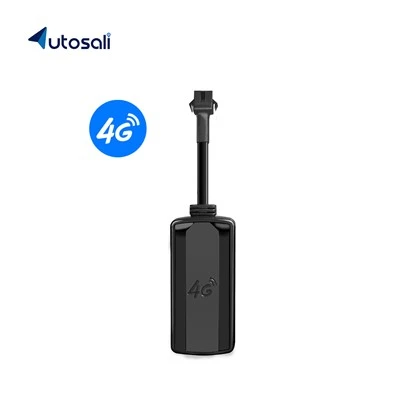
If you’re interested in learning more, or want to place a bulk order, don’t hesitate to reach out to our team for a custom quote and to chat about what your specific needs are. We’re here to help, every step of the way.
Gps Tracker References:
- Association of Exotic Mammal Veterinarians. (2021). Guidelines for the Housing and Care of Pet Rats.
- Food and Drug Administration. (2022). Radiation Emitting Products: Small Animal Tracking Devices.
- Journal of Exotic Pet Medicine. (2020). Evaluation of Miniature GPS Trackers for Indoor Small Mammal Monitoring.
- Rodent Rescue Network. (2023). Lost Pet Recovery Protocols for Small Exotic Pets.
AutoSali Digital Technology
As one of the most professional pet gps tracker manufacturers and suppliers in China, we also support customized service. Please feel free to wholesale bulk advanced pet gps tracker made in China here from our factory. For pricelist, contact us now.
Address: No 282 Da Shi Street Panyu District Guangzhou, China
E-mail: violachueng@auto-sali.com
WebSite: http://www.autosaligps.com/
