Hey guys, let’s cut to the chase—if you’ve ever assembled anything from a kitchen cabinet to a bridge, odds are you’ve held a bolt. But have you ever stopped to think about what that bolt is actually made of? Most of the time, it’s carbon steel bar. I’ve been supplying carbon steel bars for bolts for over a decade now, and I still get questions all the time from folks who think “carbon steel is just steel, right?” Nah, there’s way more to it than that, and choosing the right carbon steel bar for your bolts isn’t something you can wing. Let’s break this down like we’re chatting over a coffee, no fancy jargon overload. Carbon Steel Bar
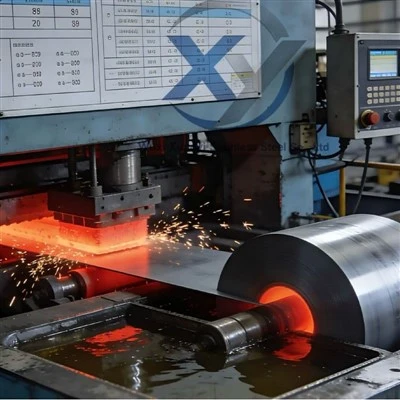
First off, let’s get the basics straight. Carbon steel, at its core, is iron mixed with carbon—no big fancy alloys like stainless steel’s chromium or aluminum’s lightweight stuff. The amount of carbon is the main player here; that’s what decides how strong, hard, or ductile the final bolt will be. For bolts, we’re talking about low to medium carbon grades mostly, not the super high carbon that’s too brittle for thread cutting or tightening. Wait, ductile just means it can bend a little without snapping, right? Perfect for bolts that get twisted and pulled on all day.
Now, why is carbon steel the go-to for bolts instead of, say, stainless? Yeah, stainless doesn’t rust as bad, but it’s way pricier. And for most applications—like framing a house, holding together farm equipment, or even assembling heavy machinery—you don’t need that extra corrosion resistance. Carbon steel checks all the boxes: strong enough, cheap enough, easy to work with. That’s why it’s like 90% of the bolts you’ll see on a construction site or in a car engine. I’ve seen people switch to stainless “just in case” and then waste half their budget when it’s totally unnecessary. Don’t do that.
Let’s talk about the specific grades we use for bolt bars, because not all carbon steel is made equal. The most common ones? We’re talking 1018, 1045, and 11L41. Wait, let’s keep it simple: 1018 is the workhorse. It’s low carbon, super ductile, cuts like a dream, and can be shaped into all kinds of bolt heads—hex, flange, whatever you need. That’s the grade for regular bolts, the ones you use for general construction, furniture, small machinery. Then there’s 1045, medium carbon. This one’s way stronger, hardens up nicely when we heat-treat it, so it’s for bolts that need to take a beating—like big anchor bolts for bridges or heavy equipment holds. If you need a bolt that won’t stretch when you crank it down tight, 1045’s your guy. And 11L41? That’s the free-machining grade. Add a little sulfur and lead, so it cuts even easier, no burrs, perfect for mass-producing bolts for things like automotive assembly lines where speed matters.
Wait, how does that bar turn into a bolt anyway? Let’s walk through the quick process, since I know a lot of buyers don’t see the supplier side of things. First, we get the carbon steel bar rolled to the exact diameter the customer needs—say 1/2 inch or 3/4 inch, whatever size bolt they’re making. Then, the bar goes to the bolt manufacturer, who cuts it to length, heats the end, stamps on the bolt head (that’s called heading, by the way), rolls the threads, and maybe heat treats it to add strength. The bar quality here is make or break. If the bar has tiny bubbles or uneven carbon distribution, the bolt will snap mid-tightening, and that’s a huge headache. I’ve seen a few bad batches come through where someone skimped on bar quality, and it was a nightmare for the bolt makers—rejects left and right, delayed orders. That’s why we test every single bar we ship: check the carbon content, do hardness tests, make sure there are no hidden flaws. No cutting corners here, that’s how we stay in business.
Now, let’s get into the nitty-gritty of when you’d pick which carbon steel bar. Let’s say you’re a home builder putting up interior walls. You need common #12 wood screws or regular hex bolts to hold studs together. 1018 bar is perfect—cheap, easy to machine, strong enough for drywall and framing. No need for anything fancier. But if you’re building a highway overpass, those big anchor bolts that go 6 feet deep into concrete? You need 1045. That bolt has to hold 100 tons of weight, resist being pulled out by earthquakes or heavy traffic. 1018 would stretch like taffy, snap way too easy. What about a small engine manufacturer making thousands of bolts for a new car? 11L41 is the way to go. It cuts so fast, no extra work, mass produces perfectly, keeps their production line moving. No bottlenecks from bad machining.
Wait, a common question I get: “What about coating?” Carbon steel rusts, right? So bolts get coated—zinc, galvanized, even black oxide. That doesn’t change the bar itself, though. The bar is still carbon steel, the coating is just a finish to prevent rust. Some people think the coating is the material, but nope, the core is still that carbon steel bar we supply. So when you’re ordering, tell the bolt maker what grade of bar you need, and they’ll handle the coating. Just make sure you match the bar to the application, not just the finish.
Another thing: strength ratings. Bolts have grades, right? Like Grade 2, Grade 5, Grade 8. That lines up exactly with the carbon steel bar. Grade 2 bolts are 1018, low tensile strength. Grade 5 is 1045, medium strength. Grade 8 is even higher carbon, heat treated, super strong. So if you need a Grade 5 bolt, you’re using 1045 carbon steel bar. It’s all connected. I can’t tell you how many times a customer will call up and say “I need Grade 8 bolts” and I have to confirm that their bar supply is matching that. Mess that up, and you’ve got bolts that don’t meet code. That’s a legal headache, too—construction codes require certain strength grades for structural bolts. We make sure every batch is certified, so the bolt maker can use our bars and meet all the code requirements.
Let’s talk about cost, because that’s a big one for everyone. Carbon steel bar is way cheaper than stainless, alloy steel, titanium—whatever. That’s why it’s the most used material for bolts. Even compared to other carbon steel bars, the grades for bolts are priced right in the sweet spot. 1018 is the cheapest, 1045 is a little more, but still way less than non-carbon options. So if you’re on a budget, carbon steel bar for bolts is the obvious pick. The only time you’d go for something else is if you’re working in a super corrosive environment—like a coastal pier where salt air will eat through bolts, or a chemical plant where acids are present. Even then, we have some surface treatments that can help, but sometimes stainless is necessary. But 9 times out of 10, carbon steel is the move.
Wait, let’s address some common misconceptions I hear all the time. First: “Carbon steel is heavy.” Yeah, it’s denser than aluminum, but that’s a good thing for bolts—strength comes from density, basically. You don’t want a bolt that’s light and flimsy, right? Second: “All carbon steel is the same.” Nope, like we talked about, carbon content changes everything. A bar with 0.1% carbon is totally different from a bar with 0.45% carbon. Third: “You can use any carbon steel bar for bolts.” No way. If you use a high carbon bar that’s too brittle, the bolt will snap when you tighten it. If you use a low carbon bar that’s too soft, it’ll strip the threads. It’s all about matching the grade to the job.
From a supplier’s perspective, the biggest thing we do is communicate. A lot of new buyers will come to us and say “I need carbon steel bar for bolts, give me a price.” But when we ask them what application it’s for, what size, what strength grade, that’s when we can give them the right bar. Last year, a guy from a small farm supply shop came to me, said he needed bolts for his tractor implements. I asked him if he was just attaching plow blades, or lifting heavy bales, and turned out he needed 1045 bar for the axle bolts. If I’d just given him cheap 1018, those bolts would’ve snapped the first time he hauled a ton of hay. He came back a month later and ordered double his usual volume, said the bolts we supplied held way better than his old ones. That’s why we’re not just a supplier—we’re a resource. We help you pick the right bar, no hidden fees, no pushing you to buy something you don’t need.
What about quality control? That’s non-negotiable for us. Every batch of carbon steel bar we ship gets tested: we check the chemical composition to make sure the carbon is exactly where it should be, do a tensile test to confirm strength, check for any surface defects that would mess up machining. We keep certificates for every batch, so if a bolt maker has a question about a bar, we can send over the proof. I’ve seen other suppliers skip testing to cut costs, and they end up with bad batches that ruin relationships with their customers. We’ve been in this for 12 years, and word of mouth is everything. If a customer trusts us, they’ll keep coming back.
Now, let’s get to the point: who is this for? If you’re a bolt manufacturer, we supply you with the exact carbon steel bar you need, tailored to your production. If you’re a construction company that makes your own specialty bolts (yes, some big companies do that), we’ve got the grades, sizes, and certifications you need. Even if you’re a small business owner making custom parts, we can cut bars to length for you, no minimum order (wait, not like tiny bars, but we don’t make you buy 10 tons at a time, which is a big plus for small folks).
Look, at the end of the day, carbon steel bar for bolts is the unsung hero of almost every industry. It’s strong, affordable, versatile, and when you pick the right grade, it does exactly what you need it to do. I’ve seen bridges stand for decades because of the right bolt, farm equipment that runs for 20 years because of the right bolt, and I’ve helped supply the bar that made that happen. If you’re in the market for carbon steel bar for bolts, whether you need a small order or a bulk shipment, hit us up. We’ll walk you through what grade you need, answer all your questions, no sales pitch nonsense. Just real talk, solid product, and fair pricing.

Don’t overcomplicate it. Carbon steel bar isn’t some fancy secret material—it’s the workhorse that holds our world together, one bolt at a time.
Stainless Steel Bar References
- ASTM A325 / A325M, Standard Specification for Structural Bolts, Steel, Heat Treated, 120 ksi (830 MPa) Minimum Tensile Strength
- ASTM A574, Standard Specification for Steel Bars, Carbon and Alloy, Cold-Finished, for Bolting
- ASME B18.2.1, Square and Hex Bolts and Screws, Inch Series
- Carbon Steel: Properties, Production, and Applications – World Steel Association, 2022
- Bolt Materials and Grades – Fastener Engineering Magazine, 2021
Wuxi Xuanyi Stainless Steel Co., Ltd.
Wuxi Xuanyi Stainless Steel Co., Ltd. is one of the most professional carbon steel bar manufacturers and suppliers in China. With abundant experience, we warmly welcome you to wholesale bulk durable carbon steel bar made in China here from our factory. If you have any enquiry about cooperation, please feel free to email us.
Address: 1207-1208, Building 11, Shengang Metropolis Plaza, No. 299 Fangcheng Avenue, Xinwu District, Wuxi City,China.
E-mail: jscherryxy@163.com
WebSite: https://www.xuanyisteel.com/
