If you’ve ever sat aboard a commercial jet as it touches down, you’ve felt that gentle (or sometimes not-so-gentle) thud that signals the main landing gear taking the brunt of the aircraft’s weight and speed. As someone who’s spent the last 12 years supplying landing gear components to regional jet and business aircraft operators across North America, Europe, and parts of Asia, I hear the same question all the time: “What exactly is main gear overload, and why does it matter so much for my fleet?” Landing Gear

Let’s break it down simply, starting with the basics. The main landing gear is not just a set of wheels under the wings—for most aircraft, it’s the structural backbone that supports 80 to 90 percent of the airframe’s weight during takeoff, landing, and ground operations. It’s engineered to handle a specific load limit, a number set by the aircraft’s original equipment manufacturer (OEM) after thousands of test landings, stress simulations, and real-world operational data. That limit is called the maximum landing weight, and it’s non-negotiable—until recently.
Main gear overload happens when the force applied to that structural framework exceeds that designed limit. But it’s not just about carrying too much weight. It’s a combination of weight, speed, and the way that force is applied during contact with the runway. Think about it: if you drop a 10-pound bag of flour from waist height, it splits. Drop that same bag from shoulder height, and the flour spills out even more. Same weight, different force—same idea with landing gear. A plane landing 10 knots over its designated landing speed, even if it’s only a few thousand pounds over its max landing weight, can generate enough sudden force to overload the main gear long before the aircraft ever crosses the runway threshold.
I’ve seen this play out firsthand. Two years ago, a regional carrier customer sent us a set of main gear struts for inspection. They’d had a hard landing in a light crosswind, and the struts showed unusual cracking in the torque links. Their initial report said the aircraft was 2,000 pounds under its max landing weight and only 5 knots over speed—numbers that should have been fine on paper. But when we ran the load calculations, we saw the crosswind had shifted the weight distribution to the right main gear, pushing that single leg 15 percent over its individual load limit. That’s overload, even if the total aircraft weight was well within spec. It’s not just total weight; it’s load per component, and uneven weight distribution amplifies that risk more than most operators realize.
Another common culprit of main gear overload is ground operations. I’ve worked with operators who push back aircraft with heavy baggage still in the hold, or taxi across uneven tarmac with cargo loaded unevenly. One business aircraft client once had their main gear hubs warp after taxiing over a pothole at high speed, with the cabin full of passengers and extra fuel in the left wing. The sudden jolt of the aircraft dropping into the pothole created a dynamic load that exceeded the gear’s static limit—another form of overload that doesn’t happen during landing at all.
So why should this matter to you as an operator or fleet manager? Main gear overload isn’t a small, fixable issue. The struts, torque links, hubs, and tires are all precision-engineered parts that can’t stretch or bend beyond their limit. When overload occurs, even once, it creates micro-cracks in the metal that aren’t visible during a routine visual inspection. Over time, those cracks grow, leading to fatigue failure. We’ve seen cases where an operator ignored a minor hard landing report, thinking it wasn’t a big deal, and ended up with a main gear collapse during takeoff two years later. The cost? Not just the downtime for the aircraft, but potential damage to the airframe, insurance claims, and worst of all, safety risks for the crew and passengers.
Wait, you might be thinking, don’t aircraft have systems to prevent this? Yes, most modern jets have weight and balance computers that calculate landing load, but those systems rely on accurate data input. If a ground crew member misses a bag or miscalculates fuel load, the computer’s number is wrong. And for older aircraft that are still in service—think regional jets that are 20 or 30 years old—many don’t have advanced load monitoring systems at all. That’s where our work as a landing gear supplier comes in. We don’t just sell parts; we supply components designed to extend the life of gear that’s already seen years of service, and we work with operators to set up pre-emptive maintenance checks that catch overload damage before it becomes a hazard.
Let’s talk about how we spot overload, because that’s half the battle. Routine maintenance usually includes checking for wear and tear, but for overload-related damage, we use non-destructive testing (NDT) methods like ultrasonic testing and eddy current inspection. These tools let us see those micro-cracks that the human eye can’t. Last year, a client brought in a main gear set after a series of minor hard landings, and our NDT team found six micro-cracks in the main strut that would have turned into major failure within six months. Replacing those struts proactively cost them a fraction of what a mid-air gear failure would have cost, not to mention the regulatory fines that come with non-compliant aircraft.
I often get asked: what’s a safe way to operate to avoid main gear overload? The short answer is: follow the OEM’s weight and balance guidelines strictly, but also document every hard landing, even if it feels minor. Every time you land hard, send that gear in for an inspection—don’t wait for the next scheduled check. Uneven cargo distribution, crosswinds, and even high-speed taxiing can all create overload events that aren’t part of the official landing weight calculation.
As a landing gear supplier, we’ve built our reputation on understanding these nuances. We don’t just sell standard replacement parts; we work with each client to develop a custom maintenance plan for their fleet. For example, one European cargo operator has aircraft that fly multiple short legs a day, with frequent loading and unloading that shifts cargo weight. We worked with them to set up weekly gear inspections instead of monthly, and adjusted their replacement schedule for high-wear components like hubs and torque links, cutting their gear-related downtime by 40 percent in 18 months.
Another client story: a U.S.-based charter operator that runs business jets with variable passenger and cargo loads. They were seeing higher than expected gear failure rates, and their insurance provider was threatening to raise premiums after a close call. We helped them implement a real-time load monitoring system for their main gear, paired with quarterly NDT checks, and their failure rates dropped to zero within a year. That’s the kind of impact we aim for—not just selling parts, but solving problems before they become crises.
Now, I want to be clear: main gear overload isn’t a flaw in the design. It’s a human error risk that comes with every flight, every loading, every taxi. The good news is that it’s preventable with careful tracking, proactive inspections, and partnering with a landing gear supplier that knows the ins and outs of load management. Too many operators see landing gear as a “set it and forget it” part, but it’s the most critical structural system on the aircraft, and neglecting it can have serious consequences.
If you’re a fleet manager, maintenance director, or operator who’s ever wondered about your gear’s load capacity, or had a hard landing and weren’t sure if you need to inspect, reach out to us. We don’t do one-size-fits-all assessments. We’ll take the time to look at your specific aircraft, your operational patterns, and your maintenance schedule to help you build a plan that keeps your fleet safe and compliant. You don’t have to wait for a failure to take action—early insight can save you time, money, and peace of mind.
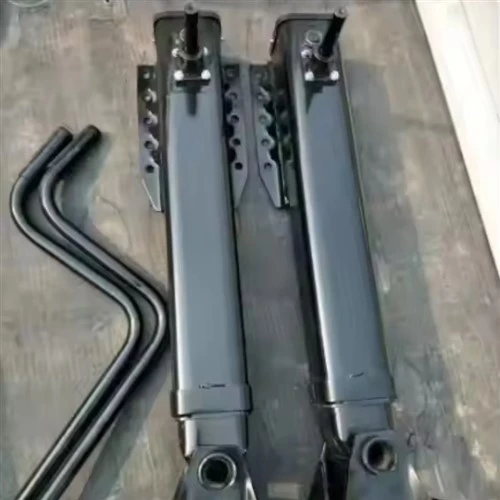
To learn more about how main gear overload affects your fleet, and how our landing gear solutions can help, get in touch to discuss your specific needs.
Garbage Truck References
- Federal Aviation Administration (FAA) Advisory Circular 25.1320-1: Airworthiness Standards: Transport Category Airplanes, Loads and Strength Requirements
- European Union Aviation Safety Agency (EASA) Certification Specification 25: Large Aeroplanes, Structural Design and Loads
- Landing Gear Reliability and Life Extension: SAE International Aerospace Recommended Practice (ARP) 5430
- International Civil Aviation Organization (ICAO) Manual of Loads and Balance for Aircraft, Doc 9137
Owin Vehicles Co., Ltd.
As one of the most professional landing gear manufacturers and suppliers in China, we also support customized service. With abundant experience, we warmly welcome you to wholesale advanced landing gear for sale here from our factory. Quality products and low price are available.
Address: Room 2428, Building 3, Aosheng Building, Licheng District, Jinan City, Shandong Province
E-mail: Owinvehicle@163.com
WebSite: https://www.owintrailer.com/
