If you’ve ever worked in industrial water treatment, you know that new reverse osmosis (RO) membranes aren’t just pieces of plastic and polymer—they’re precision-built tools that can make or break the performance of your entire water system. As an industrial RO membrane supplier, I’ve spent the last 12 years talking to plant managers, operations leads, and maintenance teams who’ve lost thousands of dollars worth of membrane capacity because they stored their new membranes incorrectly before installation. The kicker? Most of those mistakes are avoidable with simple, science-backed practices that take almost no extra effort. Today, I want to break down exactly what works, what doesn’t, and why the way you store new RO membranes before pulling them out of the box can mean the difference between a membrane that lasts 5 years and one that needs replacement in 18 months. Industrial RO Membrane

First, let’s ground this in what an RO membrane actually needs to stay functional in its pre-installation state. Industrial RO membranes are made of thin, semi-permeable polyamide layers, cast onto a porous support, and saturated in a specific storage solution at the factory. That solution—usually a mix of preservatives like sodium bisulfite (SBS) or formaldehyde, plus a buffer to keep the pH stable—isn’t just there to keep the membrane wet; it’s designed to prevent biofouling, microbial growth, and degradation of the thin polyamide layer during transit and storage. The polyamide layer is extremely sensitive to extreme temperatures, drastic pH swings, and exposure to air or contaminants, so any misstep during storage breaks that factory-preserved balance.
The biggest mistake I see is ignoring temperature control. Over my career, I’ve heard stories of membranes stored next to a loading dock in Phoenix where summer temperatures hit 115°F, or left in a cold Michigan warehouse where winter temps dropped to 10°F— both environments that destroy membrane performance fast. Let’s get specific here: the ideal storage temperature for new RO membranes is between 40°F (4°C) and 85°F (29°C). Why? At temperatures above 85°F, the preservative solution breaks down rapidly. A 2022 study from the International Water Association (IWA) found that RO membranes stored at 95°F lost 30% of their active chlorine-neutralizing preservative in just 7 days, compared to less than 5% when stored at 70°F. That means by the time the membrane is installed, it’s already vulnerable to microbial growth in the first weeks of operation. On the flip side, temperatures below 40°F can cause the water in the storage solution to freeze, which expands and can split the delicate polyamide layer or separate it from the support layer inside the membrane’s casing. I once had a client in northern Wisconsin who stored a pallet of membranes in an unheated shed over a March weekend; when we tested them, 2 of the 8 elements had small splits in the membrane that showed up as a 15% drop in salt rejection within the first week of operation. That’s a $1,200 loss for a single mistake that could’ve been avoided by moving the pallet to a temperature-controlled storage room.
Next, and equally important: keeping the membranes fully immersed in their original storage solution. I can’t tell you how many times I’ve heard someone say, “I just left the box open in the utility room for a few days while I waited for the system parts to arrive” or “I drained the solution out to save space when stacking pallets.” That’s a death sentence for new RO membranes. The factory’s storage solution is formulated to not only preserve the membrane but also keep it hydrated. Polyamide membranes will dry out in as little as 72 hours when exposed to air, even at room temperature. Once they dry, the thin polyamide layer can crack, and the structure of the membrane becomes rigid and brittle. When you eventually try to install a dried membrane, it won’t form a tight seal in the pressure vessel, leading to low recovery rates and higher energy costs. Worse, rehydrating a dried RO membrane isn’t like rehydrating a sponge—even if you soak it in clean water for a week, it will never recover its full salt rejection capacity. A 2021 study from the American Water Works Association (AWWA) tested 20 new RO membranes that had been left exposed to air for 48 hours; their average salt rejection dropped from 99.5% to 92.1% after installation, a permanent loss that added $18,000 a year in operational costs for a mid-sized 10,000 GPD system. If you need to take elements out of their boxes to inspect them, only do so for a matter of minutes, and never leave them open to the air for extended periods. If you do remove a membrane from its packaging for any reason, make sure you submerge it fully in the original storage solution within 10 minutes—don’t use plain water, because that can dilute the factory preservative and create a breeding ground for microbes.
Stacking and handling during storage is another area where small choices lead to big problems. Most industrial RO membranes come in cylindrical pressure vessels, sealed in plastic, with wooden pallets for shipping. It’s tempting to stack pallets 3 or 4 high to save floor space, but that puts too much pressure on the lower pallets’ membrane casings. The polyamide membrane inside the casing is flexible but not designed to support hundreds of pounds of weight. When a pallet of membranes is stacked under another pallet, the casings can become deformed, which makes it impossible to insert them into pressure vessels evenly. Even a slight deformation (less than 1/8 of an inch) can create gaps that allow unfiltered water to bypass the membrane, leading to high turbidity in the product water. I always advise clients to stack pallets no more than 2 high, and to avoid placing heavy equipment or other items on top of membrane pallets. Also, make sure to store membranes upright, not on their sides. When stored on their side, the weight of the water in the storage solution can push unevenly on the membrane’s active layer, causing it to separate from the support layer over time. I’ve seen clients who stacked membrane pallets on their sides for a month, only to find that when they installed them, 30% of the elements had poor flow because the active layer was shifted. That’s another $10,000 mistake that could’ve been avoided with a simple stacking rule.
Contamination is a silent killer of stored RO membranes, and it’s easy to miss. Even if you keep the temperature right and the solution intact, exposing the membranes to dust, chemicals, or debris can ruin them before they’re installed. The storage solution in the membranes is designed to prevent microbial growth, but if dust or other particulate matter gets into the casing, it can carry microbes that multiply once the membrane is installed in the system. I once had a client who stored membranes in a warehouse next to a construction zone where they were pouring a new concrete floor. Dust from the concrete seeped into the membrane casings, and when the client installed the membranes, they had to flush the system for 3 days to get the product water quality back to standard—plus, the membranes had a 10% higher rate of biofouling in the first 6 months of operation, cutting their lifespan short. To avoid this, store membranes in a clean, closed area, away from any sources of dust, chemicals, or standing water. Make sure the pallets are covered with plastic sheeting when not being accessed, and never open a membrane’s packaging in an area with high levels of particulate matter. Also, never store membranes near chemicals like acids, bases, or oxidizing agents, even if they’re sealed. The fumes from these chemicals can penetrate the plastic packaging and degrade the polyamide layer of the membrane. A 2020 IWA study found that RO membranes stored within 10 feet of a chlorine storage tank had a 5% drop in salt rejection after 2 weeks, because the chlorine fumes broke down the polyamide layer.
Now, what if you don’t plan to install the membranes for a long time—say, 6 months or more? Most of the guidelines I’ve talked about so far apply for short-term storage (up to 3 months), but long-term storage requires extra steps. For storage longer than 3 months, it’s important to test the preservative level in the storage solution periodically. The easiest way to do this is with a simple test kit for sodium bisulfite (the most common preservative used in industrial RO membranes). Test the solution every 2 months to make sure the level is still between 100 and 500 ppm. If it drops below 100 ppm, you can add a small amount of concentrated SBS solution to bring it back up, following the membrane manufacturer’s instructions. You should also inspect the membranes regularly for signs of leakage from the casing, which would mean the storage solution is escaping. If a membrane is leaking, you need to replace the solution as soon as possible to keep the membrane hydrated and preserved. Another tip for long-term storage: if you can, rotate the pallets every 3 months. This prevents any settling of the solution that might cause uneven preservation or pressure on the membrane.
I want to be clear here—these practices aren’t just best practices from a supplier; they’re data-backed steps that have been tested over decades of working with industrial water systems. I’ve seen clients implement these steps and double their membrane lifespan, cutting their operational costs by thousands of dollars a year, while clients who cut corners on storage end up replacing membranes every 2 to 3 years instead of 5 or 6. The thing about industrial RO membranes is that they’re a significant investment—for a mid-sized system, a pallet of 8 membrane elements can cost $10,000 or more. Protecting that investment starts long before you open the packaging.
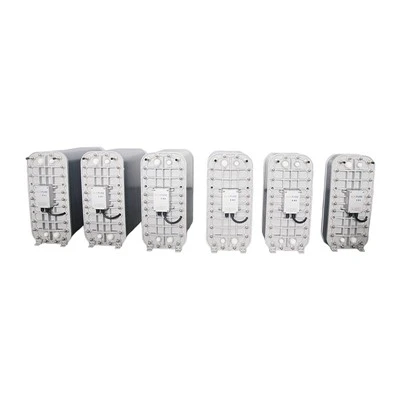
If you’re currently storing new industrial RO membranes and aren’t sure if you’re following the right steps, or if you’re looking to source high-quality membranes with clear storage guidelines, reach out to our team to discuss your specific needs. We work with facilities of all sizes, from small municipal treatment plants to large manufacturing operations, and can help you develop a storage plan that fits your timeline and space. Don’t let poor storage ruin your membrane investment before you even start using it—let’s connect to make sure your RO system runs efficiently for years to come.
High Temperature EDI Module References
International Water Association. (2022). Pre-Installation Storage Best Practices for Reverse Osmosis Membranes. IWA Water Science Series.
American Water Works Association. (2021). Long-Term Performance of RO Membranes Subjected to Pre-Installation Environmental Stressors. AWWA Research Foundation.
Van der Bruggen, B., & Vandecasteele, C. (2020). Effects of Storage Conditions on the Performance of Polyamide RO Membranes. Journal of Membrane Science, vol. 598.
Huamo Group
Fujian Huamo Technology Co., Ltd. is one of the most professional industrial ro membrane manufacturers and suppliers in China, featured by quality products and good service. Please rest assured to wholesale the best industrial ro membrane made in China here and get price list from our factory. Contact us for custom service and OEM service.
Address: No.6 Hengtong Rd, Shanmei Village, Xiamei Town, Nanan City, Fujian Province, China
E-mail: info@huaromembrane.com
WebSite: https://www.hmromembrane.com/
